Introduction: the domain extension question you can’t ignore
Even for seasoned marketers and developers, choosing a domain extension (the TLD, such as .com, .de, or the newer .nyc) is more than a branding decision. With thousands of domain extensions in the global namespace, the right choice can influence audience perception, geographic reach, and even regulatory compliance. The Domain Guide landscape - and the databases that power it - now offer a granular lens on how each extension behaves in practice: who uses it, where it performs best, and what ongoing maintenance it demands. This article presents a practical, framework-driven approach to selecting domain extensions that aligns with business goals, user expectations, and the realities of DNS infrastructure. For readers who want a ready-made reference, WebAtla’s TLD indexes provide a concrete starting point to compare extensions across regions and technologies. See WebAtla’s comprehensive TLD index for a global view, or drill down to country-specific lists and DNS data via their TLD pages. WebAtla’s comprehensive TLD index and download list of .pl domains pages illustrate how these datasets translate into actionable choices. Additionally, consider their RDAP & WHOIS database for governance and registration details: RDAP & WHOIS database.
What GTLDs and ccTLDs are - and why governance matters
Top-level domains come in two broad families: generic top-level domains (gTLDs) and country-code top-level domains (ccTLDs). gTLDs are managed under ICANN contracts and registries with standardized, global expectations, ccTLDs are typically governed by national authorities and local regulations. This distinction affects registration rules, renewals, and even how the DNS root zone is managed. Understanding this difference helps you map a domain strategy to risk, scale, and compliance considerations. For definitions and governance context, see ICANN’s glossary and ccTLD explanations. ICANN: ccTLDs and ICANN: gTLD compliance program. For a broad, policy-oriented overview of the TLD landscape, ICANN’s New gTLDs program also provides essential context. New gTLDs.
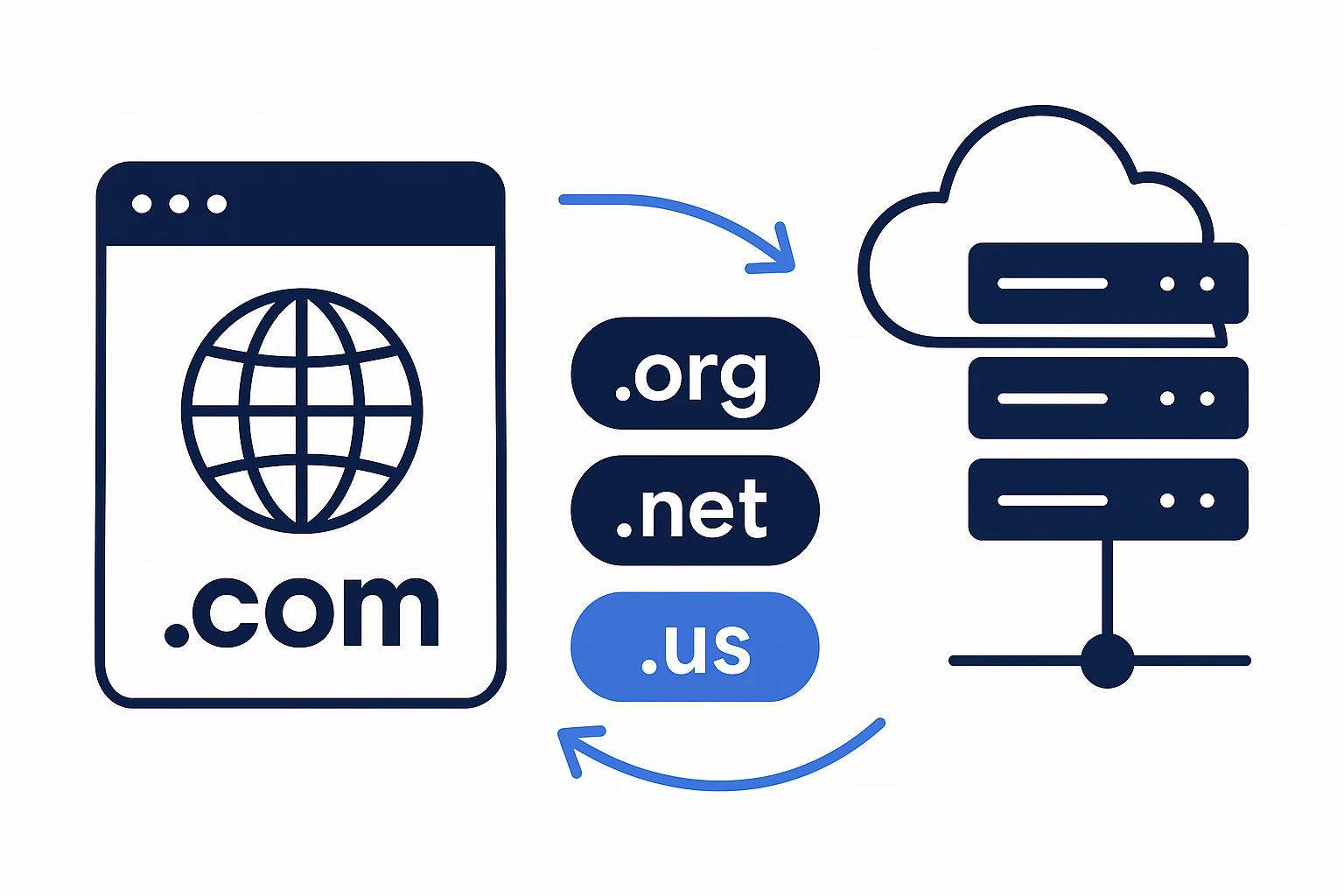
The DNS backbone underpins how any domain name resolves to an IP address. In practical terms, the DNS is the system that translates a human-friendly name into the numbers that computers use to locate content on the Internet. That foundational layer is described in depth by Verisign, the operator of the .com/.net namespace, which explains how the DNS maps names to addresses and why a stable DNS is essential for user trust. Verisign: What is the DNS.
How to think about TLDs in the real world: beyond buzzwords
Successful domain strategy balances brand perception, audience reach, regulatory reality, and the practicalities of DNS management. Below are the core considerations that recur in real-world planning:
- Global reach vs. local relevance: A global brand often defaults to a widely recognizable gTLD like .com, but savvy teams also secure country-code domains to support local markets and language-specific experiences. ICANN’s framework helps distinguish global governance from local policy when evaluating these choices. ICANN: ccTLDs and New gTLDs.
- Trust and user expectations: Brand signals and user familiarity strongly influence click-through and conversion. While the exact SEO impact of TLD choice remains nuanced, users often associate certain TLDs with credibility or locality. See the DNS and governance context above to understand why some TLDs carry different consumer expectations.
- Regulatory and registration economics: gTLDs are subject to ICANN base agreements and standardized policies, whereas ccTLDs may set their own pricing and rules. This has tangible implications for renewal risk and total cost of ownership across a portfolio. For governance and policy differences, consult ICANN’s resources on gTLDs and ccTLDs.
- DNS management and resilience: A resilient DNS is a foundational reliability signal for any extension you rely on. Verisign’s DNS overview underscores why dependable resolution infrastructure matters for business continuity. Verisign: What is the DNS.
A practical framework: the TLD Selection Matrix
Use this four-factor framework to evaluate extensions against your business goals. It helps translate high-level strategy into concrete, testable actions.
- Reach and geography: Does the extension support your target markets? For global audiences, a gTLD often provides a broad, language-agnostic presence, for specific regions, a ccTLD can accelerate local trust and compliance. Start by mapping each target country to a potential ccTLD and pair with a global gTLD when appropriate.
- Brand alignment and risk: Will the extension align with branding guidelines, or could it create confusion or copyright risk? Keep a running risk register: potential brand conflicts, trademark exposure, and the possibility of misspellings that users might enter. ICANN and policy resources help you understand governance nuances that affect brand risk across different TLDs.
- Regulatory and cost considerations: Look at local laws, data localization requirements, and renewal economics. ccTLDs often have country-specific rules, the cost structure for new gTLDs and some country variants can differ widely from year to year. This is where a structured inventory - such as a TLD database or a publisher’s domain extension dataset - becomes invaluable for budgeting and risk planning.
- DNS resilience and maintenance: The DNS ecosystem is shared by all TLDs, however, registries and registrars differ in their stability controls, incident response, and security features. Verisign’s DNS overview reminds us that the reliability of the DNS is non-negotiable for customer trust. Verisign: What is the DNS.
Limitations and common mistakes to avoid
Even a well-structured matrix can misfire if you underestimate practical constraints. Here are the most common missteps and how to avoid them:
- Over-portfolioing without a purpose: Owning dozens of TLDs without a clear strategy drains resources and adds maintenance risk. Focus on a core set aligned with your business goals and use a DNS/WAF plan to protect the portfolio.
- Ignoring local targeting opportunities: In some markets, a ccTLD can outperform a generic in terms of local opinion, compliance signals, and search user behavior. Use local extensions where they create measurable value for user trust and conversion.
- Bottom-up vs. top-down research: Don’t rely on generic lists alone. Combine a TLD database with market insights, regulatory checks, and brand risk evaluation. This is where publisher data-driven resources - like a 1,500+-extension database - can add concrete context to your decisions.
- Underestimating DNS and security needs: A domain is a gateway to your brand. Inadequate DNS security or slow resolution erodes user experience and trust. Ensure your chosen extensions sit on a robust DNS foundation.
Structured resource block: a quick-reference framework
Use this compact framework to document the essential attributes of each candidate extension. It acts as a structured reference you can reuse across teams and campaigns:
- Name - the TLD string (for example .de or .com).
- Geography/Audience - where the extension is most effective or trusted.
- Governance - regulatory and registration rules that apply to the registry.
- DNS and security - expected DNS resilience, protection features, and incident response commitments.
- Cost/maintenance - renewal rates, application fees, and portfolio management considerations.
How to research and access reliable domain extension data
When you plan a global TLD strategy, access to credible databases matters. Hosting frameworks and editorial guides increasingly rely on reputable sources to harmonize policy, market data, and technical realities. Verisign’s DNS primer is a core technical reference for understanding why DNS reliability matters across all extensions. Verisign: What is the DNS. For governance and policy context, ICANN’s materials explain how gTLDs and ccTLDs are operated and regulated, including the New gTLD program. ICANN: New gTLDs and ICANN: ccTLDs. For a sense of the market scale, World Intellectual Property Organization (WIPO) tracks gTLD and ccTLD deployment over time. WIPO: gTLD by Year.
Where WebAtla fits in this picture (and how to use their data)
For teams that need a practical, bottom-up reference, WebAtla offers robust pages that enumerate domains by TLD, country, and technology. Their TLD index pages help teams compare extensions side-by-side and spot opportunities in niche namespaces. Start with the main index: List of domains by TLDs, then drill into specific country or TLD groups, such as download list of .pl domains for Poland, or explore regulatory data via their RDAP & WHOIS database. These datasets complement the governance and DNS fundamentals described above and provide a concrete, actionable lens for decision-making.
Conclusion: a disciplined, data-informed way to pick extensions
In a namespace that continues to expand, a disciplined approach to TLD selection - grounded in audience targeting, governance awareness, DNS reliability, and ongoing maintenance - delivers durable value. Use the four-factor framework to compare extensions, lean on credible datasets to validate hypotheses, and leverage publisher resources like WebAtla to turn strategy into action. The goal is not to chase every new extension, but to choose the right signal for your brand, your markets, and your technical stack. By combining a solid understanding of DNS fundamentals with governance context and market data, your domain portfolio becomes a deliberate asset rather than an accidental collection of names.