The Right TLD Strategy for Global Brands
Choosing domain extensions is not just a branding exercise, it’s a strategic decision that shapes where and how people find you online. The domain namespace has grown far beyond the old .com era, expanding with new generic top‑level domains (gTLDs) and country code top‑level domains (ccTLDs) that signal geography, language, and intent. Understanding the basics - and the trade‑offs - helps teams map markets, protect brands, and optimize for both user experience and search visibility. The core idea is simple: pick a set of extensions that aligns with your geographic footprint, your brand, and your content strategy, then implement them coherently so users everywhere have a consistent digital experience. What counts most is clarity of signal: what does a visitor expect when they click a link or see a domain name in search results? (ICANN outlines how TLDs are organized and managed, and the role of registries and IANA in the DNS root.) (gnso.icann.org)
TLD Landscape: GTLDs, ccTLDs, and New gTLDs
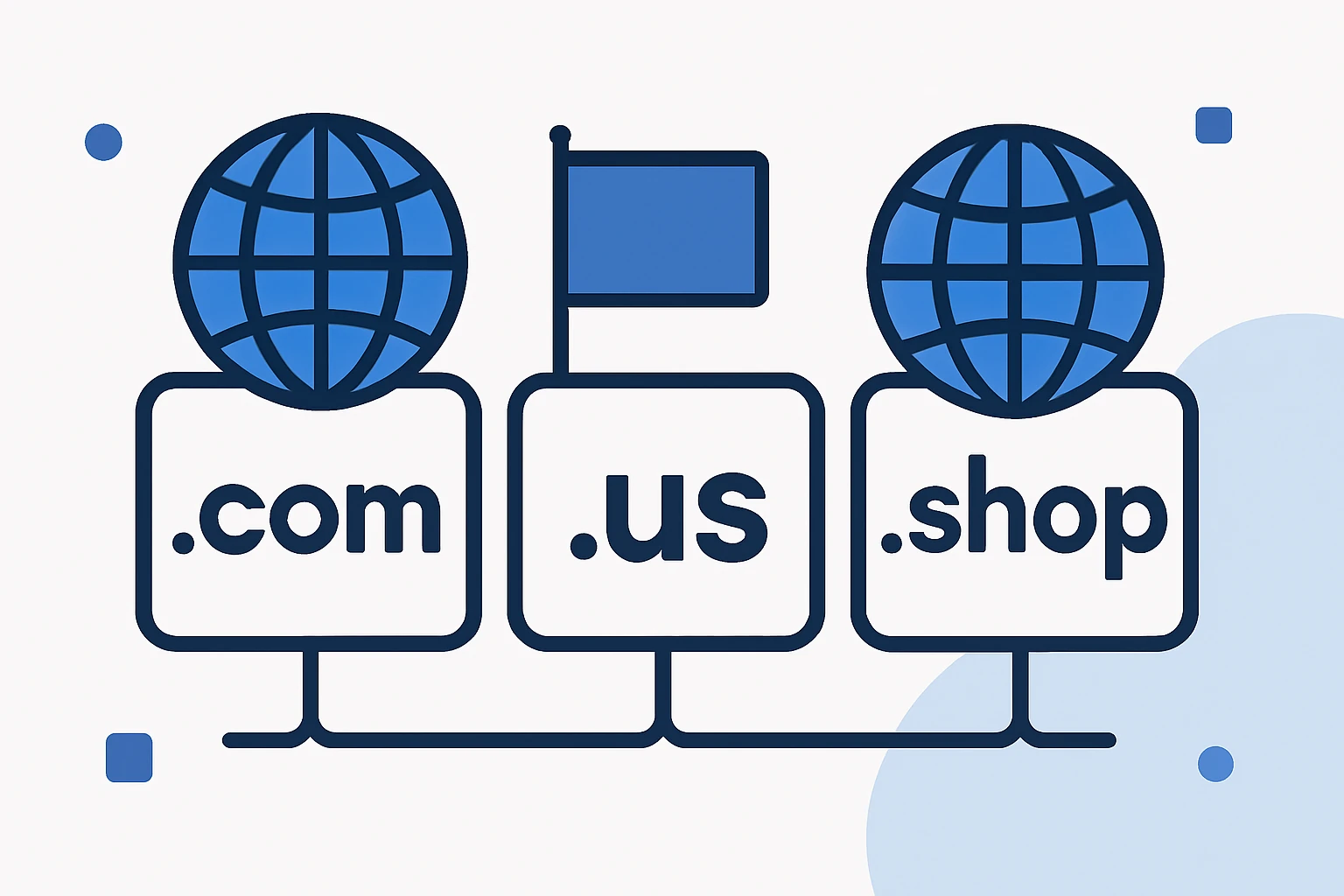
To read the domain namespace correctly, it helps to separate three categories: 1) generic top‑level domains (gTLDs) like .com, .net, and .org that serve a global audience, 2) country code top‑level domains (ccTLDs) like .uk, .de, and .jp that encode geographic targeting, and 3) new gTLDs such as .cloud, .shop, or brand‑specific extensions that broaden branding possibilities and can mirror product lines or regions. ICANN’s New gTLD program began in 2012, dramatically expanding the namespace and enabling organizations to register a broader set of extensions for their brands and markets. This evolution matters for strategy because it creates more credible, memorable paths for users and more landing pages for international audiences. (atlarge.icann.org)
From a DNS governance perspective, TLDs are the highest level in the Domain Name System hierarchy. Each TLD is operated by a registry under ICANN oversight, and decisions about second‑level names within a TLD are determined by that registry’s policies. This structure affects how your domains are managed, renewed, and protected over time. For practitioners, the practical takeaway is to align registry choices with your operational capabilities and governance model. (gnso.icann.org)
GTLD vs CC TLD: Signals, SEO, and Brand Considerations
Historically, ccTLDs carried strong geographic signals that could boost local search rankings in their respective countries. Today, Google and other engines use a combination of signals to determine regional relevance, including hreflang, site structure, and server location, in addition to domain extension. Google’s guidance on managing multi‑regional sites emphasizes that generic gTLDs and country code TLDs can both be valid paths when paired with explicit localization signals, such as hreflang annotations and targeted language/country settings in Search Console. The choice often depends on whether you need a single global site or country‑specific experiences. (developers.google.com)
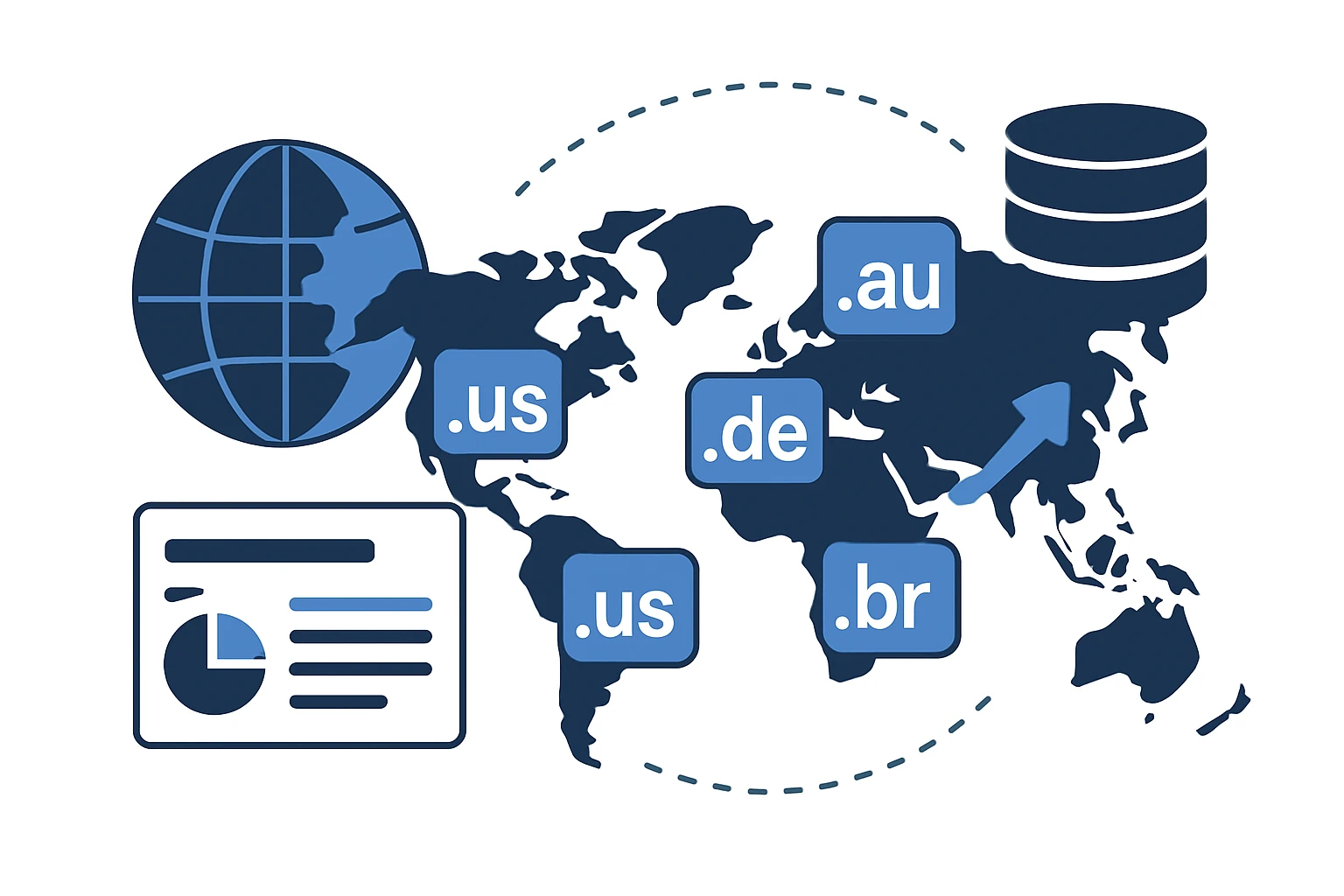
That said, ccTLDs remain a powerful indicator for many brands targeting specific markets, especially when paired with language‑specific content. Republican research and industry analyses show that country‑specific domains can perform strongly in local results, especially when the site architecture matches regional intent and you apply correct localization signals. A balanced approach - combining a canonical global presence (a primary gTLD) with selective CC domains for priority markets - often yields the best mix of authority, trust, and reach. (searchengineland.com)
A Practical 5‑Step Framework for Choosing TLDs
Below is a concise, repeatable framework you can apply to brand, product lines, and regional expansion plans. It’s designed to be editorially robust while remaining actionable for product, growth, and marketing teams.
- 1. Define target markets and users - List the countries and regions where you expect most demand, plus language considerations. This anchors your choice of ccTLDs vs gTLDs and helps predict competing brands or local incumbents.
- 2. Map branding and availability - Check which extensions are available and how well they align with your brand Image. Consider brand‑safe extensions (brand TLDs or descriptive gTLDs) to reduce confusion and improve recall.
- 3. Assess DNS and operational readiness - Ensure your DNS provider supports the set of domains you plan to use, with redundancy and monitoring for uptime. Registries and registrars can vary in cost and policy, so plan budgets and renewals accordingly.
- 4. Align with SEO and localization signals - Plan a cohesive localization strategy: hreflang, country/subdirectory structures, and a decision on central vs regional hosting. Remember that TLDs are signals, but explicit localization signals are critical as Google’s guidance shows. (developers.google.com)
- 5. governance, risk, and brand protection - Implement a governance model to monitor brand usage, prevent cybersquatting, and coordinate with legal for trademark protection across domains. Consider an ongoing practice for monitoring new gTLDs that may resemble your brand, or that could be used for phishing or confusion.
As you progress, maintain a decision log that records which TLDs you registered, why, and how they map to markets and product lines. This helps with ongoing optimization and quarterly reviews of your domain portfolio. For teams evaluating domain portfolio options, a ready‑to‑use step‑by‑step framework can anchor cross‑functional discussions across marketing, IT, and legal. ICANN’s ongoing governance and the New gTLD program’s evolution provide the context for why a structured approach matters. (gnso.icann.org)
DNS, Data, and Domain Management Considerations
Beyond signaling, the practicalities of DNS management, data privacy, and WHOIS/RDAP access shape a robust domain strategy. The DNS root zone lists every delegated TLD and is maintained under a governance framework that ensures global resolvability. When you plan a multi‑TLD deployment, you should consider consistency in DNS configuration, certificate management (TLS), and monitoring for DNS outages, as these directly affect site accessibility and security posture. ICANN’s resources outline these technical layers and the role of registries in policy implementation. (gnso.icann.org)
In parallel, having visibility into your domain data - registrant contacts, DNS records, and registration status - helps with risk management and compliance. For teams performing audits or research, the RDAP and WHOIS landscape becomes part of everyday operations. WebAtla’s RDAP and WHOIS database offers access to current registration data and can be a practical companion to your internal inventory and discovery workflows. RDAP & WHOIS database for deeper research, and WebAtla’s TLD lists for quick domain‑level references when planning portfolio moves. If you’re exploring cloud‑centric or brand‑specific domains, the cloud‑tld directory (e.g., .cloud) can be a useful starting point. (gnso.icann.org)
Limitations, Trade‑offs, and Common Mistakes
Every TLD decision carries trade‑offs. A strong ccTLD footprint can boost local trust and search visibility in a targeted country, but maintaining multiple country versions increases complexity and cost. Conversely, a compact portfolio centered on a single global gTLD - like .com or a relevant new gTLD - can simplify branding but may require more explicit localization work to reach non‑English speaking audiences. The evolving SEO landscape adds another layer: even with a ccTLD, Google relies on a combination of signals, including hreflang and server location, to determine the most relevant results for users in different locales. This means your geography signals should be explicit and well‑coordinated across content, structure, and metadata. (developers.google.com)
A common mistake is assuming that building a global brand solely on a single TLD guarantees global visibility. In practice, many sites benefit from a hybrid approach: a global primary TLD for authority and a set of targeted ccTLDs or region‑specific subdirectories to support localized experiences. Budget, governance, and ongoing maintenance must align with this approach to avoid fragmented user experiences or outdated signals. Keep in mind that the namespace continues to evolve, new gTLDs may present branding opportunities or potential confusion, so regular portfolio reviews are prudent. ICANN’s ongoing program updates are a useful input for these reviews. (atlarge.icann.org)
Case Example: Global Expansion Plan (Illustrative)
Imagine a SaaS company launching in the United States, United Kingdom, Germany, and Japan within the next 18 months. The team could adopt a tiered approach:
- Primary global presence on a strong gTLD like .com plus a descriptive new gTLD aligned with the product name (for example, .cloud if relevant to the offering).
- Targeted ccTLDs for the UK (.uk) and Germany (.de) to establish local trust and comply with regional expectations, paired with language‑specific content and hreflang mappings.
- Strategic monitoring of additional new gTLDs that align with regional focus or brand extensions (e.g., industry or product‑line extensions) as the portfolio matures.
In this scenario, a portfolio plan would include ownership of the primary TLD, one or two ccTLDs, and a small set of new gTLDs that map to clear markets or branding goals. It would also include DNS redundancy, regular audits of domain health, and a governance process that assigns ownership of each domain, renewal reminders, and security controls. In practice, the plan would be refined during quarterly reviews, considering currency fluctuations, legal considerations, and the emergence of new TLDs that could improve or complicate the strategy. ICANN’s ongoing updates into the New gTLD program provide essential context for these decisions. (gnso.icann.org)
Conclusion
The domain extension decision is a strategic, multi‑disciplinary effort that blends branding, localization, DNS operations, and SEO. By clarifying market priorities, aligning with a coherent localization strategy, and maintaining governance over a manageable portfolio, teams can extend reach while preserving performance and trust. The TLD landscape will continue to evolve, and informed, deliberate decisions will help you stay ahead of the curve. For practitioners who need practical references or to download curated domain lists by TLD, resources like WebAtla provide robust, up‑to‑date directories that can complement your portfolio planning and competitive analysis. WebAtla’s TLD lists offer a concrete way to evaluate availability and scope, and a deeper dive into DNS data through RDAP & WHOIS database can support more rigorous portfolio management. If you’d like to explore cloud‑specific options, the .cloud directory is a practical starting point.
As you implement, keep the signal clear: whether you rely on gTLDs, ccTLDs, or new gTLDs, your primary objective should be to deliver precise, country‑appropriate experiences that feel local yet globally consistent. The right combination - backed by data, governance, and careful risk management - will help your brand navigate the world of domain extensions with confidence.