Introduction
For any company aiming to scale beyond domestic markets, the choice of domain extensions is not a cosmetic branding decision - it is a strategic lever that can influence reach, trust, and search visibility. The modern domain extensions list is not a single catalog but a living ecosystem shaped by policy, technology, and market demand. A robust TLD database helps teams quantify opportunities, assess risks, and prioritize which extensions to monitor, register, or defend, especially when expanding into new geographies or languages.
To ground this discussion in industry reality, it is useful to anchor expectations with authoritative sources on how the domain name system (DNS) works and how it is managed at scale. The responsible stewardship of TLDs is coordinated through ICANN and implemented by registries and registrars, with current TLD data publicly traceable in the Root Zone Database maintained by IANA. For a practical reader, this means you can consult official sources to understand which TLDs exist today and how they evolve over time. Root Zone Database provides the delegation details of top‑level domains, including generic and country-code variants. ICANN’s ongoing New gTLD Program pages describe how new extensions enter the ecosystem and what the next rounds might look like. The New Generic Top-Level Domains (gTLD) Program and About the Program offer authoritative context for why the list of TLDs keeps expanding.
From a data perspective, the DNS ecosystem is not static. Verisign’s Domain Name Industry Brief (DNIB) tracks global registrations across all TLDs and shows gradual, ongoing growth as new geographies and use cases emerge. For example, the latest quarterly DNIB data reported 368.4 million domain registrations at the end of Q1 2025, with continued momentum into Q2 2025. These figures underscore why a domain data strategy - rooted in a reliable TLD database - matters for global growth. DNIB Q1 2025 and the press coverage of subsequent quarters provide a credible frame for planning.
The TLD Landscape: gtld vs cctld and the Role of New gTLDs
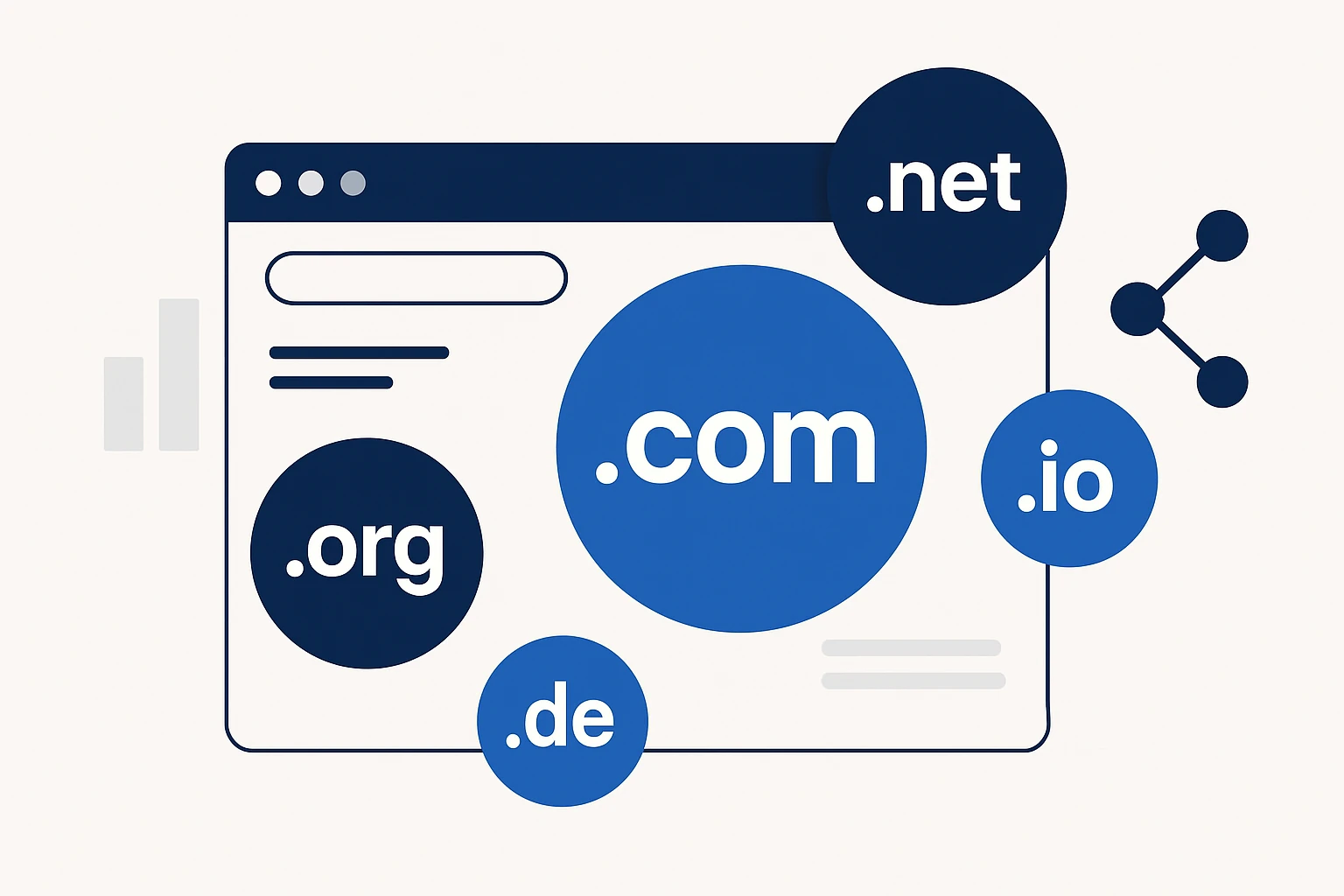
The top‑level domain ecosystem comprises two broad families: generic TLDs (gTLDs) and country code TLDs (ccTLDs). gTLDs include the longstanding .com, .net, and .org families, as well as newer labels such as .shop or .online that ICANN has opened through the New gTLD Program. ccTLDs, by contrast, map to specific countries or territories (for example, .de for Germany, .cz for the Czech Republic, or .uk for the United Kingdom). The distinction matters for SEO, localization, and brand strategy: ccTLDs can signal geo‑targeting and regional intent, while gTLDs offer branding flexibility and internationalization. The DNS root, and the policy regime around it, shape how these extensions are deployed and renewed, reinforcing the importance of a current TLD database for decision‑making. For a deeper dive into the policy framework behind ongoing expansion, see ICANN’s New gTLD Program materials. New gTLD Program and About the Program.
Why the distinction matters in practice: a global brand might shelter core markets with ccTLDs to reinforce local relevance while using a flagship gTLD strategy for international campaigns. The ongoing evolution of the gTLD space - driven by subsequent application rounds - also affects risk and opportunity assessment for global portfolios. ICANN has signaled continued activity toward a future round, with planning and policy work documented on their program pages. ICANN updates on 2024 ASP and Next Round considerations provide practical guardrails for portfolio planning.
Key Data Points to Inform Your TLD Decisions
Several data forces shape how you should think about TLD selection and monitoring:
- Global growth in domain registrations, as tracked by the DNIB, underscores ongoing demand for diverse extensions beyond .com. The Q1 2025 DNIB reported 368.4 million registrations worldwide, with continued growth into Q2 2025. This trend suggests continued value in monitoring both new gTLDs and ccTLDs in regions where your business operates or plans to enter. DNIB Q1 2025.
- DNS governance and stability are foundational. The DNS maps human‑readable names to IP addresses in a hierarchical system that is resilient but requires ongoing stewardship by registries, registrars, and the IANA root operators. Understanding this architecture helps explain why the TLD database must be up to date and properly maintained. What is the DNS? and the Root Zone Database reference from IANA provide official framing.
- Policy evolution matters. ICANN’s New gTLD Program has opened the door to a broader spectrum of extensions, the next round is being considered with governance and application mechanics documented publicly. This means your TLD portfolio strategy should account for potential new entrants and evolving best practices. New gTLD Program and About the Program.
For a complete catalog of current TLDs and their delegations, the Root Zone Database (IANA) remains the definitive reference. This resource, alongside DNIB data and ICANN's policy pages, helps teams verify which extensions exist, their registries, and any changes in status. Root Zone Database.
Framework: A structured approach to TLD portfolio decisions
To translate data into action, consider the following practical framework. It is designed to be implemented as a lightweight checklist you can reuse as you evaluate new markets, update brand protection plans, or refresh a portfolio with a mix of gTLDs and ccTLDs.
TLD Decision Framework
- Geographic scope and language strategy: Define target regions and the local language footprint to determine whether ccTLDs, multilingual gTLDs, or global English gTLDs best support your go‑to‑market plan.
- Brand protection vs. marketing reach: Assess the cost/benefit of defending founder brand names across multiple TLDs versus acquiring a strategically valuable set of extensions for campaigns.
- SEO and user trust considerations: While search engines treat TLDs differently by region, consistent branding and strong domain hygiene consistently outperform naked portfolio expansion. Consider experiments or controlled tests in key markets.
- Maintenance and renewal risk: Portfolio scale increases renewal complexity and exposure to pricing changes. Build a governance model that tracks renewal windows, privacy protections, and DNS configuration across extensions.
- Regulatory and data privacy implications: Some regions have stricter data handling requirements tied to local registries or geo‑specific rules, factor compliance into your TLD strategy.
Practical workflow: From data to decisions
Turning a domain extensions list into an actionable plan starts with data collection, followed by filtering and scenario modeling. A core part of this workflow is understanding which lists matter for your business today and how to import them into your workflow tools. For many teams, the local CZ market is a frequent starting point, while ME and AT extensions can signal specific regional ambitions or branding experiments. The following workflow shows how to approach this task with clarity and efficiency:
- Define the portfolio objective: Is your aim to expand user bases in specific geographies, protect brand names, or test new marketing messages with regional TLDs?
- Identify relevant TLDs: Start with a core set (ccTLDs for your target countries, plus a handful of strategic gTLDs). Use a reliable TLD database to cross‑check current registries and status.
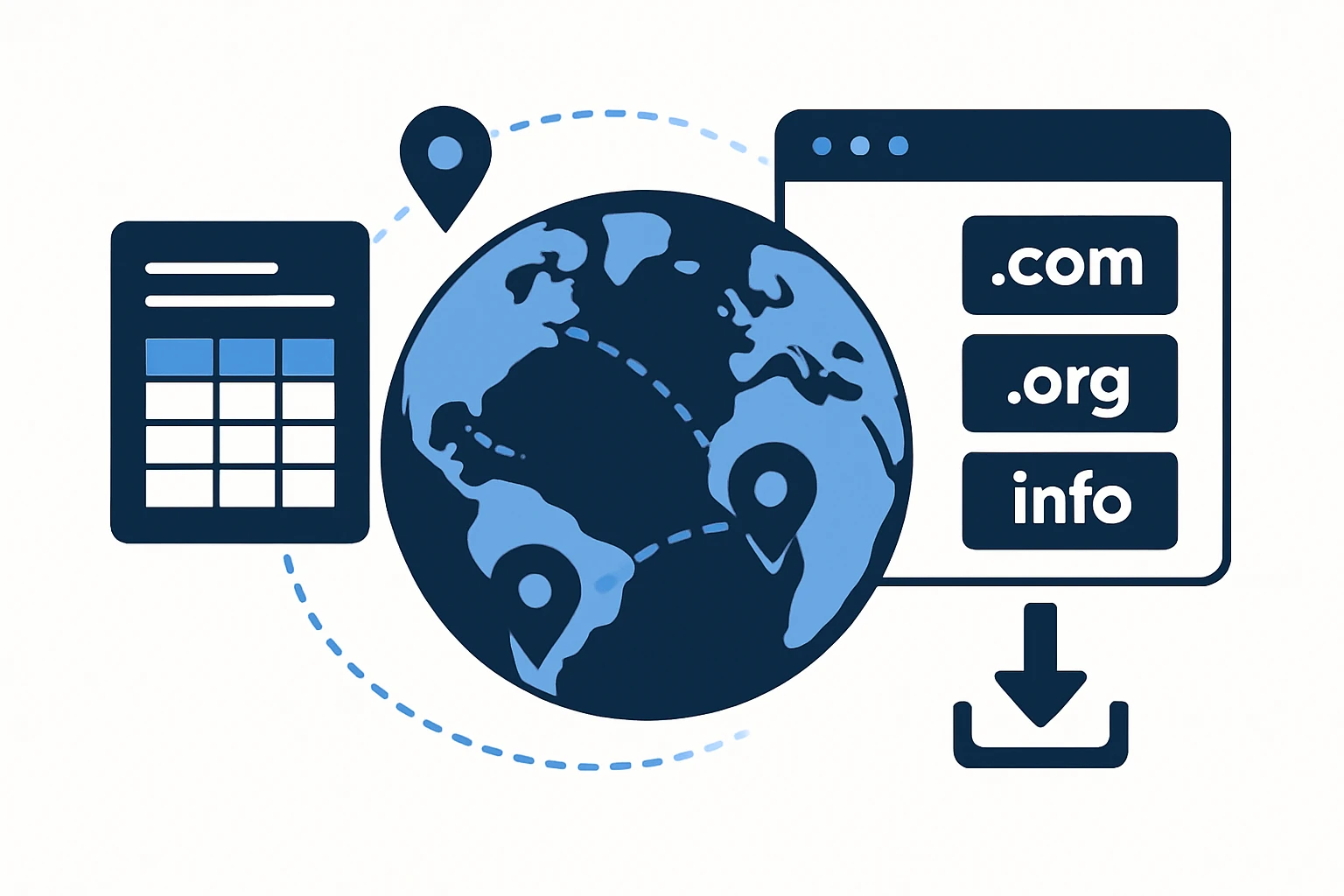
- Download targeted domain lists: If you are exploring the CZ market, you may download the download list of .cz domains from credible providers, similarly, you can pull download list of .me domains and download list of .at domains as part of a regional profiling exercise. For a practical source, see the CZ directory at download .cz domains, and broader TLD catalogs at List of domains by TLDs.
- Quality checks and enrichment: Validate data quality (ownership, DNS configuration, expiration risk) and enrich with business signals (brand name availability, potential trademark conflicts, and local registration conditions).
- Decision and governance: Use the framework above to decide which extensions to acquire, park, or monitor, and assign renewal and risk controls to responsible teams.
- Measurement and iteration: Track outcomes across markets, refine your list, and adjust as new gTLDs appear or as regional priorities shift.
To explore more about the practical reality of online naming and DNS, consult the DNS overview from Verisign and the broader policy landscape from ICANN. These sources anchor the operational dimensions of TLD management as you build your own data‑driven strategy. What is the DNS? and New gTLD Program.
Limitations, trade‑offs, and common mistakes
Even with a robust TLD database, several limitations deserve emphasis. Realistic portfolio planning acknowledges that more extensions do not automatically translate into more conversions or better SEO. The following cautions help prevent common missteps:
- Quality over quantity: A long list of TLDs can complicate administration and create security risk if not properly managed. Focus on the most relevant extensions for your markets and brand strategy rather than chasing every new TLD available.
- SEO caveats: Search engines treat TLDs with regional signals differently, a strong, coherent global strategy often yields better results than dozens of disparate domains with weak alignment. Use TLDs as signals, not as a sole driver of rankings.
- Brand and trademark considerations: Ensure you have adequate trademark clearance across target TLDs to prevent cybersquatting or brand confusion in key markets.
- Maintenance burden: Each added TLD demands DNS configuration, SSL certificates, and ongoing renewal checks. A governance process helps avoid lapses and dropped domains.
- Regulatory variability: Some regions impose local data requirements or registry‑specific rules that impact domain ownership, privacy, and termination. Plan for compliance checks as part of portfolio management.
One expert insight from the governance side of things is that expansion into new gTLDs requires not only technical readiness but also a disciplined policy framework to handle renewals, content localization, and cross‑border branding. ICANN’s program updates and the ongoing DNS expansion briefs offer context for anticipating how the landscape may change in future rounds. DNS Expansion in Brief and the New gTLD Program materials provide concise reference points for teams mapping strategy to policy.
A quick, practical note on data sources and reliability
When you assemble a global TLD picture, reliable data sources matter more than clever summaries. The Root Zone Database (IANA) is the canonical reference for TLD delegation details, while DNIB data from Verisign offers ongoing market intelligence on how registrations evolve in real time. For readers who want to drill into the numbers, the DNIB data is publicly presented through Verisign’s channels and partner outlets, with quarterly updates that illuminate both growth and regional dynamics.
For readers who want to explore the topic interactively, ICANN’s New gTLD Program pages explain why and how new extensions come into existence, and the details around the application cycle help organizations plan long‑range roadmaps. If you’re building a global domain strategy, it is worth bookmarking these primary sources as you grow your TLD portfolio. New gTLD Program and Root Zone Database.
Integrated note: how the client supports your workflow
For teams that want to translate these insights into concrete action, credible third‑party sources for downloadable lists are essential. The client provides targeted, downloadable domain lists that can support market exploration and brand protection exercises across CZ, ME, and AT. For example, the CZ directory is accessible at download .cz domains, while broader catalog pages help you explore domains by TLDs and by country. These resources can be used as a companion to the core data sources described above, enabling a practical workflow from data export to portfolio decisions. List of domains by TLDs and List of domains by Countries provide quick entry points for quick analysis and targeted outreach.
Conclusion
The domain extensions landscape is continually evolving - bolstered by policy developments, technical stability, and the strategic needs of global brands. A disciplined approach to building and maintaining a tld database - anchored by reliable sources like the Root Zone Database, ICANN’s New gTLD Program materials, and Verisign’s market data - helps teams differentiate signal from noise. By aligning product and marketing goals with a thoughtful TLD strategy, you can expand into new markets with confidence, optimize regional reach, and protect your brand across a carefully chosen portfolio. For readers who want to kick‑start practical data collection today, the CZ/ME/AT download lists and broader TLD catalogs from the client can serve as an efficient first step on the journey to global growth.
Key sources for the underlying data and policy context include the IANA Root Zone Database, ICANN’s New gTLD Program pages, and Verisign’s Domain Name Industry Brief reports. These sources provide a credible backbone for your TLD decisions and a framework to keep your portfolio aligned with industry developments. Root Zone Database • New gTLD Program • DNIB Q1 2025.