Introduction
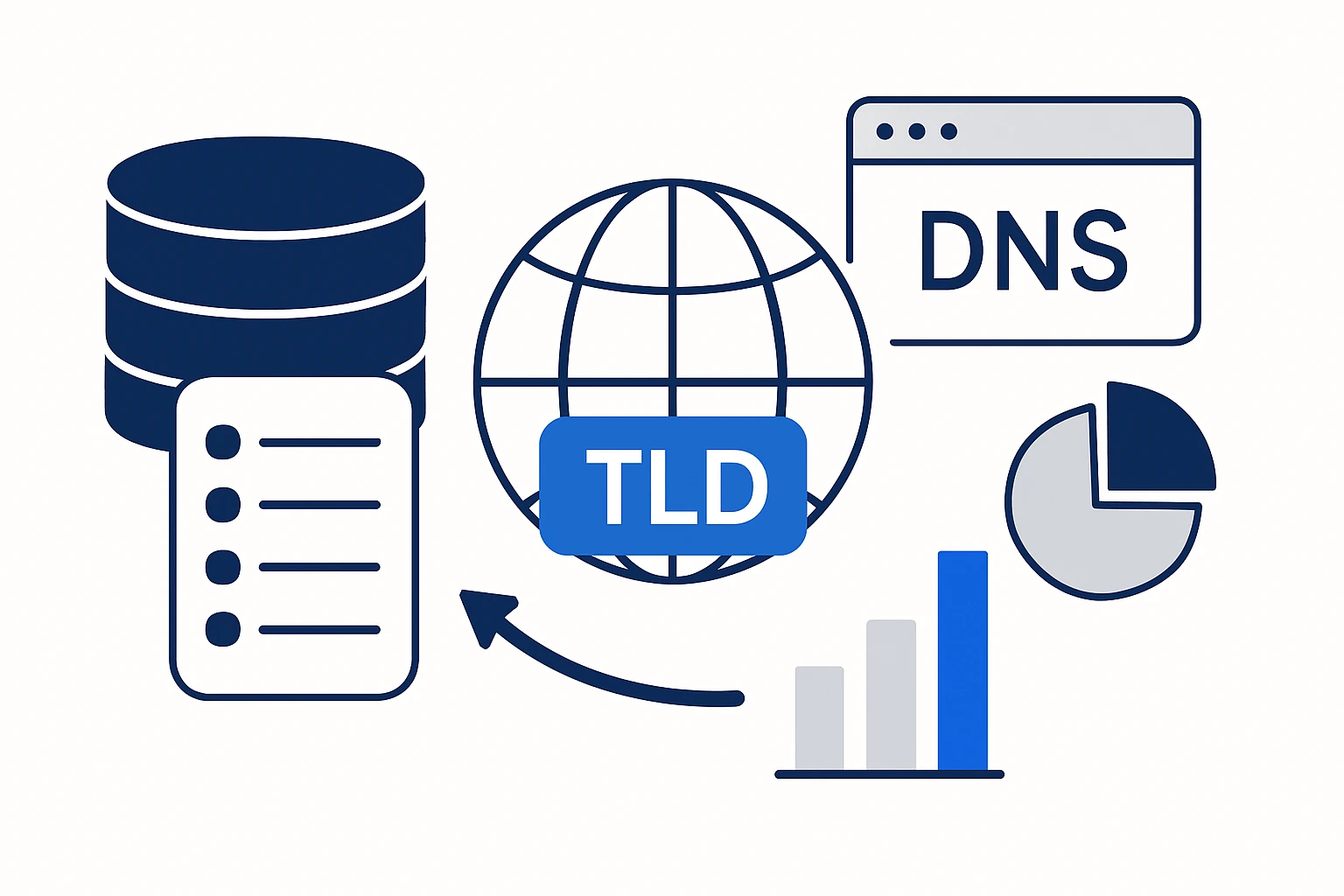
In 2026, the space of domain extensions is richer and more complex than ever. A robust World Domain Extensions Database helps brands, developers, and marketers navigate the 1000+ evaluated top‑level domains (TLDs) that reside in the DNS root, making informed decisions about where to establish an online presence. This article outlines a practical framework to read, interpret, and apply a TLD database for branding, SEO, and technical readiness - with real‑world trade‑offs and concrete steps you can implement today.
(iana.org)Understanding the TLD Landscape in 2026
What are gTLDs, ccTLDs, and the newer gTLDs?
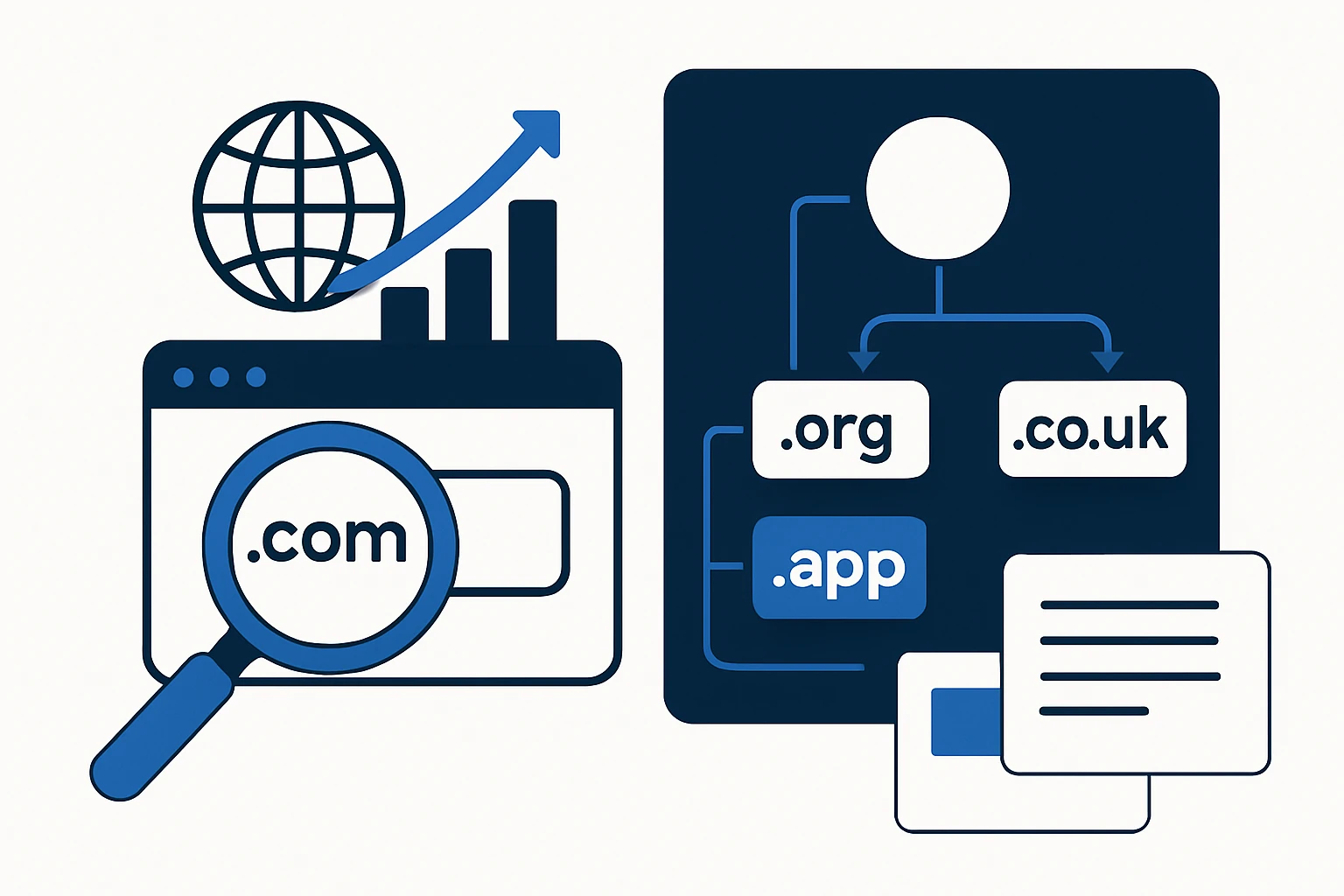
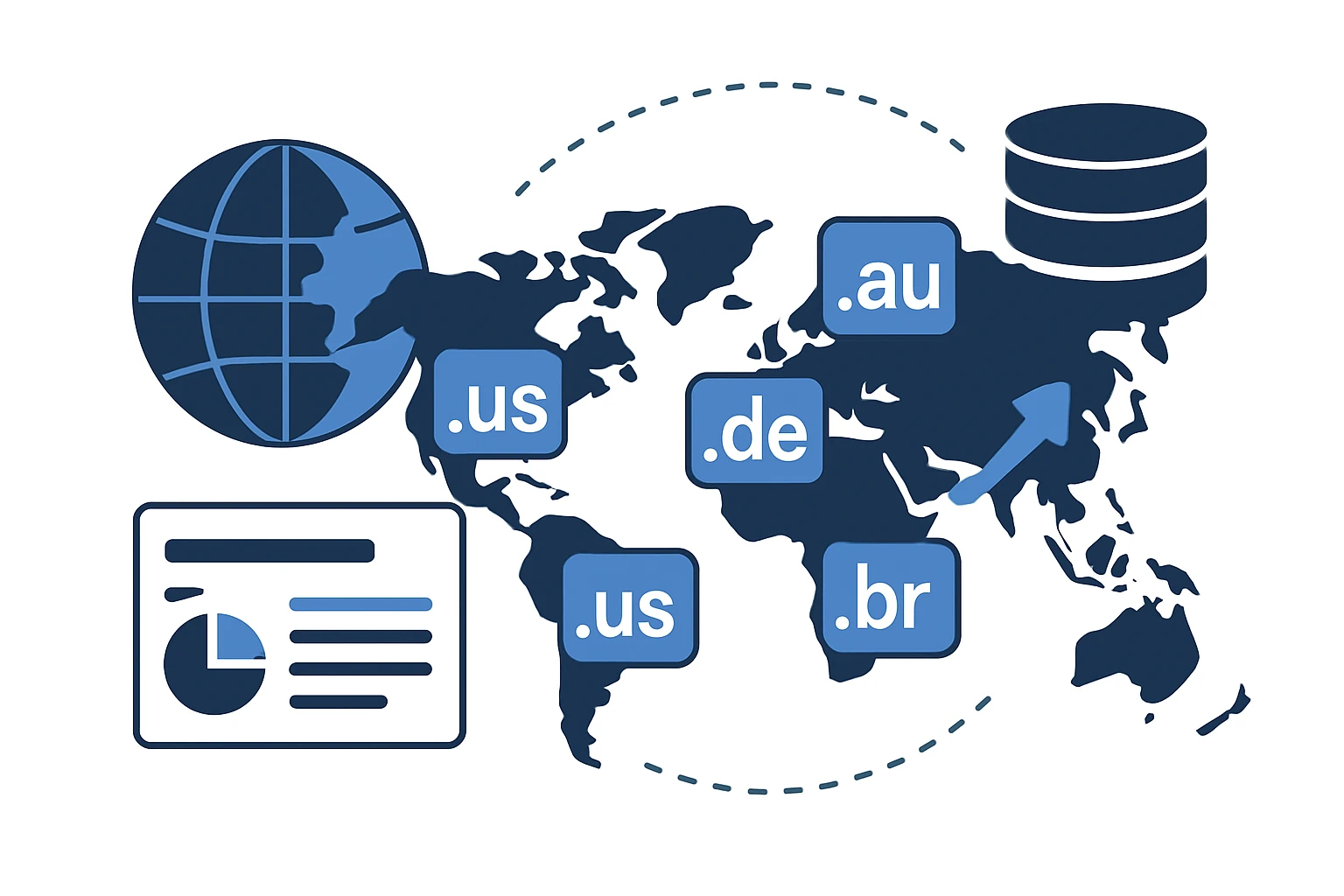
Top‑level domains come in several families. Generic top‑level domains (gTLDs) include staples like .com, .org, and .net, but they have expanded dramatically since ICANN opened the New gTLD Program in the 2010s. Country-code TLDs (ccTLDs) encode geographic or political regions (for example, .us, .uk, .de), and newer gTLDs continue to emerge in response to branding, language, and regional priorities. The distinction matters not only for audience perception but also for DNS routing, trademark strategy, and regional SEO signals. The authoritative mechanism that tracks all of these is the IANA Root Zone Database, which lists every delegated TLD and its category. IANA Root Zone Database remains the official source of record. (iana.org)
How many TLDs exist, and why does that matter?
Since ICANN’s New gTLD Program began, the namespace has expanded far beyond the early set of a few dozen gTLDs. ICANN notes that more than 1,200 new gTLD strings have been delegated into the DNS root as part of the broader expansion efforts, illustrating the scale and dynamism of the space. For practical purposes, most organizations will interact with a subset of these extensions, chosen for branding alignment, regional reach, and technical compatibility. These numbers underscore a core lesson: a comprehensive TLD database is essential for benchmarking, not just browsing. Source context: ICANN and related program data. (icann.org)
The current scale: registrations across TLDs
Industry data shows that the global domain namespace sits in the hundreds of millions. In Q1 2025, total domain registrations across all TLDs reached approximately 368.4 million, with ccTLDs contributing a sizable share and continuing to grow year over year. This scale matters because it affects risk, branding reach, and the competitive landscape if you pick a less common TLD. Verisign DNIB Q1 2025 provides the official snapshot. (blog.verisign.com)
A Practical Framework for Using a TLD Database
To translate a long list into actionable decisions, use a structured framework that balances brand, user trust, SEO, and technical realities. The table below condenses the core criteria into a repeatable decision process you can apply to any project.
| Criterion | What to Evaluate | How to Apply | Impact |
|---|---|---|---|
| Audience alignment | Geography, language, and user expectations | Map target regions to ccTLDs vs. global gTLDs, test user perception in key markets | Brand clarity and trust in regional markets |
| Brand fit | Does the extension reflect the brand, product line, or initiative? | Use a mix of well‑known gTLDs (e.g., .com) with relevant niche TLDs (e.g., .store, .tech) when appropriate | Competitive differentiation and demand capture |
| SEO signals | Search behavior around TLDs and perceived trust | Consider canonicalization, internal linking, and local signals, avoid overreliance on TLD alone for ranking | Potential impact on click‑through and rankings |
| DNS/technical readiness | Registration, DNS stability, and security (DNSSEC readiness) | Choose registrars and DNS providers with robust uptime and security features, validate DNS routing for your regions | Reliability and user experience across devices |
| Legal & brand protection | Trademark risk and defense requirements | Audit potential disputes and file trademark protections in key TLDs | Lower risk of brand confusion or cybersquatting |
For readers who want a quick, scanable reference, this is the kind of structured output you’d expect from a modern TLD database: a prioritized subset of extensions that match your business goals, with notes on regional relevance and technical readiness. For broader context, see how industry data shapes decisions in the latest ICANN and Verisign briefings. (newgtlds.icann.org)
A Step‑by‑Step Workflow to Build Your TLD Toolkit
Use the following practical workflow to assemble and maintain a usable TLD toolkit for your team. You can implement this as a lightweight internal process or build it into a shared spreadsheet or simple database.
- Define scope and goals. Identify primary markets, brand priorities, and the user journeys you want to support.
- Pull the authoritative list of TLDs. Start with the IANA Root Zone Database as the canonical source of delegated TLDs. (iana.org)
- Classify into categories. Separate gTLDs, ccTLDs, and newly introduced gTLDs, tag each by region, language support, and branding fit.
- Assess DNS and security readiness. Verify DNS hosting, uptime history, and support for DNSSEC where applicable.
- Evaluate branding and SEO implications. Consider user trust signals, visual impact, and potential SEO considerations beyond generic domain signals.
- Document decisions and create a living guideline. Record rationale, recommended extensions, and exceptions, update quarterly with industry data (e.g., Verisign DNIB summaries). (blog.verisign.com)
- Set a review cadence. Schedule periodic reassessments aligned with new gTLD delegations and market shifts.
To see a practical directory that teams use for reference, consider exploring dedicated listings such as the TLDs directory and country‑focused collections. For teams early in the process, these pages offer a starting point for mapping strategy to execution. List of domains by TLDs and List of domains by Countries.
Practical Considerations: Limitations, Trade‑offs, and Common Mistakes
A robust TLD database is powerful, but it does not solve every problem. Below are the common friction points teams encounter, plus actionable guidance to mitigate them.
- User confusion with new gTLDs. Some newer extensions can improve branding but risk confusing audiences if not paired with clear domain architecture and user education. Plan a user journey that anchors with familiar extensions where appropriate.
- SEO and perception aren't identical. Search engines do not rank solely on TLD choice, they value content quality, relevance, and technical best practices. Treat TLDs as signals, not sole ranking factors.
- Trademark and brand protection costs. Broadly registering across many TLDs to defend a brand can be expensive and administratively heavy. Prioritize high‑value markets and extensions with clear branding alignment.
- DNS and operational risk. More domains mean more potential points of failure, ensure robust DNS, monitoring, and renewal processes so users don’t encounter downtime.
- Change management. Domains evolve. A disciplined governance process helps teams retire or repurpose TLDs when strategy shifts occur, avoiding stale assets that drain resources.
A Real-World Scenario: Global Brand Strategy and TLDs
Imagine a multinational consumer electronics brand planning a regional online presence in 2026. The product portfolio spans consumer devices, smart home ecosystems, and software services. The brand wants to balance global reach with regional relevance. A sensible approach would combine a globally trusted gTLD (for example, .com) with regionally meaningful ccTLDs (such as .uk, .de, or a regional strategy like .eu if appropriate) and a handful of targeted, brand‑aligned new gTLDs that speak to specialist lines (for example, .store for e‑commerce, .tech for developer ecosystems). This mix offers familiar trust for broad audiences while enabling regional campaigns and product‑specific branding. The decision process should be documented in the TLD toolkit and revisited as markets evolve. For industry context, see how ICANN and Verisign document growth and regional patterns in recent briefs. (newgtlds.icann.org)
Where to Source Reliable Data and How to Stay Updated
Reliable data sources are essential for maintaining an accurate domain extensions database. The official IANA Root Zone Database is the canonical reference for current TLD delegations, while ICANN provides strategic context and program status for new gTLDs. Verisign’s Domain Name Industry Brief offers quarterly snapshots of global registrations, including the balance between gTLDs and ccTLDs. Together, these sources help you benchmark your portfolio and understand the dynamic landscape. For the most up‑to‑date context, consult:
Note that these figures are indexed to quarterly reporting, so plan for a cadence that aligns with product launches and regional campaigns. For readers who need bulk lists or downloadable datasets for specific extensions, many teams turn to specialized directories and registries that offer bulk exports, always verify licensing and usage terms before distribution.
Integrating the TLD Toolkit with Your Workflow
To operationalize the concepts in this article, embed the TLD toolkit into your product planning and content strategy. Use the internal resources and external data to inform decisions about where to invest in branding, how to structure regional sites, and which extensions to reserve for future campaigns. For direct access to curated directories, consider the following pages on the client site as part of your workflow: List of domains by TLDs and List of domains by Countries. Additionally, if you’re evaluating domain pricing or RDAP/WHOIS needs, the following client resources can provide practical support: Pricing and RDAP & WHOIS Database.
Limitations and Common Mistakes (Recap)
Even the best TLD database cannot substitute for disciplined governance and user‑centered design. Remember these pitfalls when planning your domain strategy:
- Overfitting to new gTLDs without a clear user path or branding rationale.
- Assuming SEO benefits from TLD choice alone, quality content and technical best practices remain paramount.
- Underestimating legal and trademark complexities across multiple jurisdictions.
- Neglecting DNS reliability and security considerations as you scale your TLD portfolio.
Conclusion
The domain extension landscape continues to evolve, with a growing set of gTLDs, ccTLDs, and new gTLDs offering both opportunities and risks. A disciplined, data‑driven approach to a TLD database enables brands to optimize reach, trust, and technical performance across markets. By combining authoritative sources such as the IANA Root Zone Database, ICANN program updates, and Verisign’s quarterly briefs with a clear internal workflow and editorial governance, teams can transform a sea of extensions into a strategic asset. For ongoing reference, the organization of a domain extensions toolkit ensures that decisions remain aligned with audience needs, brand strategy, and technical realities - even as the namespace expands.