Introduction: Why domain extensions matter in a global strategy
When a business or publisher scales beyond its home market, the choice of domain extensions becomes a strategic signal about reach, trust, and localization. A well-planned mix of gTLDs, ccTLDs, and, where appropriate, new gTLDs can improve local relevance, support regional marketing, and influence user perception. This article offers a practical framework for understanding the world of domain extensions, how to download and leverage extension lists, and how to integrate these choices into a coherent global strategy. For readers who want to explore specific country or TLD inventories, you can start with the publisher’s TLD index or drill into country and technology-driven lists via our TLD directory, including AE (.ae) inventories and more.
Understanding domain extensions: what the major categories mean
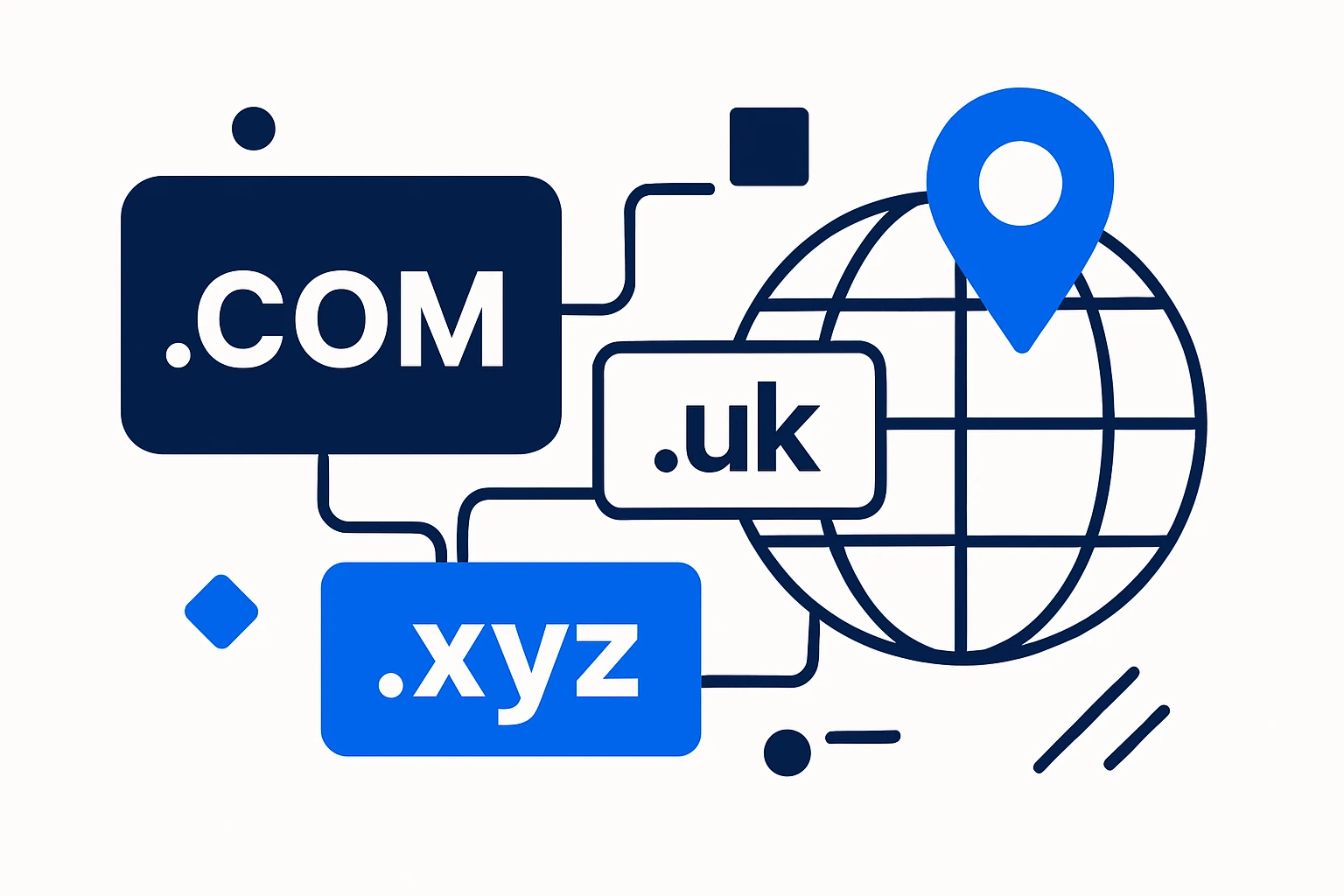
Top-level domains (TLDs) are the highest level of the DNS namespace and come in three broad families that inform strategy, risk, and user expectations.
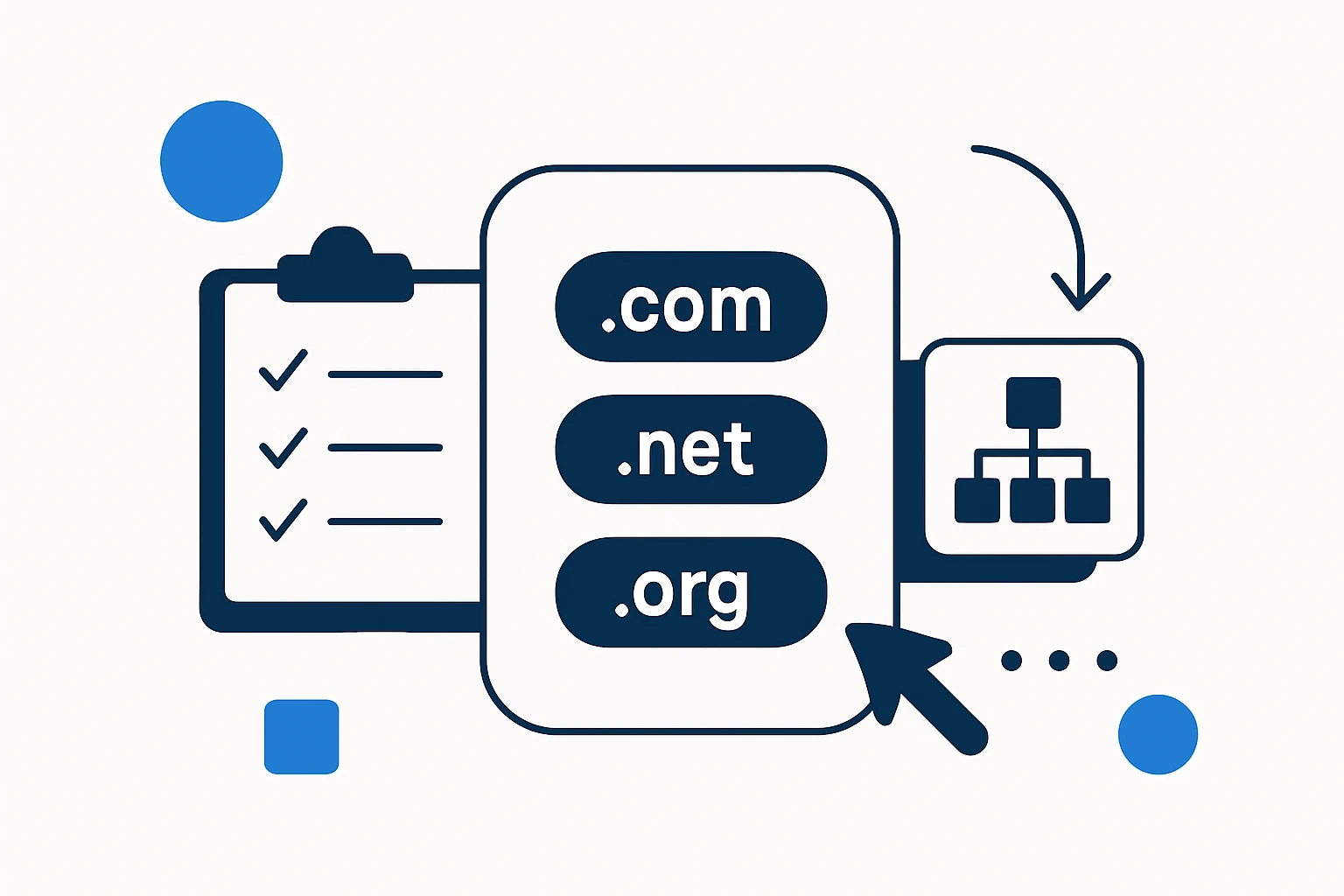
- gTLDs (generic top-level domains) are intended for broad use and brand strategy, with examples like .com, .net, and the growing set of branded or product-specific extensions such as .shop or .app. gTLDs are widely recognized by users in many markets, but regional trust can vary by audience and local context.
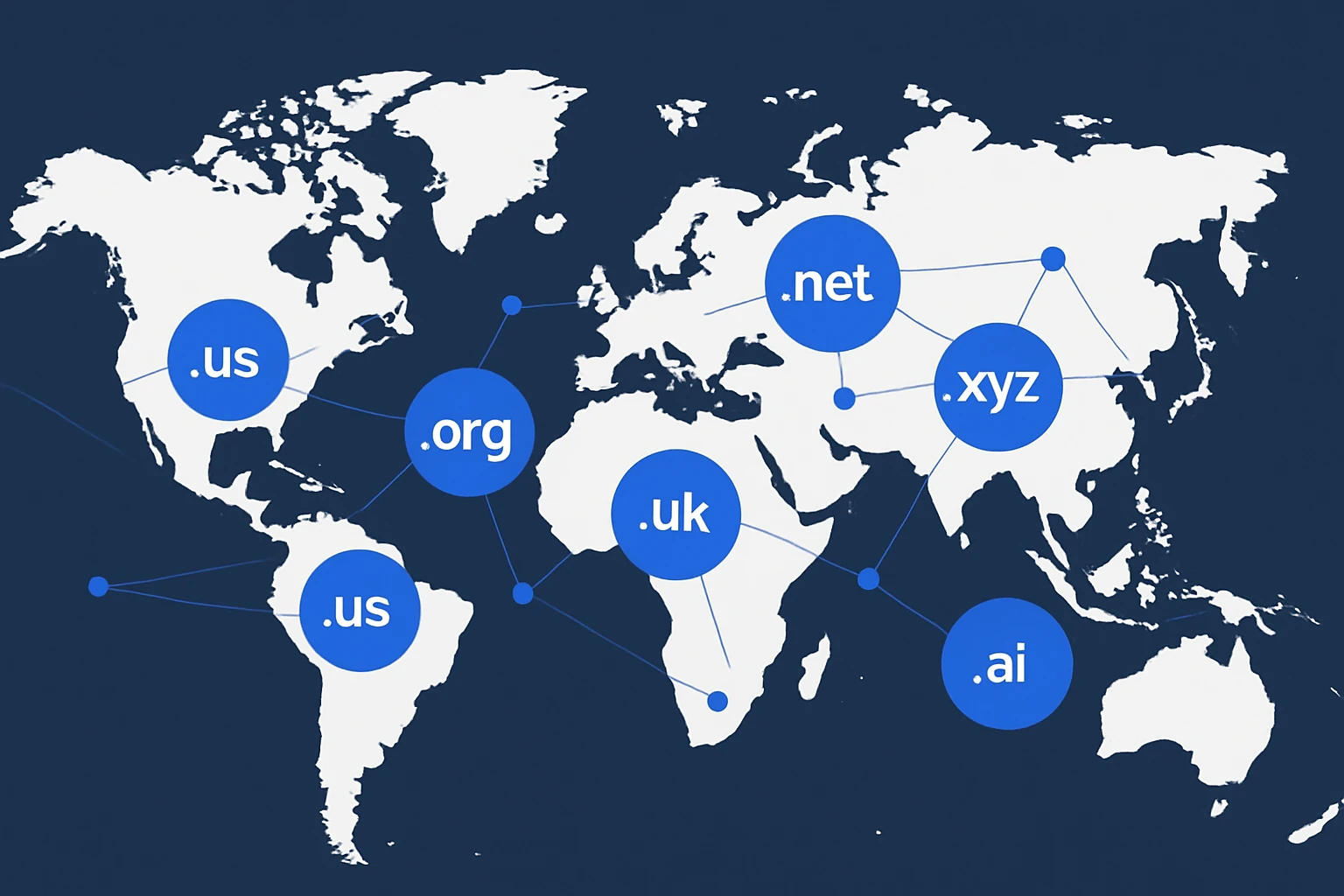
- ccTLDs (country-code top-level domains) map to specific countries or territories, such as .us, .uk, or .ae. They often carry strong local trust and are aligned with local regulatory and market expectations. ICANN’s governance framework for ccTLDs emphasizes a balance between local community needs and global-scale operation. ICANN notes the role of ccTLD managers in maintaining stability and compliance within their local ecosystem.
- New gTLDs are brand- or industry-specific extensions that emerged from ICANN’s program to expand the namespace (for example, .bank, .travel, or industry-branded extensions). They offer branding opportunities but require careful DNS readiness and regional strategy to avoid friction with audiences unfamiliar with newer extensions. Some new gTLDs have driven distinctive marketing campaigns, while others have struggled with recognition in key markets.
For a complete, authoritative view of how TLDs are organized, the authoritative root zone database maintained by IANA is the primary reference. It lists all delegated TLDs and their operators, providing a baseline inventory for any global domain program. IANA Root Zone Database remains the canonical source for TLD delegation and classification.
Mapping markets to extensions: a practical framework
Choosing which extensions to deploy requires a disciplined approach that connects market potential, brand strategy, and technical feasibility. The framework below helps teams move from a high-level ambition to concrete, executable steps.
- Market reach and audience trust: In regions with strong local brands and regulatory preferences, ccTLDs often outperform generic extensions in CTR and perceived credibility. Consider pairing a global presence with targeted ccTLDs in high-priority markets.
- Brand alignment and legal considerations: Branded or product-specific new gTLDs can reinforce a vertical strategy but may require regional education and consistent brand governance to avoid confusion. Always verify trademark and local registration requirements in target markets.
- SEO signals and user behavior: While Google has stated that TLDs themselves are less about ranking than quality signals, users still associate credibility with certain extensions. A balanced mix - global gTLDs for broad reach and ccTLDs for regional intent - tends to perform best for multinational sites.
- Operational readiness: DNS stability, registrar support, and zone-file access influence reliability. If you plan to use bulk domain data for audits or inventory management, ensure you have compliant access channels and update cadences for zone data.
To ground this in real-world practice, you can browse our AE-focused inventory to understand how a country-code extension is maintained and presented alongside broader TLDs: AE TLD inventory. You can also explore the full spectrum of TLDs via the TLD index to gauge how different categories map to your regional objectives.
Accessing and using domain extension lists: what to know about downloads
For global expansion, teams often need bulk lists of domain extensions or lists of domains within specific TLDs. There are legitimate, official paths to obtain and use such data, but there are important caveats about scope, currency, and access terms.
- Authoritative inventories: The IANA Root Zone Database is the primary, canonical listing of delegated TLDs and their operators. It is updated as delegations change and should be the baseline reference for any inventory that informs strategy or tooling. IANA Root Zone Database.
- Linguistic and structural suffix data: The Public Suffix List, maintained for browser and software use, helps identify registrable domains and effective TLDs in practice. This is particularly useful when parsing multi-level domains or planning URL structures for multinational sites. Public Suffix List.
- Policy and governance context: For ccTLD strategy, governance and policy considerations matter. ICANN’s ccTLD resources describe how local communities govern their TLDs within a global multi-stakeholder framework. ICANN.
Beyond the official references, many businesses rely on trusted data providers or in-house tooling to maintain an up-to-date inventory. If you’re evaluating bulk data for competitive analysis, consider starting with a country-or-region focus and progressively broadening to global inventories as your strategy scales. For a practical starting point, explore the AE inventory and the broader TLD directory via the publisher’s pages noted above.
A practical framework in action: evaluating domain extensions for a global site
Use the following four-step framework to assemble a domain extension plan that aligns with your business goals, regional presence, and technical capabilities.
- Step 1 - Market prioritization: List target markets by size, growth, and online behavior. Identify where language, currency, or regulatory requirements favor a regional presence via a ccTLD.
- Step 2 - Risk and brand alignment: Map each market to a fit extension. Consider brand consistency across domains and potential confusion if you fragment a global brand across many TLDs.
- Step 3 - SEO and UX alignment: Plan canonicalization, hreflang signals, and country-targeted content strategies. Remember that while TLD is not a ranking factor, user trust and engagement are strongly affected by the extension choice.
- Step 4 - DNS readiness and data access: Ensure you have DNS configuration that can withstand regional traffic and that you can access or maintain inventory data for audits, migrations, or marketing activations.
As an editorial-grade resource, HostingFlow’s dataset provides a foundation for these decisions, while client resources show examples of country-specific lists and broader inventories. See our AE page for a concrete local example, or browse the full TLD index for a wider view.
Limitations, trade-offs, and common mistakes
Any global domain strategy involves compromises. Being aware of common pitfalls helps mitigate risk and accelerate go-to-market timelines.
- Over-reliance on a single extension: Focusing exclusively on a global gTLD or a single ccTLD can limit regional relevance and user trust in key markets.
- Assuming data is always current: Zone files and registry data change. Bulk lists require regular refreshing and verification against authoritative sources to avoid stale inventories.
- Neglecting DNS readiness: New gTLDs and regional deployments require robust DNS infrastructure, including DNSSEC and reliable registrars, to prevent downtime and security issues.
- Underestimating legal/regulatory nuance: Some markets require local compliance considerations for branding, data privacy, and consumer protection. Build a governance layer early in planning to avoid rework.
Expert insight: DNS governance and local trust are closely linked, ccTLDs that are well-regulated and legible in local languages often outperform generic extensions in regional campaigns. For a global program, balance the aspirational branding value of new gTLDs with the credibility typically associated with established ccTLDs, especially in markets with strong local identities. See ICANN and IANA references for governance and root-zone context.
For teams seeking practical data access, our AE inventory page and the broader TLD directory offer concrete examples of how a country-code extension is organized and presented within a global catalog. AE TLD inventory • TLD index • pricing
Structured framework snapshot: a quick, repeatable checklist
Below is a compact, repeatable checklist you can print or export to guide quarterly reviews of your domain-extension strategy.
- Identify priority markets by audience size and online behavior
- Map markets to a mix of gTLDs and ccTLDs that align with brand and compliance needs
- Define SEO and UX goals for each extension (routing, hreflang, content localization)
- Ensure DNS readiness, security, and data-access rights for inventory data
Conclusion: a disciplined, editorially-driven path to global domains
Domain extensions are not just a namespace, they are a strategic instrument for international growth. By anchoring decisions to market realities, governance frameworks, and DNS readiness, teams can design a scalable, credible global presence. Start with a clear inventory, learn from authoritative sources, and use a framework that translates strategy into concrete actions. For hands-on exploration, explore AE-specific inventories and our broader TLD directory to understand how real-world implementations unfold across markets.