Introduction
For modern brands and organizations that operate at scale, the choice of domain extensions is more than a branding decision, it is a strategic signal that shapes audience reach, perceived trust, and regional relevance. The internet’s namespace has grown far beyond a single suffix like .com, with thousands of top‑level domains (TLDs) now in use. For professionals who want to plan with precision, a world‑scale TLD database becomes an essential tool: it helps you map audience intent, regulatory constraints, and technical feasibility across 1500+ extensions, from the familiar .com and .org to country code domains (ccTLDs) and the rapid wave of new generic TLDs (gTLDs). IANA's Root Zone Database is the canonical source of delegation data for all TLDs, underscoring that the set of available extensions is both dynamic and globally scoped. Verisign reminds us that the Domain Name System (DNS) is the backbone that translates human-friendly domain names into machine-readable addresses, making reliable registry data foundational to any global strategy.
In this guide, we’ll outline how to approach the world of domain extensions with a practical, evidence-based framework. We’ll explore how to interpret the landscape of gTLDs and ccTLDs, how new extensions change competitive dynamics, and how to use a robust TLD database to inform decisions about which suffix best serves a multinational audience. We’ll also discuss how to leverage downloadable domain extension lists responsibly, and how to balance editorial goals with technical and regulatory realities.
Key sources that anchor this landscape include the IANA Root Zone Database, which lists every delegated TLD, and ICANN’s public materials on the New gTLD Program. For perspectives on how search engines treat domain extensions, we reference industry analyses that note: domain extensions do not directly determine rankings, but user perception and local relevance can influence visibility and click-through.
The Global TLD Landscape: gtld, ccTLD, and New gTLDs
What gTLDs and ccTLDs are (and how they are governed)
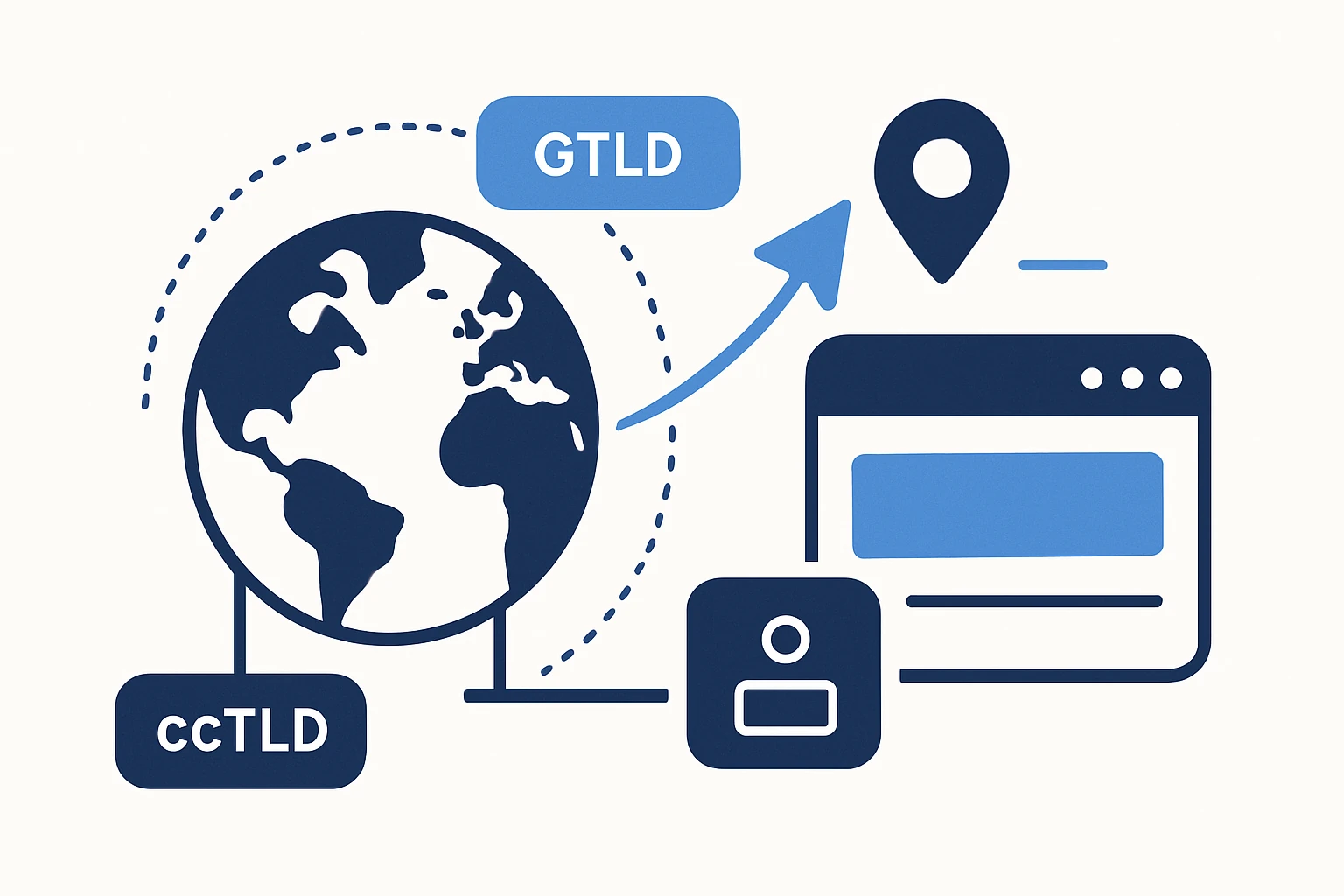
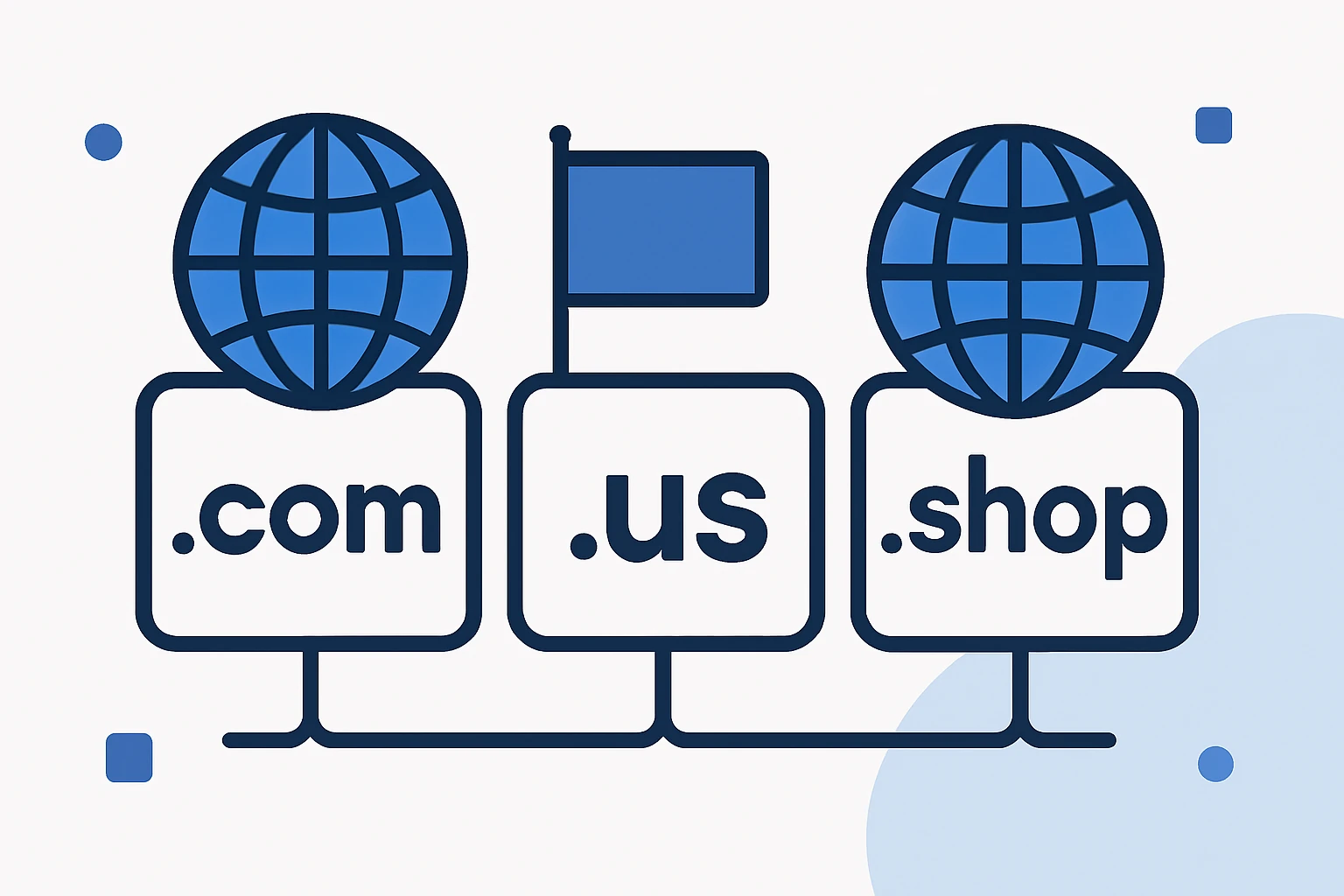
Top-level domains fall into broad families. Generic TLDs (gTLDs) include extensions like .com, .org, and newer verticals such as .store or .app that ICANN’s program has introduced to increase choice and competition. Country-code TLDs (ccTLDs) are two-letter suffixes that align with ISO country codes (for example, .uk, .de, or .jp) and are typically governed by local registries under national policies. The Root Zone Database maintained by IANA provides the official delegation details for all TLDs, illustrating the global scope of these suffixes and the distinction between global and national authorities. IANA Root Zone Database confirms the presence of both gTLDs and ccTLDs in the root zone.
From a governance perspective, gTLDs are governed under ICANN contracts and standardized policies, while ccTLD registries operate under local rules, which can vary widely by country and registry operator. This distinction matters not only for regulatory compliance but also for user trust and local market expectations in different regions. For an overview of how policy contexts differ, see ICANN/NTIA materials and ecosystem analyses.
New gTLDs and market dynamics
Since ICANN opened the door to new gTLDs, the namespace has grown substantially. The public materials around the New Generic Top-Level Domains program outline how new extensions were designed to spur innovation and consumer choice, with broad implications for branding, vertical targeting, and international branding opportunities. As of recent ICANN fast facts, the expansion has contributed to a large and diverse ecosystem of TLDs beyond the traditional .com/.net/.org trio. ICANN New gTLD Fast Facts summarize how the program aimed to enhance competition and consumer choice.
For context on the scale of this ecosystem, the IANA/ICANN ecosystem data remains the most authoritative reference for what exists today and how it is organized. The net effect for practitioners is that a robust tld database must cover both established and emergent extensions to avoid gaps in market insight.
How a TLD Database Transforms Domain Strategy
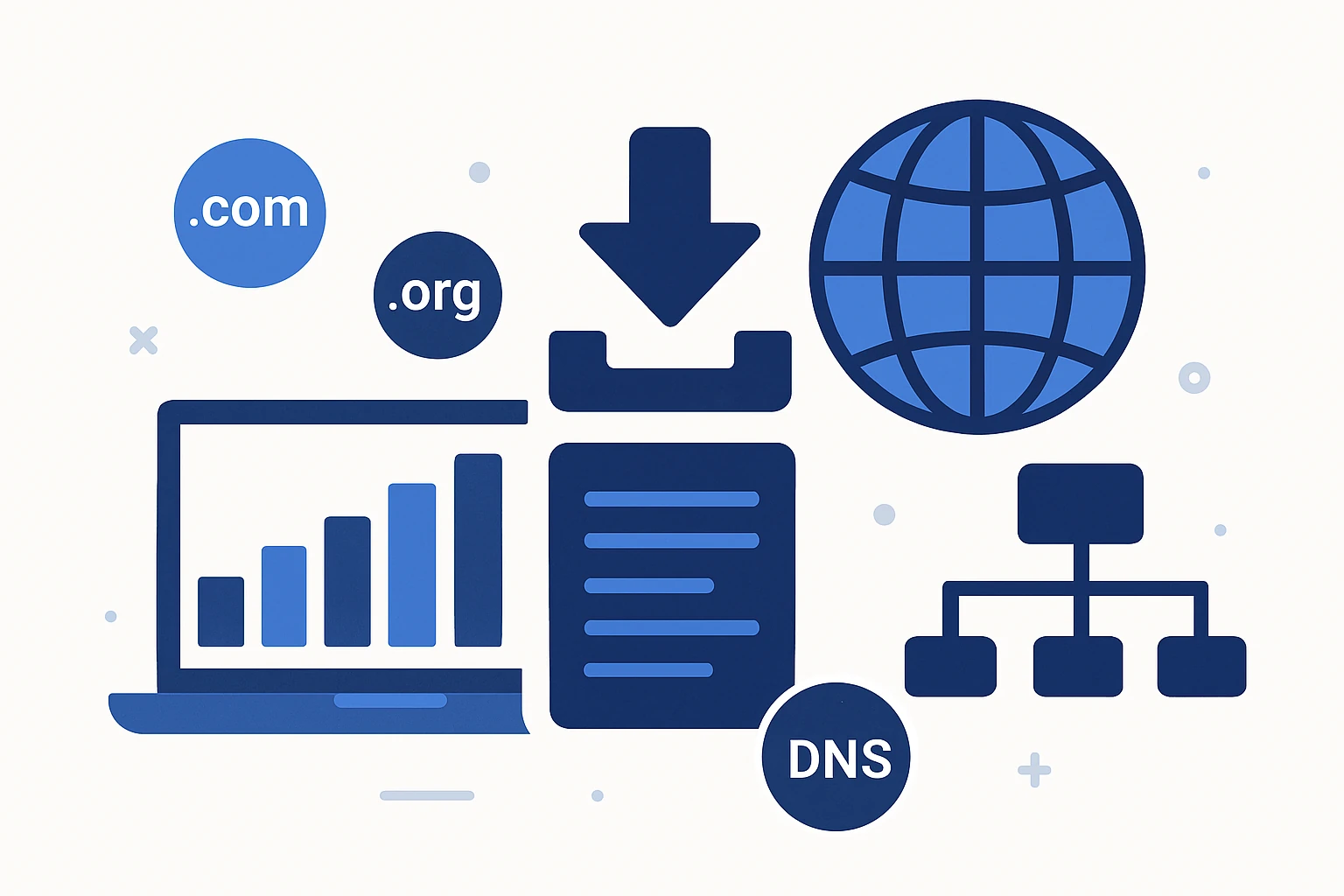
A TLD database is not merely a directory, it is a decision-support tool. When you map your audience, brand strategy, and technical requirements against the full spectrum of TLDs, you can make more informed choices about which suffixes to pursue for global reach, regional focus, or vertical alignment. From a DNS perspective, the list of TLDs you consider will influence how you design DNS hosting, SSL strategy, and content localization. The DNS foundation matters: the domain name system maps names to IPs in a hierarchical fashion that begins at the root level, and the stability of your chosen TLDs contributes to reliable resolution for users around the world. Verisign: What is the DNS?
At the core, you need authoritative data about which TLDs exist, who operates them, and what the delegation boundaries are. The IANA Root Zone Database is the canonical source for this information, listing all delegated TLDs and their registries. Keeping this data current is essential when you’re benchmarking growth in regions that use ccTLDs or when evaluating the potential brand and regulatory implications of new gTLDs. IANA Root Zone Database provides the exact, current delegations you should reference in a planning exercise.
A Practical Evaluation Framework for TLD Choices
To translate the TLD landscape into actionable decisions, use a practical framework that balances market opportunities, brand perception, and technical feasibility. The framework below is designed to be adaptable to enterprise needs, whether you’re prioritizing global reach or a targeted regional strategy. The emphasis is on discovering which suffixes best align with audience intent, governance expectations, and operational realities.
TLD Evaluation Framework (structured)
- Market reach and audience alignment: Which regions or demographics are you targeting, and which TLDs are most trusted in those markets?
- Brand and trust signals: How does a given suffix affect perceived credibility, memorability, and security posture?
- Technical feasibility: DNS stability, SSL/HTTPS requirements, and hosting compatibility for the chosen TLDs.
- Regulatory and legal considerations: Local data localization laws, trademark risk, and registry-specific rules.
- Cost and renewal terms: Initial registration fees, renewal costs, and any long‑term commitments associated with the registry.
- Data and privacy implications: Accessibility of registry data, stamps of transparency, and how RDAP/Whois data may be used in compliance and operational workflows.
When you evaluate TLDs through this framework, you gain clarity about where a suffix is a strategic enabler versus where it adds marginal value. For practical data access, consider combining a global tld database with authoritative DNS and registry information. For example, you can cross-check the official list of TLDs with your own DNS architecture plans and with regulatory considerations in target markets.
From an editorial and research perspective, a robust TLD database supports three core activities: (1) market mapping across languages and geographies, (2) benchmarking against a baseline like local ccTLD adoption, and (3) scenario planning for new gTLDs that align with your brand strategy. This is not just a data exercise, it is about aligning your digital presence with how users in different regions think about online identity.
Applying the Framework: Scenarios and Downloadable Lists
Many practitioners supplement core data with downloadable domain extension lists to evaluate market opportunities in specific suffixes. For example, lists focusing on country-code domains or regionally popular gTLDs can illuminate where demand exists and where brand protection is prudent. While the reach of any single suffix varies, the underlying principle is to anchor decisions in verifiable data rather than anecdote. For researchers who want to dive deeper, we offer a comprehensive resource hub that includes:
- An overview of the domain extensions list to explore global TLD coverage and recent additions.
- Geographic and country-focused domains, including comprehensive pages by country such as country-code domains to understand regional availability and policy signals.
- Up‑to‑date access to registry data via our RDAP & WHOIS Database for current ownership and registration details.
Beyond editorial utility, these resources support operational planning, risk assessment, and regulatory due diligence. In practice, you might combine a global tld database with local market insights to decide whether a regional ccTLD will boost local trust, or whether a globally recognized gTLD will better support cross-border campaigns. For teams that need country-level evidence, a ccTLD strategy is often paired with localized content and hreflang signals to improve user experience and relevance.
For teams seeking direct, practical examples of how to use targeted suffixes in a campaign, consider the following scenario as a starting point: If your product targets multiple European markets, you could pair a prominent global brand suffix with country-targeted pages (for example, using a ccTLD for key nations while maintaining a central hub on a primary gTLD). This approach can help balance global reach with local trust signals, without overextending your DNS or content production budget. The related data reflects that local signals often drive stronger audience alignment and conversion when paired with consistent branding.
Limitations, Trade-offs, and Common Mistakes
Like any framework component, a TLD strategy comes with trade-offs and common pitfalls to avoid. It is not enough to chase the most fashionable suffix or assume a single TLD will unlock global rankings. In practice, the most impactful outcomes arise from user-centric naming, consistent branding, and coherent localization rather than the suffix alone.
- Overreliance on novelty: New gTLDs can be powerful for branding, but too many choices can dilute brand clarity or confuse users. A focused portfolio often yields clearer brand equity than a sprawling approach.
- Neglecting local user expectations: ccTLDs carry geographic signals that can improve trust, ignoring local audience behavior may reduce engagement in key markets.
- Ignoring DNS and security considerations: Some TLDs require specific deployment practices (e.g., HTTPS by default or registry-level policy) that influence your technical planning.
- Inadequate trademark and regulatory checks: Local jurisdictions and registries differ in policy, failing to assess risk can lead to legal friction and brand exposure.
- Underestimating data privacy and visibility concerns: Access to registry data and WHOIS information has evolved, RDAP data can play a role in compliance, risk assessment, and customer transparency.
Expert insight from industry observers emphasizes that domain extension choice is rarely a direct SEO lever, but branding, trust, and user experience are real determinants of long‑term performance. In practical terms, search engines treat gTLDs and ccTLDs broadly the same in ranking algorithms, while localized signals and user behavior drive visibility in specific markets. See industry analyses for nuanced perspectives on the SEO implications of TLDs. Domain extensions and SEO.
Real-World Access and Data-Driven Practice
For teams that want to operationalize this approach, it helps to anchor decision-making in authoritative data sources and practical workflows. The IANA Root Zone Database is the official reference for current TLD delegations, ensuring your planning aligns with the live registry landscape. IANA Root Zone Database provides the definitive listing and helps you identify when new gTLDs appear or when ccTLD policies evolve. For DNS fundamentals and the mechanics of how domain names resolve, Verisign’s overview clarifies the architecture of resolution from root servers down through registries and registrants. Verisign: What is the DNS?
For organizations seeking to benchmark and plan with confidence, a robust TLD database should be coupled with ongoing access to registry and WHOIS/RDAP data. Our provider ecosystem integrates these data streams to support practical decision‑making for global campaigns, regional expansions, and brand protection strategies. If you want to explore specific domains by TLD, our catalog offers a centralized view of available suffixes and their respective registries. domain extensions list
Conclusion
The world of domain extensions offers substantial opportunities and real constraints. A disciplined, data-driven approach - grounded in an authoritative TLD database, DNS fundamentals, and thoughtful assessment of market and brand prerequisites - enables you to shape a domain strategy that scales with your global ambitions. While no single suffix guarantees SEO advantage, the right combination of TLDs - paired with localized content, trusted branding, and compliant deployment - can improve reach, trust, and user engagement across diverse markets. By grounding your decisions in a clear framework, you can move beyond guesswork toward a coherent, scalable domain strategy. For further data and practical access, you can consult our TLD resources and data services, including country-code domain pages and our RDAP/WHOIS database, to keep your plans current and compliant.