Introduction
Domain extensions are evolving from a simple branding choice into a strategic lever for reach, trust, and technical reliability. For many brands, the extension you choose signals intent, geography, and product focus - while also influencing how users discover and remember you. The internet’s routing and resolution backbone rests with the IANA-rooted DNS system, which coordinates the delegations for thousands of top‑level domains (TLDs). In other words, every extension you consider has both a marketing dimension and a DNS reality that must be aligned. The IANA Root Zone Database is the canonical reference for which suffixes exist and who operates them, underscoring the real-world scale of the domain namespace. (iana.org)
Global domain registrations have continued to grow, with Verisign’s Domain Name Industry Brief (DNIB) tracking hundreds of millions of domain names across all TLDs. This macro trend reinforces the value of a deliberate extension strategy rather than chasing every shiny new suffix. Verisign’s data - updated quarterly - also highlights shifts between gTLDs, ccTLDs, and new gTLDs as market dynamics evolve. (investor.verisign.com)
Understanding TLD Taxonomy
gTLDs vs ccTLDs
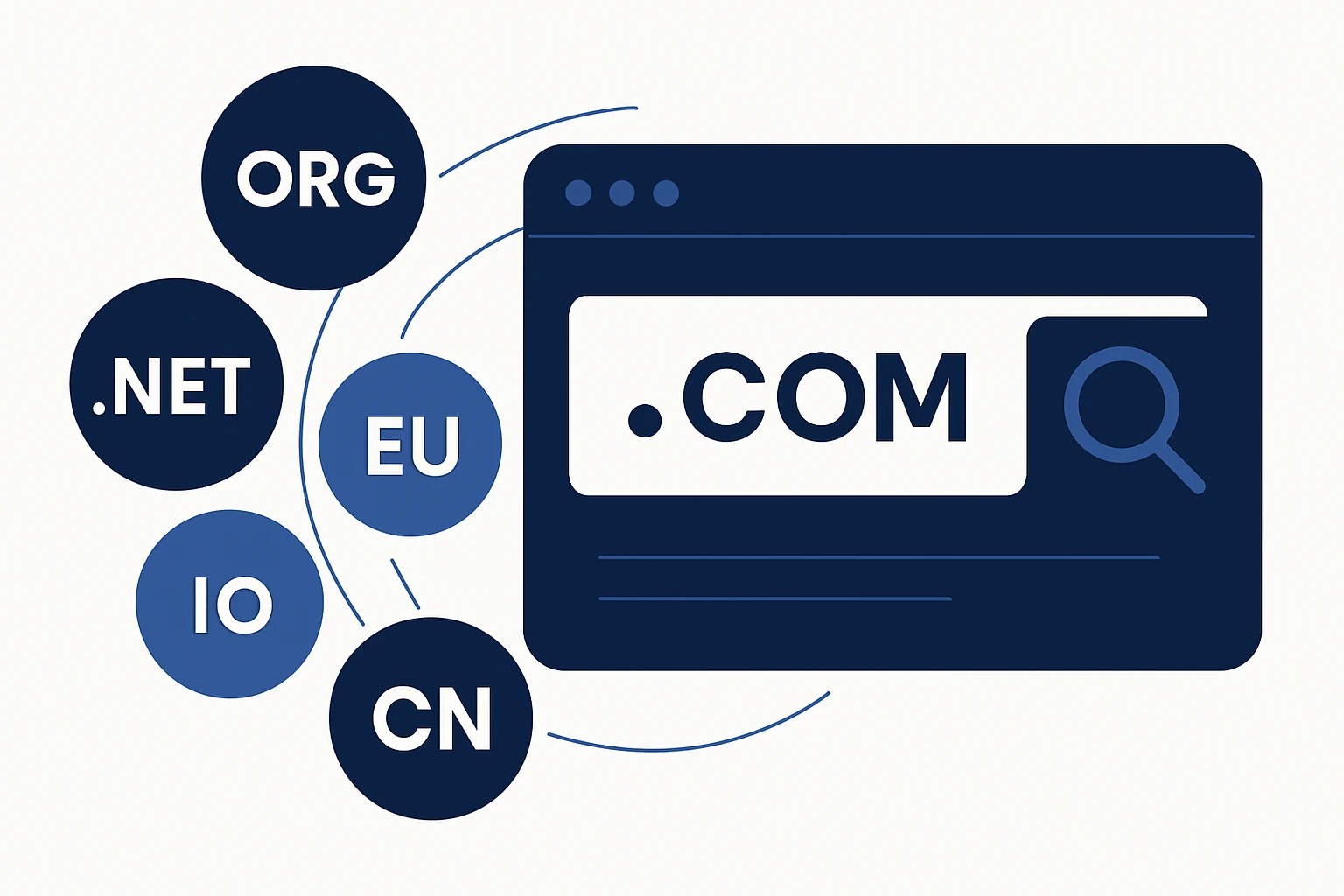
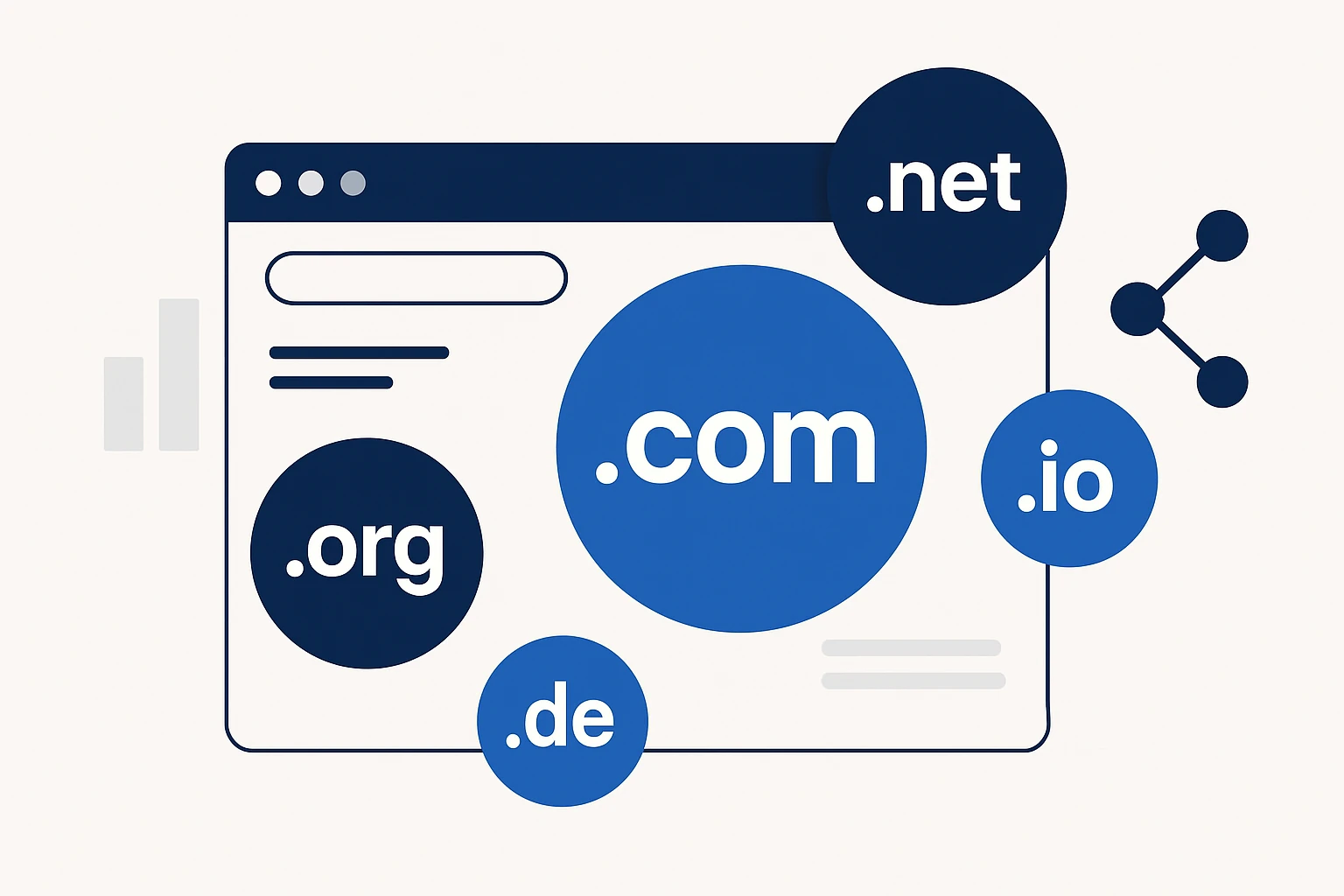
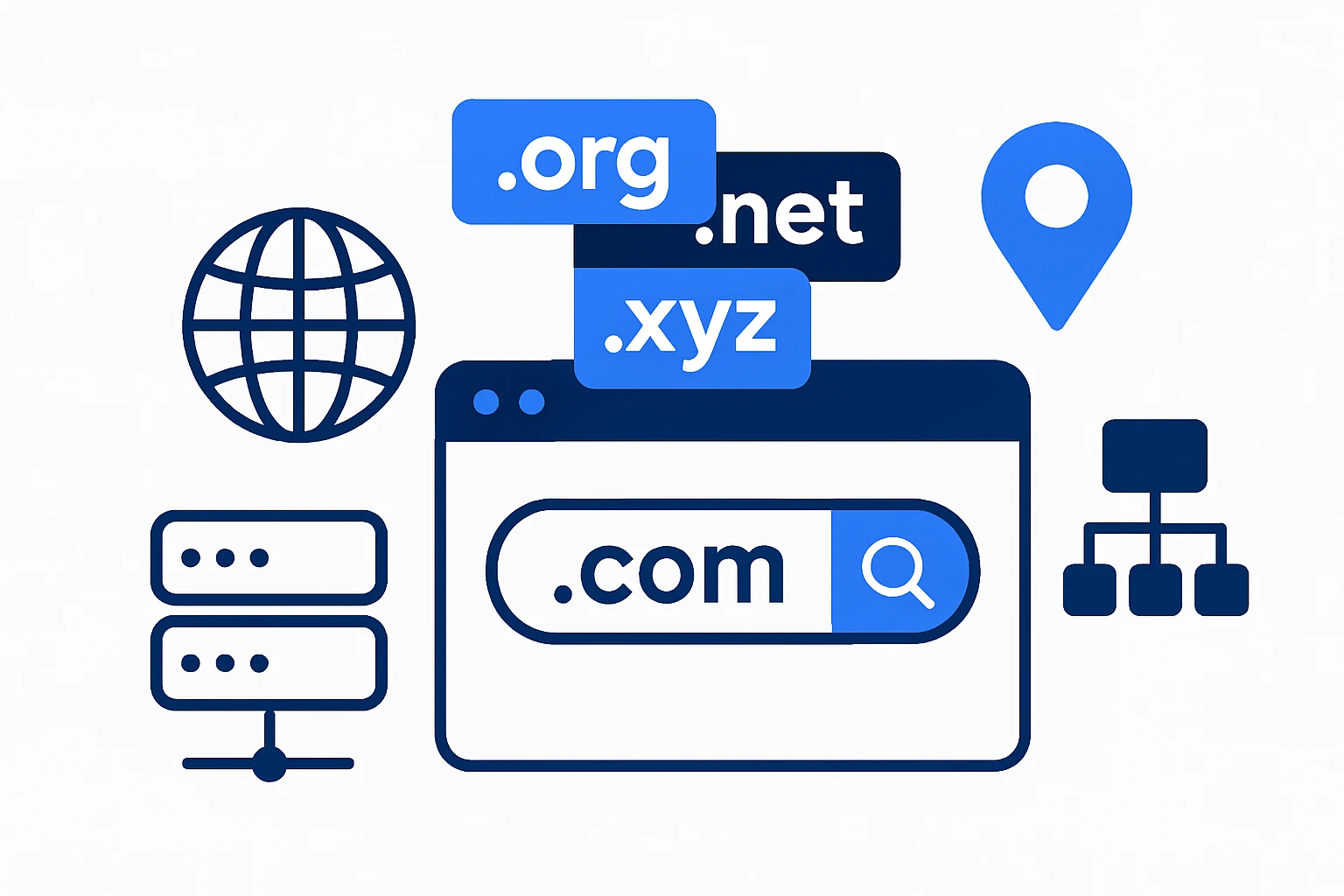
A gTLD, or generic top‑level domain, includes familiar suffixes such as .com, .org, and newer ones like .tech or .app that are intended for broad audiences. A ccTLD, or country‑code top‑level domain, corresponds to a country or territory (for example .uk, .de, or .jp) and is often managed by a local registry. The Root Zone Database - maintained by IANA - classifies TLDs by type and lists the official operators for each suffix, making it the authoritative reference for distinguishing gTLDs from ccTLDs. (iana.org)
New gTLDs
In addition to established suffixes, ICANN and IANA have facilitated the delegation of many new gTLDs in recent years, dramatically expanding the universe of branding possibilities (for example .app and dozens of others visible in the Root Zone Database). While new gTLDs offer marketing flexibility, they also demand careful evaluation of audience perception, consistency with branding, and long‑term management costs. The same IANA listing confirms these extensions among the global namespace as it evolves. (iana.org)
A Practical Decision Framework for TLD Selection
To translate branding goals into a robust extension strategy, use a four‑pillar framework. It helps you compare extensions not just on look and feel, but on trust, reach, and maintenance implications. Navigate quickly to each pillar below via the linked anchors:
Brand alignment, Audience & Geography, Cost & Availability, SEO & Technical Considerations.
Brand Alignment
Assess whether an extension reinforces your core value proposition and storytelling. Consider questions like: Does the suffix communicate product focus (for example, tech, finance, or education)? Will customers recall the extension after exposure in ads, emails, and social media? A well‑aligned extension reduces cognitive load for users and increases click‑through and memory retention in the funnel. Keeping branding consistent across markets is often more important than pursuing novelty. This pillar anchors your entire decision and should be tested with target audiences and key partners. See how the namespace supports brand narratives in the IANA listing when you compare candidates. tld taxonomy (iana.org)
Audience & Geography
Geography and language shape extension choice. Country‑code TLDs (ccTLDs) can help signal regional intent and improve local trust, but they may require local registration strategies, regulatory compliance, and maintained DNS infrastructure across jurisdictions. Conversely, global audiences may respond more to familiar gTLDs or descriptive new gTLDs that hint at the site’s purpose. In practice, many brands use a primary global extension for the core site and leverage ccTLDs for regional campaigns or run subdomains to balance reach with brand cohesion. The IANA root taxonomy and DNS governance context provide the structural backdrop for these decisions. (iana.org)
Cost & Availability
Availability and cost are pragmatic realities that determine what’s feasible. A premium or highly sought suffix can increase upfront costs and renewal fees, while a broad marketplace of options may dilute brand clarity if not managed carefully. Availability is especially critical for brand exact matches, an available extension may be more valuable than a perfect name with a mediocre TLD. Use a structured availability check across registrars and data providers to map options against branding goals, regional needs, and budget. The DNIB data confirms that even as the market grows, the value decisions around which suffix to use remain highly situational and cost‑sensitive. (investor.verisign.com)
SEO & Technical Considerations
While domain extension alone does not guarantee search visibility, it can influence user trust and click behavior, which in turn affects engagement metrics that search engines observe. For example, a trusted ccTLD may improve local relevance, while a new gTLD used incorrectly can confuse users if branding and localization are not clear. In all cases, the underlying DNS setup - such as authoritative name servers, DNSSEC, and load distribution - should be robust to avoid latency or outages that undermine performance. A data‑driven approach to SEO and technical readiness, supported by authoritative DNS governance, is essential when selecting any suffix. (investor.verisign.com)
Domain extension data and lists: where to get them
For teams that require programmatic access to curated domain extension data, provider catalogs and directories are valuable. In practice, many professionals use tiered lists grouped by TLD, country, or technology category. The client for this article - a well‑established data provider that catalogs domains by TLDs, including IO‑oriented lists - presents several practical entry points:
In a world where an up‑to‑date directory is essential for governance, outreach, and compliance, such lists are a practical complement to the IANA and Verisign governance frameworks described above. Note that the IO suffix, like other ccTLDs, is listed as a country‑code TLD in the Root Zone Database, highlighting the distinction between branding intent and regulatory responsibility. (iana.org)
DNS Insights and Global Domain Statistics
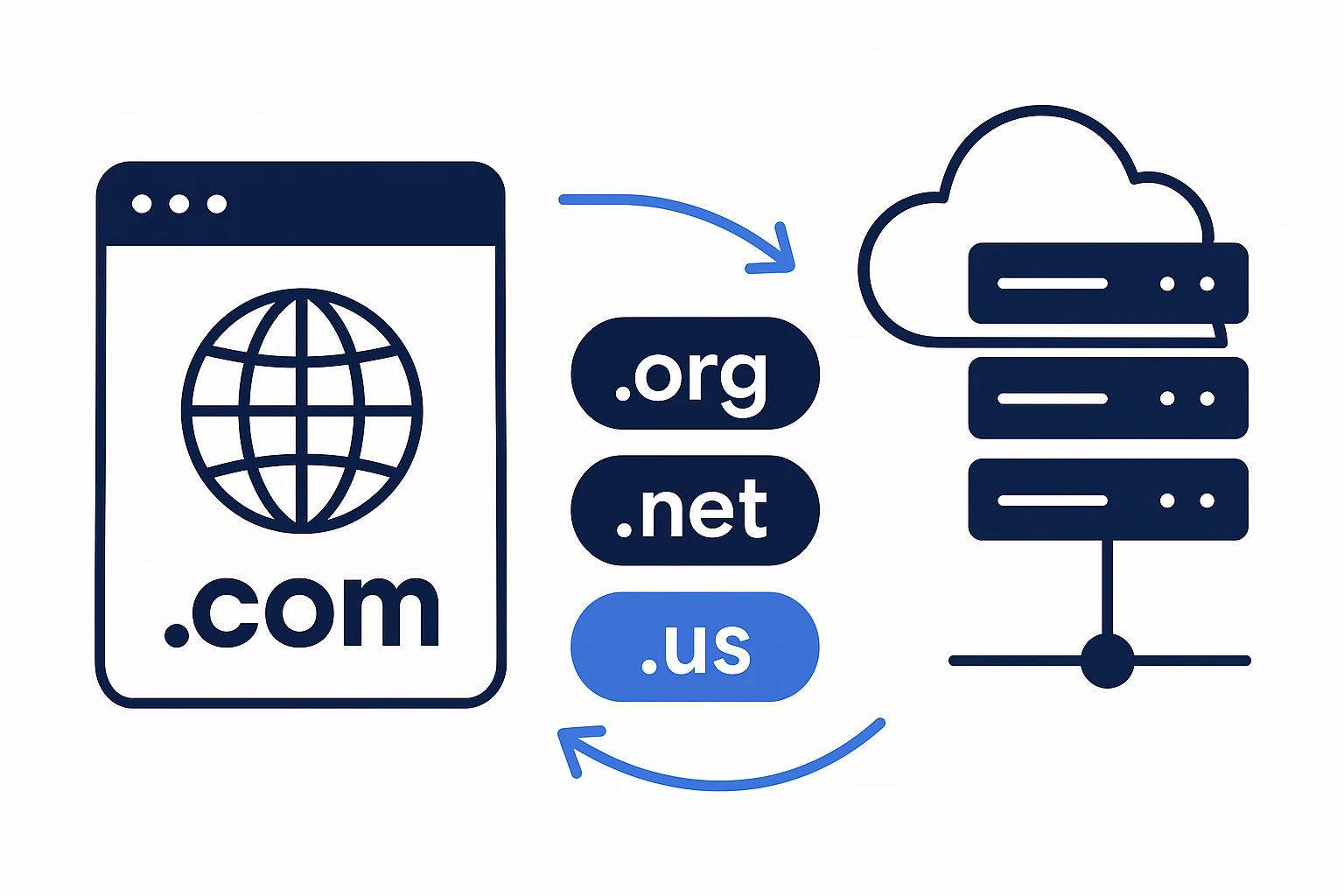
The Domain Name System (DNS) underpins access to every website, email server, and API call. DNS reliability and performance have a direct bearing on user experience and conversion, which amplifies the importance of selecting extensions with a stable DNS ecosystem and reputable registries. Verisign’s DNIB provides a quarterly pulse on the global domain landscape, including total registrations and the composition of gTLDs, ccTLDs, and new gTLDs. The Q4 2024 DNIB report tallied about 364.3 million domain registrations across all TLDs, underscoring that even as new suffixes proliferate, the market remains mature enough that brand discipline and DNS quality matter more than ever. (investor.verisign.com)
Limitations and Common Mistakes to Avoid
- Overemphasizing novelty: new gTLDs can offer branding flexibility, but they may confuse audiences if not paired with clear messaging and localization.
- Underestimating regional complexities: ccTLDs can boost local trust, but they often require local presence, registrars, or compliance with country‑specific rules.
- Assuming SEO benefits from every extension: search engines do not guarantee rankings based on TLD alone, content quality, backlinks, and user intent remain the primary drivers.
- Neglecting DNS readiness: a suffix is only as good as the DNS infrastructure it sits on - unreliable resolvers, slow responses, or missing DNSSEC can erode performance and trust.
An industry perspective tied to Verisign’s data reinforces that strategic discipline - rather than chasing the hottest suffix - often yields better outcomes for brand safety, regional relevance, and long‑term maintenance. (investor.verisign.com)
Conclusion
Choosing domain extensions is a multidimensional decision that blends branding, geography, cost, and DNS operations. A practical approach starts with a clear understanding of the taxonomy of TLDs (gTLDs, ccTLDs, and new gTLDs), followed by a four‑pillar decision framework: Brand alignment, Audience & Geography, Cost & Availability, and SEO & Technical considerations. By grounding your choice in authoritative governance (IANA), market trends (Verisign’s quarterly DNIB), and credible data sources or directory services, you reduce the risk of misalignment that can hamper brand perception, reach, or performance. For teams that rely on programmatic insights or need ready access to domain lists by suffix, the client’s directory - including IO‑focused lists and the broader tld catalog - offers practical, editorially digestible data to support decision making. As the ecosystem continues to evolve, a disciplined, data‑driven approach will remain the most reliable path to a domain strategy that stands the test of time.