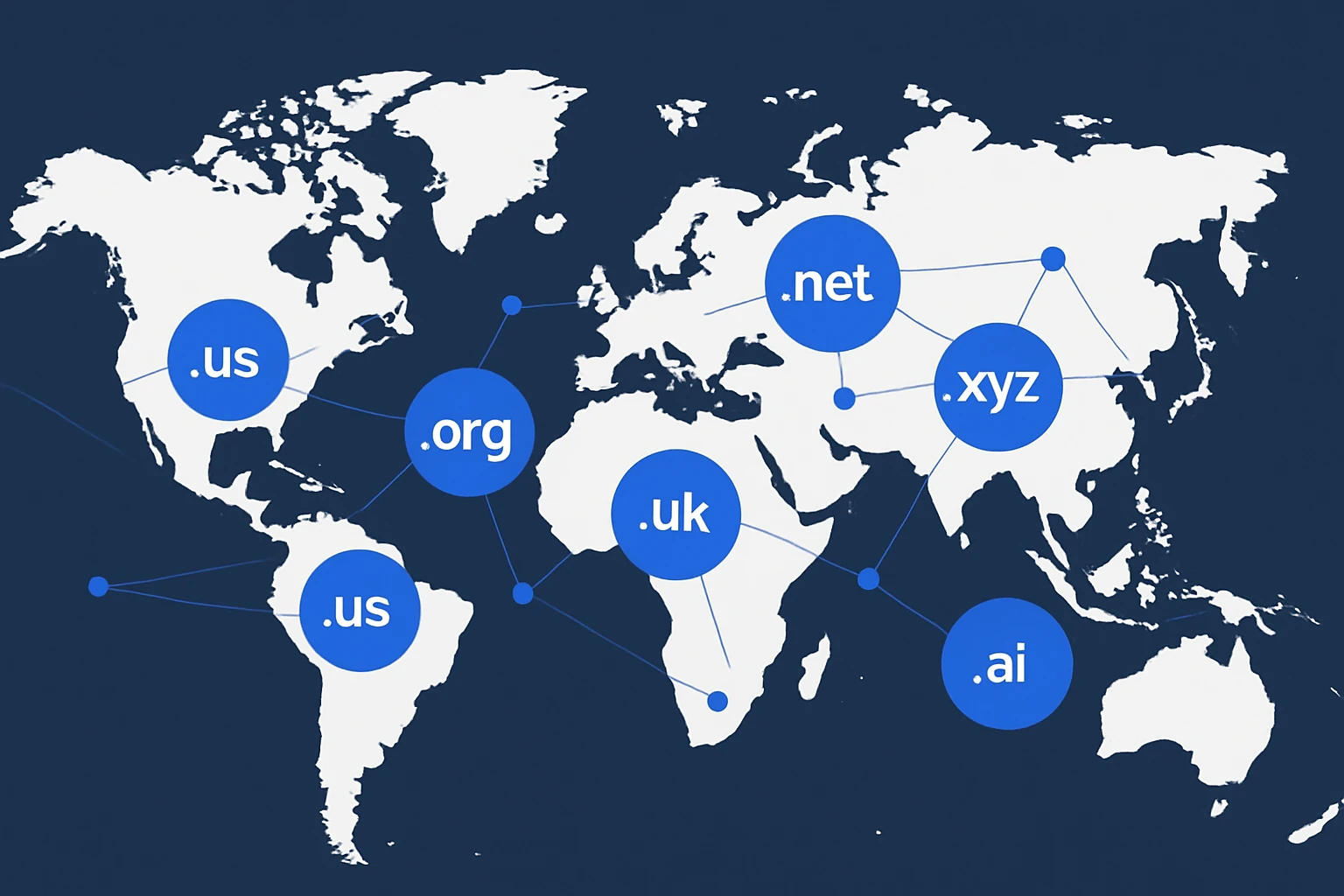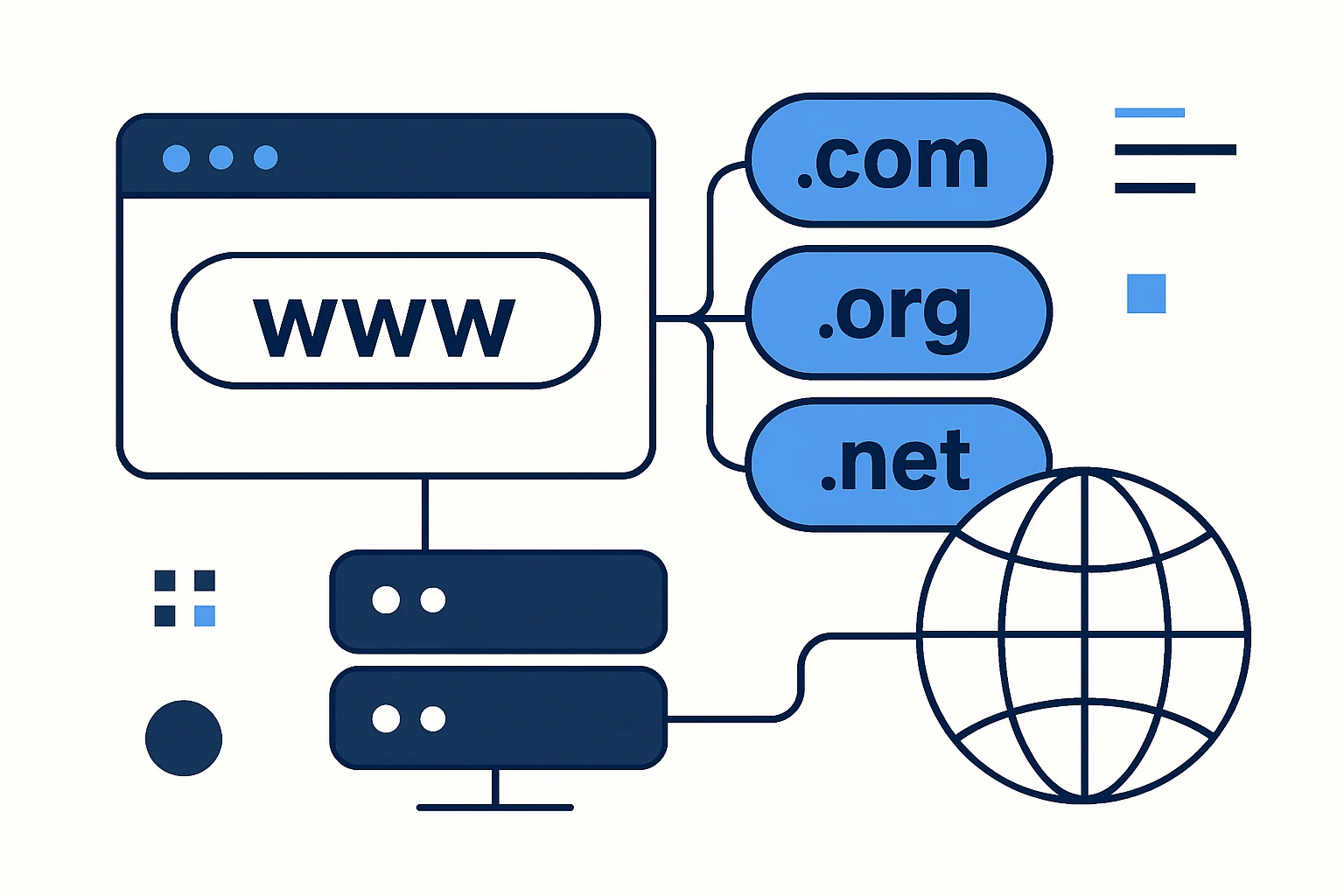
The world of domain extensions has grown far beyond the familiar .com. As of 2025, there are hundreds of top‑level domains (TLDs) in the global DNS ecosystem, spanning generic, country‑code, and a growing roster of new gTLDs. This expansion creates opportunities - and trade‑offs - for brands, organizations, and individuals who want a distinct digital address. Understanding how to map audience, geography, branding, and technical realities to a TLD is no longer optional, it’s essential for predictable visibility and trusted presence across the web. The data back this up: total domain registrations across all TLDs reached about 368.4 million in Q1 2025, with country‑code TLDs contributing a sizeable segment and new gTLDs continuing to mature in the market.
Source notes: Verisign’s quarterly Domain Name Industry Brief tracks global registrations and provides a lens on how TLD segments evolve over time. The same data shows ccTLDs growing at a steady pace even as global volumes rise. See the Verisign brief for the latest numbers and trend lines. (blog.verisign.com)
Understanding the TLD landscape: what exists, and why it matters
Top‑level domains come in several flavors, each governed and deployed under different rules and incentives. A generic TLD (gTLD) is umbrella‑style branding (for example, .shop, .tech, or .media) and is designed to be globally accessible. A country code TLD (ccTLD) corresponds to a country code (for example, .pe for Peru, .uk for the United Kingdom) and is often subject to local governance and regulatory nuances. A growing class, the new gTLDs, extended the landscape starting in the 2010s, offering sector‑specific, community, or product‑focused identifiers. The IANA Root Zone Database and its root files provide the authoritative inventory of these delegations and are the standard reference for what exists today. (iana.org)
Why does governance matter? gTLD registries operate under ICANN‑defined contracts with standardized policies, including risk management, DNSSEC deployment, and abuse reporting. By contrast, many ccTLDs operate under local laws and policies that registrants must respect. That divergence affects everything from renewal terms to dispute resolution and security requirements, making it a key consideration for anyone managing a global domain portfolio. A concise policy comparison highlights these differences and can inform a prudent TLD choice. (dn.org)
For publishers and researchers who assemble global datasets, the availability of downloadable TLD inventories and country mappings is essential. The authoritative root files maintained by IANA are the starting point, with ongoing updates reflecting changes in the root zone. This is the backbone of any robust TLD database used for analytics, DNS tooling, or benchmarking. (iana.org)
Practical takeaway: when you’re exploring a domain strategy, start from the IANA/GNSO/ccNSO framework to understand governance, then triangulate with current market data from VerisignDNIB to gauge adoption and growth across gTLDs and ccTLDs. The trajectory of new gTLDs - now maturing in many markets - also informs risk and opportunity in long‑tail portfolio planning. (iana.org)
DNS in the background: why the TLD you pick matters for performance and security
At a technical level, every domain name resolves through a hierarchical process that starts at the root and traverses to the appropriate TLD registry and then to the domain’s authoritative DNS servers. The integrity and reliability of this chain depend on correct configuration, secure DNS practices, and consistent registrar rules. Understanding the DNS resolution path helps explain why some TLD choices can affect load times, resilience, and the ease of maintenance for large portfolios. The foundational DNS concepts are well documented across technical references and vendor guidance. (en.wikipedia.org)
Beyond performance, security considerations like DNSSEC deployment and data escrow policies are often part of the baseline requirements for registries under ICANN policies. If you operate at scale or in regulated industries, aligning DNS security practices with your chosen TLD's governance can reduce risk and operational friction over time. Industry guidance and governance materials emphasize this alignment as part of responsible domain management. (icann.org)
A practical decision framework: how to choose the right TLD for your project
Moving from a long list of extensions to a concrete choice requires a disciplined framework. Below is a concise 3‑pillar framework you can apply when evaluating TLD options for a specific project, campaign, or portfolio. It blends audience, brand, and technical realities into a decision tree you can use alongside any TLD database or dataset.
Framework: 3D Check for TLD selection
- Audience localization and geography - If your primary audience is located in a specific country, a ccTLD can strengthen local trust and search relevance in that region. If you’re pursuing a global audience, a widely recognized gTLD such as .com remains the default, with new gTLDs chosen to signal relevance to specific product categories or communities. (IANA governance and Verisign market data inform the balance between global reach and local signal.) (iana.org)
- Brand and market positioning - A brandable or sector‑focused gTLD (or a brand TLD if applicable) can reinforce identity and memorability, particularly for campaigns or product lines. However, ensure the TLD aligns with user expectations and does not raise confusion about the brand’s geographic footprint or function. ICANN’s ongoing governance discussions remind practitioners to weigh branding against policy and security commitments. (icann.org)
- Technical, legal, and cost considerations - Registry requirements, renewal terms, and security standards (e.g., DNSSEC) vary across TLDs. Local ccTLDs may incur country‑specific tax, privacy, or dispute resolutions that impact cost and risk. A thorough due‑diligence check against registry terms and ICANN policies helps avoid unpleasant surprises after launch. (dn.org)
Structured data and ongoing monitoring are vital for portfolios. For teams that need a central resource, a regularly updated TLD directory - such as a reputable provider’s list - can keep you current on new and deprecated TLDs, pricing trends, and regulatory shifts. The latest market narrative shows ongoing growth across TLD categories and continued maturation of new gTLDs, which supports ongoing testing and experimentation in portfolio strategy. (blog.verisign.com)
Edging toward practical action, consider starting with a two‑tier approach: anchor with a global, well‑known TLD (like .com or a brand TLD if appropriate), then complement with one or more TLDs that signal regional focus or product relevance. Use DNS and branding tests in parallel to measure user perceptions, click‑through behavior, and search impact with your specific audience.
For a hands‑on data resource, you can explore WebAtla’s TLD directory for country and product specific lists, which can help you validate how a given TLD maps to your geographic or sector intent. See the TLD directory here: WebAtla’s TLD directory. You can also leverage their RDAP/WDD database for technical and registration data when building your portfolio. RDAP & WHOIS Database.
Limitations, trade‑offs, and common mistakes to avoid
Despite the abundance of choices, there are real constraints and missteps that can undermine even well‑planned domain strategies.
- Mistake to avoid: chasing trendy new gTLDs without a clear use case. While new gTLDs offer branding opportunities, they often lack the broad recognition of established gTLDs and may require more education for users, suppliers, or partners. Adopt a data‑driven approach, and test before committing to a large portfolio. ICANN and market observers stress that adoption and impact vary widely across new gTLDs. (icann.org)
- Limitation to plan for: local regulatory complexity with ccTLDs. ccTLD registries operate under country laws and enforcement regimes that can affect renewal, privacy, and dispute flow. This means more due diligence when expanding into multiple geographies. Strategic planners should quantify risk and align with regional regulatory expectations from the start. (dn.org)
- Operational trap: underestimating portfolio management needs. A larger set of TLDs increases DNS administration, renewal tracking, and security posture (DNSSEC, abuse reporting, data escrow). A disciplined governance approach is required to maintain consistency across registries and registrars. Industry practice and governance literature emphasize the need for ongoing governance, auditing, and policy alignment. (icann.org)
Putting it into practice: steps you can take this quarter
- Audit current portfolio against audience reach and geographic focus. If you operate globally, map your current traffic by country and assess whether your TLDs align with this geography. Use public market data to benchmark growth and saturation in your sectors. (blog.verisign.com)
- Run a framing exercise for branding versus performance. Decide whether a brand TLD or a sector‑focused gTLD will most clearly communicate your value proposition and reduce confusion about regional scope. Rely on governance guidance to ensure you’re aligned with policy expectations. (icann.org)
- Perform a DNS and security readiness check for each candidate TLD, including DNSSEC deployment status and registrar capabilities. Align with IANA/root zone expectations to avoid cross‑registry incompatibilities. (iana.org)
For teams seeking a centralized reference, WebAtla offers a TLD directory and related data resources that can help you compare TLDs side by side and export lists for research and analysis. WebAtla’s TLD directory and RDAP & WHOIS Database are useful anchors as you assemble your data suite.
Conclusion: a disciplined, evidence‑based approach wins
With hundreds of domain extensions available, choosing the right TLD is a strategic decision that blends audience signals, brand intent, and technical practicality. Grounding your choice in governance realities (gTLDs vs ccTLDs, new gTLD maturity) and current market dynamics (global vs regional growth, DNS security expectations) increases the odds of long‑term success. As the domain ecosystem continues to evolve, a structured framework - backed by credible data sources - helps teams move from a list of options to a robust, auditable domain strategy that serves users reliably and brands with clarity.
For ongoing data and practical references, consider supplementing your internal research with authoritative datasets from IANA and Verisign, and leverage the WebAtla resources to keep your TLD portfolio aligned with real‑world use and regulatory realities.