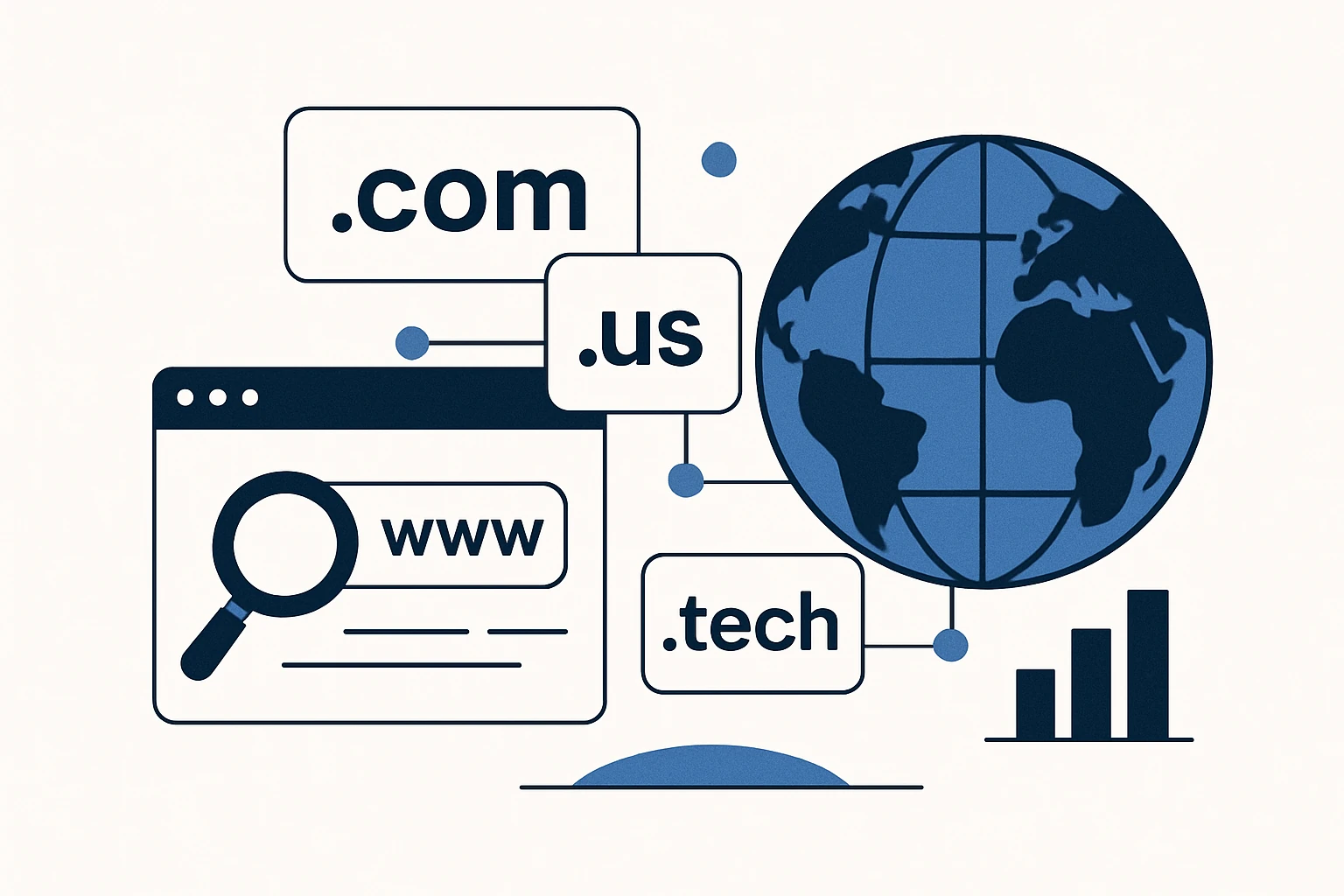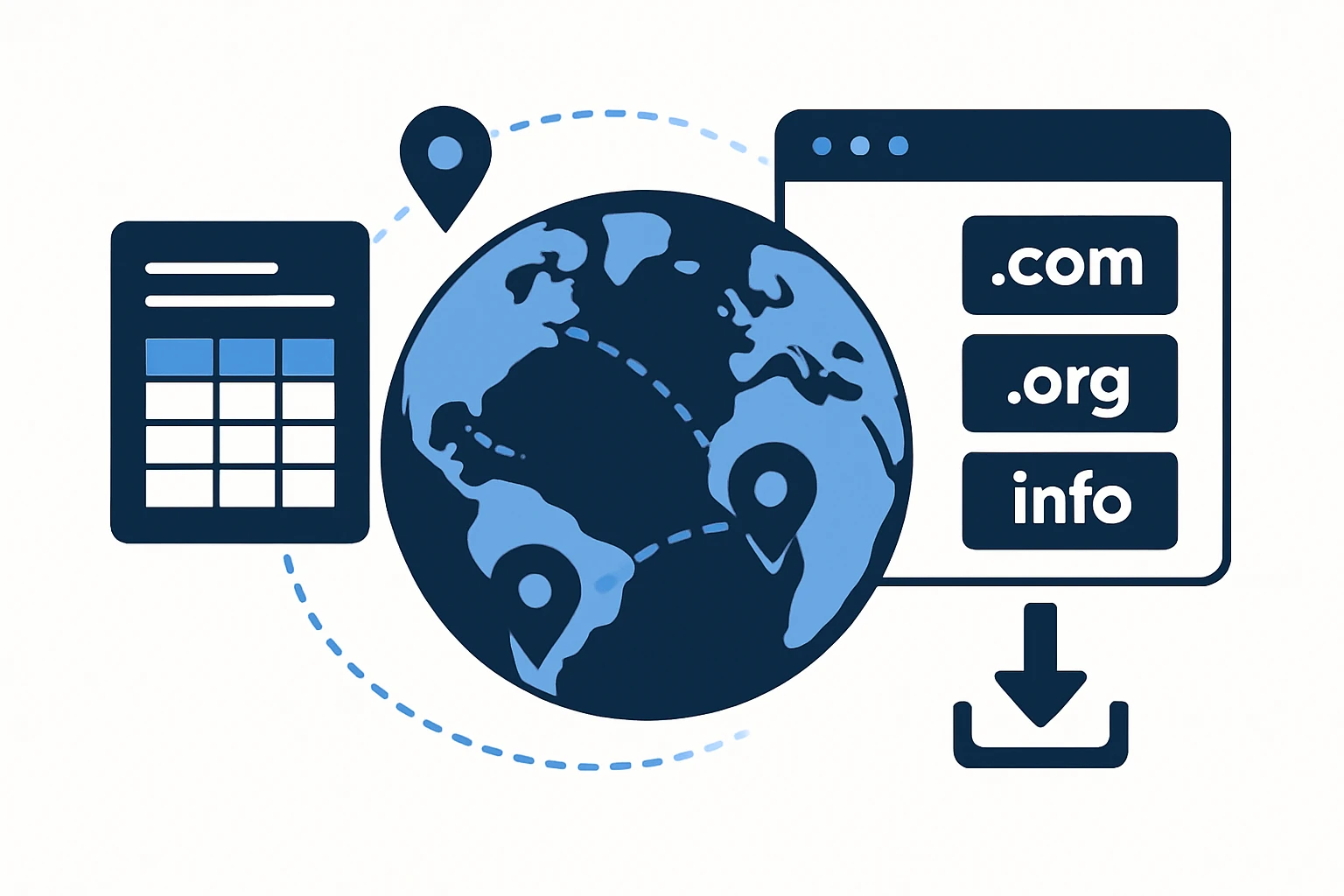
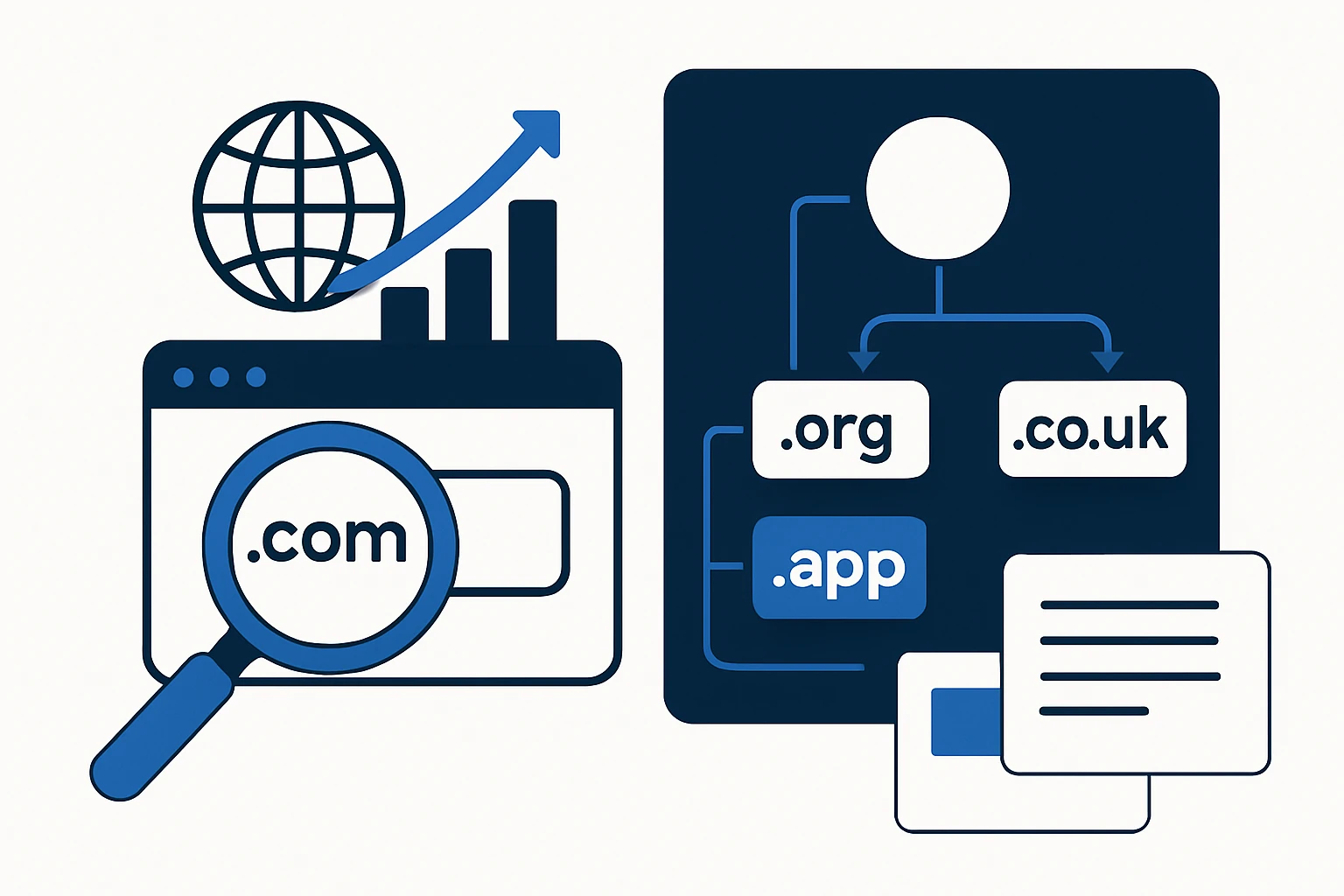
Choosing the right domain extension is more than branding, it’s a strategic decision that shapes how a business is perceived, where it can confidently operate, and how resilient its online presence can be over time. In 2026, the domain landscape includes traditional gTLDs like .com, thousands of country-code TLDs (ccTLDs), and a growing set of new generic TLDs (new gTLDs). This guide offers a practical, decision-focused framework to map TLD choices to real-world goals - without getting lost in the noise of 1500+ extensions. The guidance here aligns with current industry data and governance structures published by trusted authorities such as IANA and ICANN. IANA Root Zone Database and ICANN are the authoritative references for what exists in the namespace, while Verisign’s Domain Name Industry Brief provides the scale of adoption across the market. Verisign DNIB.
Understanding the TLD Landscape in 2026
To navigate the space effectively, it helps to distinguish between three broad categories of top-level domains (TLDs):
- gTLDs (generic top-level domains) such as .com, .org, and newer options like .tech, .shop, or .dev. These are not tied to a single country and are used globally to signal industry or audience focus.
- ccTLDs (country-code TLDs) such as .uk, .de, or .jp. These typically reflect a country or territory and can carry local trust and geographic signals.
- New gTLDs introduced through ICANN’s expansion program to broaden branding opportunities (for example, .food, .photography, .bank). The next application window is anticipated around 2026, with ICANN outlining requirements and support mechanisms for applicants. ICANN New gTLDs and FAQs provide ongoing context for this evolving space. The New gTLD Program.
Official registries maintain current lists, and IANA’s Root Zone Database remains the canonical reference for which extensions exist and are delegated in the DNS root. For a high-level view of what’s delegated, see the Root Zone Database and the plain-text Top-Level Domain List.
TLD Decision Matrix: 5 Core Criteria
When choosing a domain extension, consider a framework that balances brand impact, global reach, and operational practicality. The following matrix helps align practical constraints with strategic goals.
- Branding and memorability
- Does the extension convey your product, service, or audience in a memorable way (for example, a tech-focused company using .dev or a media brand leveraging .media)?
- Is the extension widely recognized in your target markets, or will it require education and trust-building with customers?
- Geographic targeting and local trust
- Are you prioritizing local markets? A ccTLD can signal local presence and support region-specific queries, however, it may fragment global branding if not managed carefully.
- Are you complying with local regulatory or language considerations that pair well with a ccTLD (for example, language-specific domains for multilingual audiences)?
- Operational and DNS considerations
- DNS performance and reliability tend to be uniform across major TLDs, but you should plan registrant and registry support, DNSSEC readiness, and caching implications for global reach. The Domain Name System translates human-friendly names into IP addresses, enabling browsers to locate services efficiently. DNS basics from Cisco illustrate how name resolution works across the root, TLD, and authoritative zones.
- Branding and memorability
- SEO and regional signals
- SEO performance is driven primarily by content quality, backlinks, and user experience. TLD choice alone is not a primary ranking factor, however, ccTLDs can influence perceived relevance for regional queries, and certain users may trust established brands with familiar extensions. See industry context for how the namespace scales and evolves. Verisign DNIB
- Legal, compliance, and branding risk
- Some extensions imply jurisdictional or sectoral expectations. If your industry has regulatory requirements or sensitive data concerns, you’ll want to avoid extensions that could raise compliance questions or confusion among customers.
Strategic Use Cases: How to Apply the Matrix
Below are three canonical paths, each illustrating how to apply the decision matrix in real-world contexts. These scenarios reflect the balance of brand intent, regional exposure, and DNS practicality.
Global brands with standardized branding
Large brands often maintain a flagship .com while deploying ccTLDs to support local markets (for example, example.co.uk for the United Kingdom and example.de for Germany). This approach preserves a unified brand while signaling local relevance. It also enables region-specific content strategies, time-zone targeting, and localized customer support. For teams exploring the global expansion path, WebAtla offers a consolidated view of domains by TLDs that can help plan a harmonized portfolio. List of domains by TLDs.
Developer- or tech-forward audiences
For products and services aimed at developers or technology enthusiasts, a developer-focused gTLD such as .dev can reinforce the intended audience. Tech brands sometimes pair .dev with their primary brand on a landing strategy to segment developer-focused campaigns. Consider technical implications for TLS, HSTS, and domain validation across environments, such planning can be supported by DNS datasets and RDAP/WIPO-style lookups. If you’re evaluating the .dev space, the WebAtla dev dataset can be a practical starting point. .dev domain lists on WebAtla.
Regional market entrants and niche industries
New gTLDs targeted at specific industries (for example, .bank, .insurance, .restaurant) offer branding precision but may require additional trust-building and compliance considerations. While new gTLDs expand the branding toolkit, a measured approach - combining a universal .com with one or two well-chosen ccTLDs or industry-specific gTLDs - can help avoid over-fragmentation. The ICANN program overview provides context on the evolution of new gTLDs and the governance framework behind them. ICANN New gTLDs.
DNS, Reliability, and World Data: What You Should Know
Beyond branding and regional signals, an extension must hold up under the practical demands of a modern site. The DNS infrastructure - root servers, TLD registries, and authoritative name servers - underpins every online transaction. As a baseline, the DNS chain involves the resolver querying root servers, then TLD name servers, and finally the authoritative servers for the domain. This structure is designed to be fault-tolerant, but operational planning matters when you scale or deploy multi-regional sites. For a concise explanation of how DNS functions and why it matters for performance, see the Cisco DNS primer linked above. DNS basics.
In terms of market scale, Verisign reports the global DNS registration landscape as part of its quarterly Domain Name Industry Brief, underscoring that hundreds of millions of domains exist across TLDs. For example, the DNIB notes the scale of registrations and how ccTLDs contribute to the global total, highlighting the importance of governance, registries, and DNS security practices in maintaining a stable namespace. Verisign DNIB.
Limitations, Trade-offs, and Common Mistakes
Every TLD decision comes with trade-offs. Here are the most frequent missteps to avoid and the realities behind them.
- Assuming more extensions equal better branding - A sprawling, multi-extension strategy can dilute recognition and complicate user journeys if not anchored by a clear brand architecture and user experience.
- Ignoring local market signals - When expanding into new regions, a ccTLD provides a trusted signal in that locale, but it requires language- and culture-aware content strategies and regional hosting considerations.
- Underinvesting in DNS readiness - DNS performance, TLS configuration, and DNSSEC readiness affect site reliability and security, neglecting these can erode user trust regardless of the chosen extension.
- Assuming SEO advantages from TLDs alone - While certain signals may reinforce regional intent, search engines emphasize content quality, relevance, and site UX more than the TLD itself. Plan for content strategy and authoritative backlinks as core SEO levers.
Practical Resources and How WebAtla Supports You
For practitioners who want a data-driven view of domain availability, inventory, and technical details, WebAtla’s resources offer practical entry points. The platform aggregates domain data by TLDs and provides RDAP and WHOIS lookups to support compliance, monitoring, and programmatic checks. Explore these essential resources:
If you’re curious about a particular TLD such as .com, .org, or regional domains (for example, .uk, .de, .ua), the client’s catalog provides comprehensive lists and country-specific inventories to help planners map their global footprint. For a broader view of how domain data can underpin decisions, you can also consult the broader DNS and domain statistics context provided by authoritative sources such as IANA and ICANN. IANA Root Zone Database and ICANN New gTLDs offer formal perspectives on namespace governance, while Verisign DNIB gives the market-scale context.
Conclusion: A Practical Path Forward for 2026 and Beyond
The abundance of domain extensions creates both opportunity and risk. A disciplined decision framework - centered on branding clarity, regional reach, DNS reliability, and governance considerations - helps teams select a TLD portfolio that scales with their business. The core takeaway is not to chase the latest extension for its own sake, but to design a coherent namespace strategy that aligns with audience expectations, legal realities, and infrastructure readiness. As the namespace continues to evolve, keeping an eye on authoritative data sources such as the IANA Root Zone Database and ICANN’s new gTLD program will help you anticipate shifts in the domain ecosystem and adjust your strategy accordingly. IANA Root Zone Database | ICANN | Verisign.