
Introduction: the domain extension decision that shapes global reach
For any business aiming to grow beyond a single market, the choice of domain extensions is more than a branding decision - it directly influences reach, trust, and risk. The Internet’s namespace has evolved from a handful of generic endings to a vast ecosystem that includes gTLDs, ccTLDs, and a growing slate of new gTLDs. Understanding how to navigate this landscape and align it with business goals is essential for a resilient global strategy. The DNS backbone underpins every domain choice, and a misstep can ripple through branding, compliance, and performance. (verisign.com)
1) The Domain Namespace Demystified: gTLDs, ccTLDs, and new gTLDs
What gTLDs, ccTLDs, and new gTLDs are
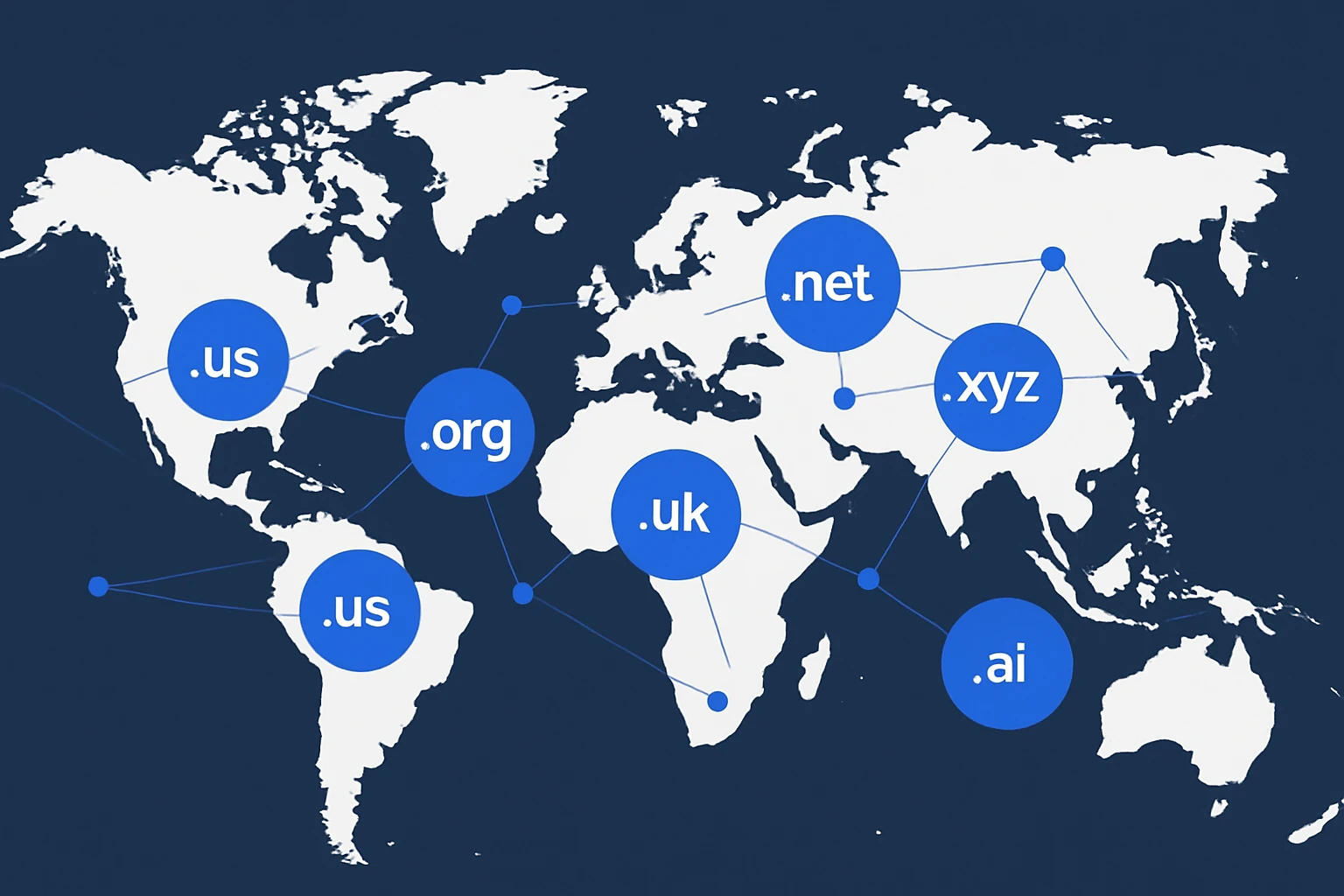
gTLDs (generic top-level domains) are the broad endings like .com, .org, or .net that are not tied to a specific country. ccTLDs (country-code top-level domains) are two-letter endings that map to a country or territory, such as .us, .de, or .jp. New gTLDs refer to recently introduced generic extensions that expanded the namespace beyond the traditional set. The distinction matters for branding, localization, and governance of the domain space. (icann.org)
ICANN’s New gTLD Program has been the primary mechanism by which the industry has expanded, allowing organizations to apply for customized domains that can reflect language, industry, or community identity. The program’s trajectory and current status are tracked by ICANN, including milestones and rounds of applications. (newgtldprogram.icann.org)
Where new gTLDs fit in the landscape
New gTLDs are not a replacement for established gTLDs or ccTLDs, they are a complement that can offer niche branding, geographic signaling, or industry specificity. The program’s evolution, including milestones and future rounds, remains a focal point for registries and registrants alike. (icann.org)
DNS context: why extensions matter technically
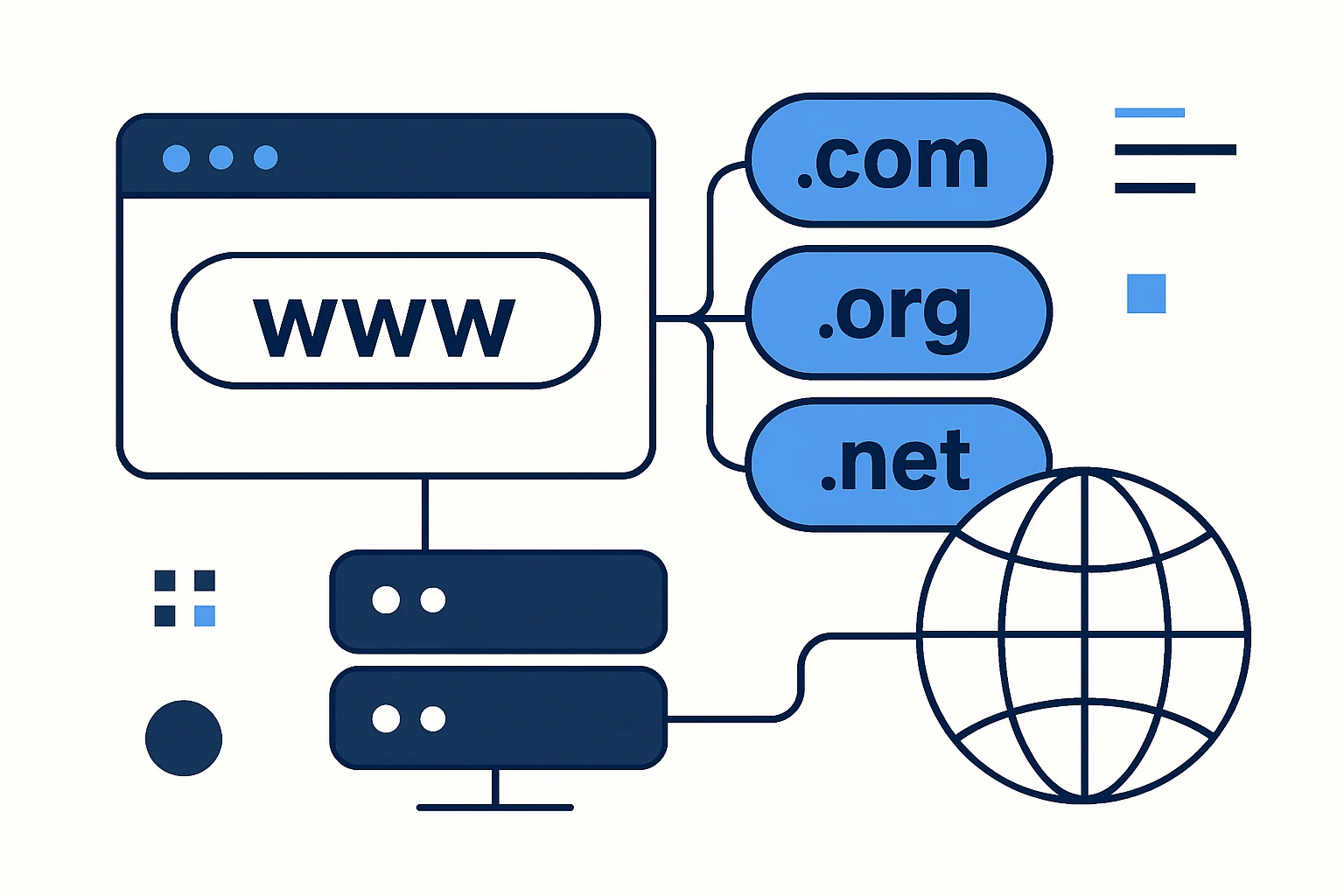
All domain extensions are part of the Domain Name System (DNS), a hierarchical system that translates memorable names into IP addresses. The DNS is central to reliability, security, and performance when users access your sites, email, and services. The DNS’s global infrastructure - root servers, registries, and resolvers - underpins every TLD. (verisign.com)
2) How to evaluate domain extensions for a global business
Choosing extensions should be driven by business goals, not trends. A practical approach considers geographic reach, brand strategy, user expectations, and regulatory considerations. Below is a framework to guide decision-making, followed by examples of how different extensions might fit common corporate needs. (verisign.com)
Geography and audience signals
ccTLDs can convey local presence and support country-specific search and user expectations. If your market strategy targets multiple countries, a portfolio that includes several ccTLDs alongside a global gTLD can reinforce local relevance while maintaining a consistent global brand. ICANN and registry literature emphasize the geographic signaling role of ccTLDs in the namespace. (newgtldprogram.icann.org)
Brand protection and naming availability
Brand owners often prioritize the primary .com name but may also register alternative gTLDs and select ccTLDs to prevent cybersquatting and spoofing. Availability, trademark considerations, and portfolio complexity must be weighed against cost and management overhead. The New gTLD Program’s expansion is part of a broader branding and protection strategy. (newgtldprogram.icann.org)
User trust, perception, and localization
Users may associate particular extensions with trust, security, or localization. While search engines evaluate pages on content and relevance rather than solely on TLD, user perception and local targeting can influence click-through rates and engagement. DNS reliability and performance underpin user experience regardless of extension. (verisign.com)
Regulatory and policy considerations
Some ccTLDs impose local registration requirements or ongoing policy constraints that differ from gTLD norms. It is essential to understand local policies, data residency expectations, and governance constraints when planning an international domain strategy. ICANN and registry documentation provide guidance on program concepts and compliance. (icann.org)
3) DNS and security: the backbone you can’t ignore
The DNS translates user-friendly domain names into machine-readable IP addresses. It is a distributed, hierarchical system that relies on root servers, registries, and resolvers to function globally. DNS integrity and privacy are increasingly important as cyber threats evolve, implementing best practices like DNSSEC can mitigate certain classes of attacks. (verisign.com)
Understanding the DNS path helps frame decisions about domain portfolios. A domain’s ending is not just branding, it determines which registry manages registrations, where data resides, and how security policies propagate across the network. The root zone (the top of the DNS hierarchy) is managed by a small number of root server clusters, a design choice that has persisted to support scale and stability. (en.wikipedia.org)
4) A practical decision framework: Domain Extension Decision Framework
Use the following framework as a structured checklist when assessing which extensions to deploy. It helps balance reach, identity, compliance, and cost in a clean, decision-oriented way.
- Geographic alignment: Do you need explicit geographic signaling (ccTLDs) or broad reach (global gTLDs)?
- Brand protection and availability: Is the exact name available in your preferred extensions, and what protection will you need against cybersquatting?
- User behavior and trust: How do target audiences perceive different extensions in your key markets?
- Regulatory landscape: Are there local policies or residency requirements that impact registration or data handling?
- SEO and localization strategy: Will you leverage geotargeting signals, and how will you structure content across domains?
- Operational cost and governance: What is the ongoing cost, renewal risk, and portfolio management complexity?
- DNS security and resilience: What measures (e.g., DNSSEC) are in place to protect users and brand integrity?
- Data residency and privacy: Where do registries keep data, and does that matter for compliance in your markets?
To operationalize this framework, plan a staged rollout: start with core global branding on a strong gTLD, add ccTLDs for priority markets, and selectively acquire new gTLDs that reinforce product lines or community branding. This approach aligns with how registries and policymakers view namespace expansion while keeping portfolio risk manageable. (newgtldprogram.icann.org)
Structured example: portfolio layering in practice
Imagine a multinational software company with core product identity on .com, market-specific requirements in several regions, and a community around a niche solution. A practical portfolio might include:
- Global primary: example.com
- Key markets: example.us, example.de, example.jp
- Product-specific or community TLDs: example.app, example.tech, example.services
5) Limitations, trade-offs, and common mistakes
Every portfolio choice comes with trade-offs. Below are frequently encountered limitations and missteps to watch for as you plan, build, and maintain a domain extension strategy.
- Overestimating SEO impact: A new gTLD or ccTLD does not automatically boost rankings, content relevance, user experience, and technical SEO practices remain the core drivers. Perceived authority can vary by market and user expectations, so plan for a holistic SEO and localization approach. (verisign.com)
- Underestimating management complexity: A larger portfolio increases renewal risk, policy compliance tasks, and security considerations. Establish governance, auditing, and lifecycle planning early. (newgtldprogram.icann.org)
- Ignoring local registration requirements: Some ccTLDs carry country-specific rules or residency requirements, failing to meet them can complicate ownership and branding. Always verify local policies before acquisition. (icann.org)
- Fragmented user experience: Inconsistent experiences across domains (e.g., different language content, currencies, or trust signals) can confuse users and reduce engagement. A coherent, localized content strategy helps mitigate this risk.
- Inadequate DNS security: Neglecting DNS security measures (e.g., DNSSEC, secure hosting, and robust DNS providers) can expose users to spoofing or cache-poisoning risks. Implement defense-in-depth for critical domains. (verisign.com)
6) Resource snapshot: where to access curated domain lists and TLD data
Operational teams frequently need structured data to support domain strategy, portfolio management, and risk assessment. Contemporary providers offer downloadable lists by TLDs, country, and technology categories, enabling portfolio audits, domain discovery, and risk monitoring. For teams evaluating specific categories - such as .services, .name, or .loan domains - look for reputable datasets that include registration scope, country coverage, and renewal terms. A practical starting point is to explore provider portfolios that organize domains by TLDs and other attributes. WebATLA's downloadable TLD lists and WebATLA TLD services offer structured data resources you can adapt for portfolio planning and compliance checks. (newgtldprogram.icann.org)
7) Practical actions you can take now
1) Map your target markets and define which extensions best signal local presence. 2) Audit existing domains for brand consistency and identify gaps in regional coverage. 3) Build a phased acquisition plan, starting with core global branding and adding strategic ccTLDs or industry-specific new gTLDs as needed. 4) Establish DNS security and monitoring practices across the portfolio to protect users and brand reputation. 5) Leverage reputable data sources to track portfolio coverage and renewal risk over time. The DNS backbone will be the constant that ensures users reach you reliably, regardless of extension. (verisign.com)
Conclusion: a disciplined, future-ready domain extension strategy
The domain extension decision is a strategic lever that shapes global reach, brand protection, and risk management. By understanding the namespace - gTLDs, ccTLDs, and new gTLDs - and applying a structured decision framework, you can craft a portfolio that aligns with geographic goals, regulatory realities, and DNS best practices. As the program for new gTLDs evolves, and as the registry landscape adapts to market needs, a disciplined, data-informed approach will remain essential. For teams seeking data-backed support, integrating vetted lists and portfolio tools can reduce risk while accelerating execution. (newgtldprogram.icann.org)