Choosing the right domain extension is not just a branding decision, it is a strategic signal that can affect reach, perception, and even how users and search engines navigate your online presence. The expansion of the domain namespace over the last decade has given us a broader palette - generics (gTLDs), country-code domains (ccTLDs), and a wave of new gTLDs. Making sense of this landscape requires more than a memorized list of extensions: it requires a framework for evaluating audience, geography, and operations. This guide distills that framework into practical steps you can apply to real-world branding and regional strategies. For deeper DNS insights, see dns-insights in our internal resources. (developer.mozilla.org)
Understanding the domain extension landscape
What are gTLDs, ccTLDs, and new gTLDs?
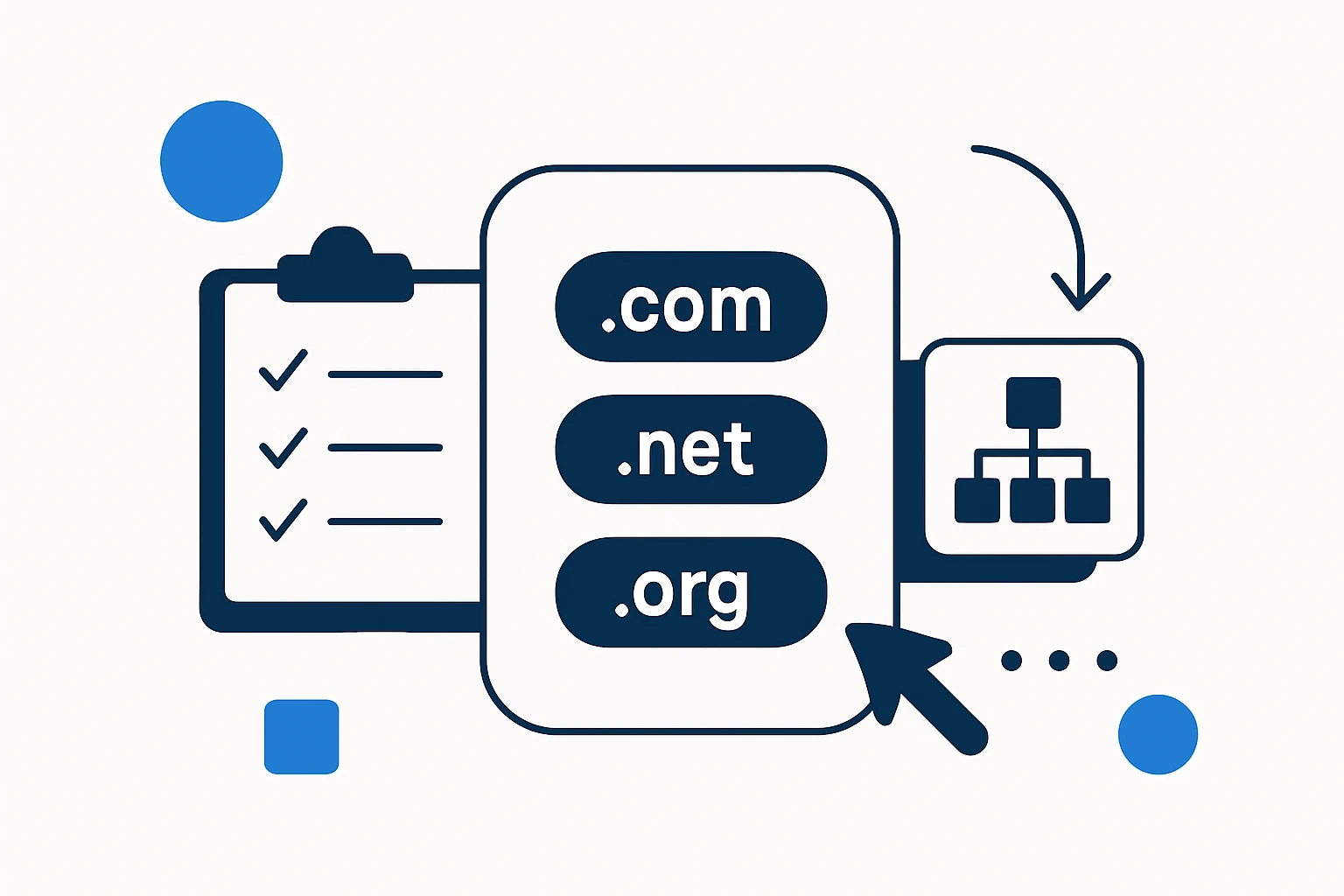
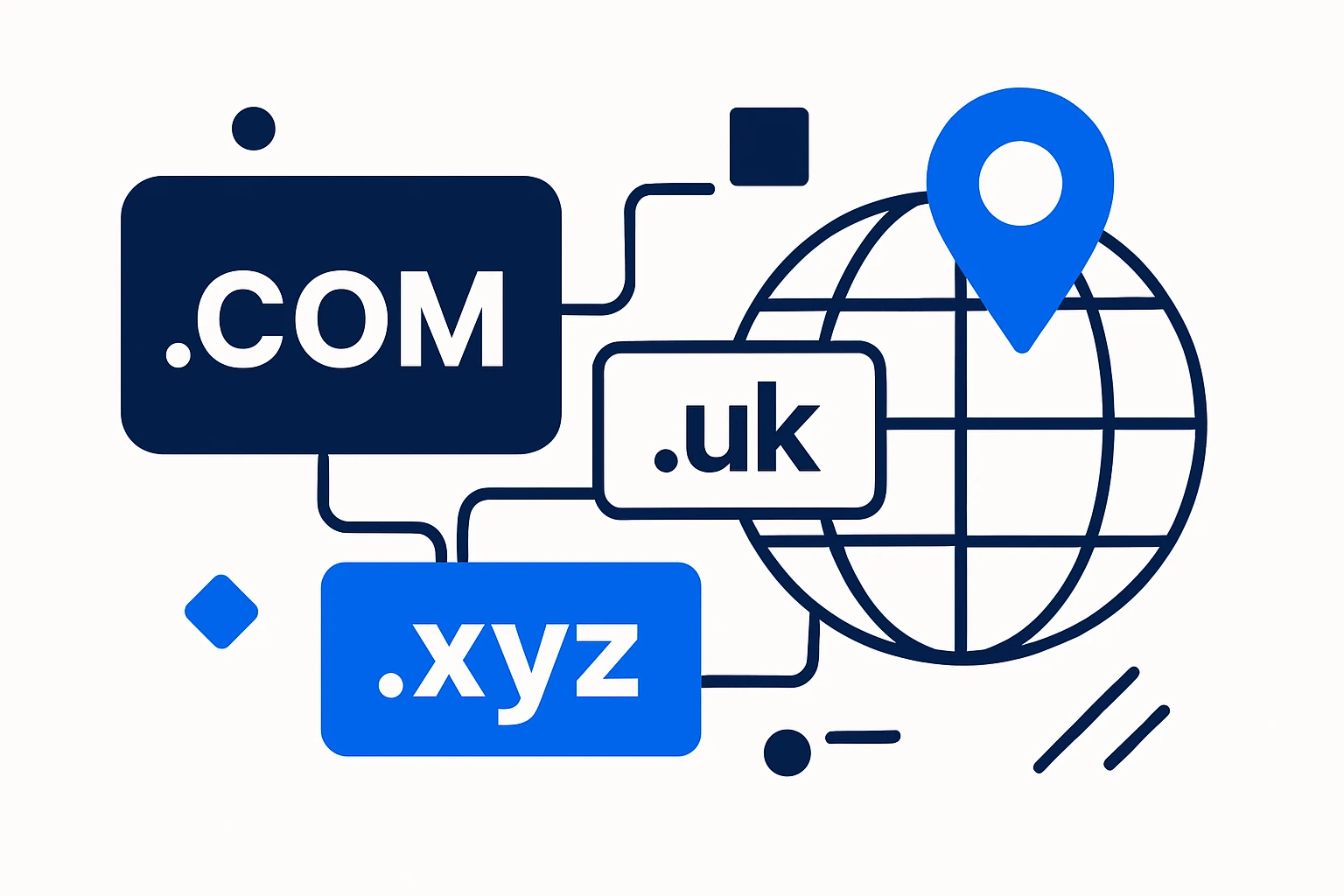
Top-level domains (TLDs) sit at the highest level of the domain name system (DNS). Generic top-level domains (gTLDs) include classic extensions such as .com, .org, and .net, and they are not tied to a specific country. Country-code top-level domains (ccTLDs) correspond to sovereign states or territories (for example, .uk, .de, .jp) and are typically used to signal a geographic focus. Since 2012, ICANN has overseen a program to introduce many new gTLDs, expanding the namespace well beyond the legacy set. The intent has been to boost competition, branding opportunities, and innovation in how organizations present themselves online. For a concise overview of the new gTLD program and its progress, see ICANN’s New gTLD Program materials and updates. (atlarge.icann.org)
The management and delegation of TLDs occur within a global governance framework, with guidance from ICANN and the IANA Root Zone Database. IANA maintains the authoritative root zone and provides a public view into which TLDs are delegated and active. For researchers and practitioners, the root zone database remains a primary source of truth for TLD status and categorization. (iana.org)
How TLDs fit into the DNS and user experience
The DNS translates human-friendly domain names into machine-readable addresses. The choice of a TLD can influence user expectations and trust, as well as the technical considerations involved in DNS configuration and management. For a clear explanation of how DNS works and why TLDs matter in day-to-day operations, see the MDN DNS glossary. (developer.mozilla.org)
Geography, branding, and SEO: what matters in practice
In practice, the decision to use a gTLD, a ccTLD, or a new gTLD is driven by three factors: audience geography, brand strategy, and operational capacity. Major brands often use a global core (commonly .com or another trusted gTLD) complemented by ccTLDs to reinforce regional targeting. Google's ongoing updates around country domains underscore that search engines continue to associate ccTLDs with regional intent, though recent shifts point to a broader, more nuanced approach to geotargeting that also leverages language and content signals. In short, while a ccTLD can convey a regional focus, Google’s guidance emphasizes the importance of accuracy in content language, hreflang tags, and consistent signals across variants. (blog.google)
From an SEO perspective, there is no single universal rule: Google treats gTLDs and ccTLDs differently depending on context, and it uses a combination of signals - domain, content, hosting, and backlinks - to determine regional relevance. A practical takeaway is to align your TLD strategy with your actual audience and market presence, rather than chasing perceived SEO advantages tied to a specific extension. For developers and marketers, this means pairing canonical signals like hreflang with a consistent international structure, whether you choose ccTLDs, subdirectories, or language-specific pages on a single domain. (developers.google.com)
Domain name statistics provide a helpful macro view of the ecosystem. The Domain Name Industry Brief (DNIB) tracks global registrations across gTLDs, ccTLDs, and new gTLDs, illustrating continued growth and changing composition over time. The latest quarterly data show hundreds of millions of registrations with new gTLDs contributing a meaningful portion of growth, alongside robust ccTLD and legacy gTLD activity. This data helps frame risk and opportunity when planning a multi-TLD strategy. (blog.verisign.com)
A practical decision framework for choosing TLDs
Below is a concise framework you can apply when deciding which extensions to pursue. It is designed to be actionable for teams juggling branding, localization, and technical logistics.
- Step 1 - Define audience and geography: Map where your customers live and which language(s) they use. If your core market is in multiple countries, ccTLDs can reinforce local relevance, while a global audience might be better served by a versatile gTLD or a strategically chosen new gTLD. See tld-database as a reference for the landscape.
- Step 2 - Align with brand and trust signals: A well-known gTLD such as .com frequently signals global credibility, while ccTLDs can support regional trust. Consider how each extension affects perceived authority in key markets. For institutional or multinational brands, think about brand consistency across domains and how users will navigate among them. country-code domains often appear in regional campaigns and digital assets. (developers.google.com)
- Step 3 - Plan DNS and hosting alignment: Evaluate operational capacity to maintain multiple TLDs, including renewal costs, DNS configuration, and monitoring. The DNS is a shared, global infrastructure, robust management reduces risk of outages and misrouting. See the MDN DNS glossary for a practical sense of how DNS works in real deployments. (developer.mozilla.org)
- Step 4 - Establish a governance and measurement plan: Decide how you will measure success (traffic, conversions, brand searches) and what governance rules you’ll apply (redirection, canonicalization, hreflang). As part of ongoing governance, stay updated with ICANN and DNS ecosystem developments, including new gTLD program milestones and security considerations. For an overview of program updates, consult ICANN’s New gTLD Program materials. (newgtldprogram.icann.org)
A quick-reference framework you can apply now
To distill the decision process, consider this compact framework that translates the steps above into a practical checklist. This is especially helpful when presenting to stakeholders or product teams who need a clear rationale for TLD choices.
- Scope: Global (gTLD) vs regional (ccTLD) vs niche branding (new gTLDs). The choice signals intent to users and potential partners across regions.
- SEO signals: While ccTLDs can help with regional signals, Google emphasizes a mix of factors including hreflang, content relevance, and backlinks. Don’t rely on TLD alone as a silver bullet. (developers.google.com)
- Management complexity: More domains mean more maintenance. Assess internal capacity for DNS, security (DNSSEC), renewals, and monitoring before committing to a large portfolio.
- Brand protection: A broad portfolio can guard against cybersquatters and brand misuse in key markets, but it also demands a clear policy for domain acquisition and dispute resolution.
- Cost and risk: Beyond registration fees, consider renewal economics, SSL coverage, and potential traffic redirection costs. Use the DNIB data as a market backdrop for planning. (blog.verisign.com)
Limitations, trade-offs, and common mistakes
- Over-portfolioing: Pursuing every new gTLD can dilute focus and inflate costs without delivering proportional benefits. The growth in new gTLDs is real, but adoption and renewal rates vary by extension and market. This is a common misstep for small teams that try to chase every extension. (blog.verisign.com)
- Ignoring localization signals: Even with ccTLDs, neglecting hreflang, language, and local content can undermine SEO. Google’s guidance highlights the importance of language and regional signals beyond TLD choice. (developers.google.com)
- Underestimating operational overhead: Managing a multi-TLD strategy requires disciplined DNS administration, registrar relationships, and security measures (DNSSEC, monitoring). The DNS is a shared infrastructure, errors here propagate across domains.
- Assuming TLDs alone drive rankings: TLDs are not a replacement for quality content and user experience. A robust international SEO strategy relies on a combination of signals, including hreflang, tailored content, and authoritative backlinks. (developers.google.com)
Structured block: a practical framework in one view
- 1) Audience map - Identify where your users are, their languages, and their search behavior. Link to dns-insights for a deeper dive into audience and DNS considerations.
- 2) Extension taxonomy - Decide between gTLDs, ccTLDs, or new gTLDs based on geography and brand strategy. See new-gtld-list for context on program breadth.
- 3) Technical readiness - Audit DNS, hosting, SSL, and renewal processes. Reference to tld-database for a quick landscape scan.
- 4) Governance - Establish measurement KPIs, update cadence, and ownership. Use domain-statistics as a benchmark.
Real-world perspectives and case scenarios
Consider two archetypes that illustrate the decision framework in action:
Global retailer: A multinational brand might anchor its online presence with a strong global gTLD like .com and then deploy ccTLDs for key markets (for example, company.de, company.fr, company.jp) to reinforce local relevance. This approach can balance universal brand authority with region-specific signals, and it aligns with best-practice discussions from major DNS governance bodies and industry observers. As markets evolve, new gTLDs can supplement this strategy if a particular extension aligns with a regional program or campaign. (blog.verisign.com)
Local service provider: A small business serving a single city or region may prioritize a local ccTLD or a regionally targeted gTLD to signal proximity and trust. In this scenario, content localization, fast regional hosting, and local reviews become the primary SEO signals, while the TLD reinforces the geographic association rather than dictating it. Google’s guidance emphasizes that TLDs are one of many signals in a broader international strategy. (developers.google.com)
Where to start: resources and practical next steps
For teams ready to explore the domain extension landscape further, a few practical steps can help anchor your plan:
- Audit your current portfolio: Which extensions point to your core brand and regions? Identify gaps that could represent risk or opportunity.
- Map markets to signals: Correlate audience geography with potential TLDs and language variants to ensure a coherent experience across touchpoints.
- Validate with data: Use the latest DNIB data to understand the growth and renewal dynamics across gTLDs, ccTLDs, and new gTLDs. This helps align strategy with market realities. (blog.verisign.com)
- Engage stakeholders: Bring product, marketing, and IT together to design a phased roll-out that prioritizes high-impact markets first and scales as needed.
- Leverage partner resources: Explore the client-backed registry information on the WebAtla platform for curated lists by TLDs and by country for faster benchmarking. See WebAtla’s TLD catalog for practical references.
Conclusion
The domain extension landscape is robust, but not monolithic. The best path depends on your audience, brand ambitions, and operational capacity. A thoughtful mix of gTLDs, ccTLDs, and, where appropriate, new gTLDs can unlock both global reach and regional relevance. The DNS and governance environment continue to evolve, with ICANN and registries steering a path toward greater choice and security. By grounding decisions in audience mapping, brand strategy, and practical DNS readiness, you can build a resilient, scalable domain portfolio that supports your business goals - and do so in a way that feels natural to users, not just optimized for search engines. For further exploration of TLD options and pricing, see the linked resources on WebAtla and HostingFlow’s domain database areas.
For ongoing updates on the domain namespace and the health of the DNS ecosystem, keep an eye on ICANN’s and Verisign’s reporting dashboards, which provide regular milestones and market data. This is not about chasing the newest extension for vanity, it’s about making informed choices that align with audience, trust, and long-term site stability.
References and further reading: ICANN New gTLD Program materials, Google Search Central guidance on international sites, and Verisign Domain Name Industry Brief quarterly reports provide authoritative context for how the namespace is evolving and how search ecosystems interpret TLD signals. Key sources include the ICANN New gTLD program pages, Google’s country-domain updates, and Verisign’s quarterly DNIB data. (newgtldprogram.icann.org)