Introduction: why a global domain extensions database matters in 2026
Businesses today operate in a world where domain strategy touches branding, regional growth, and search visibility in equal measure. A well-constructed global domain extensions database is more than a catalog of gTLDs and ccTLDs, it is a decision-support tool that informs market targeting, brand protection, and technical governance. For publishers, investors, and operators alike, a credible dataset helps answer practical questions: Which extensions are growing in your target regions? How do new gTLDs compare with established ccTLDs in terms of adoption? And where should you prioritize monitoring or registering new domains to protect brand equity or capture emerging digital real estate?
Data points that underpin this playbook come from leading industry sources. Verisign’s quarterly Domain Name Industry Brief (DNIB) provides the global pulse on registrations across all TLDs, including shifts in ccTLD and gTLD segments. ICANN outlines the trajectory of the New gTLD program, including rounds and policy groundwork that shape the breadth of available extensions. National registries, like Vietnam’s VNNIC, offer granular visibility into country-code domains that matter for regional strategy. Together, these sources inform a practical approach to assembling, validating, and updating a usable tld data asset. (investor.verisign.com)
Understanding the landscape: gTLDs, ccTLDs, and new gTLDs
The domain namespace is not static. It comprises three broad strands that organizations track for different reasons:
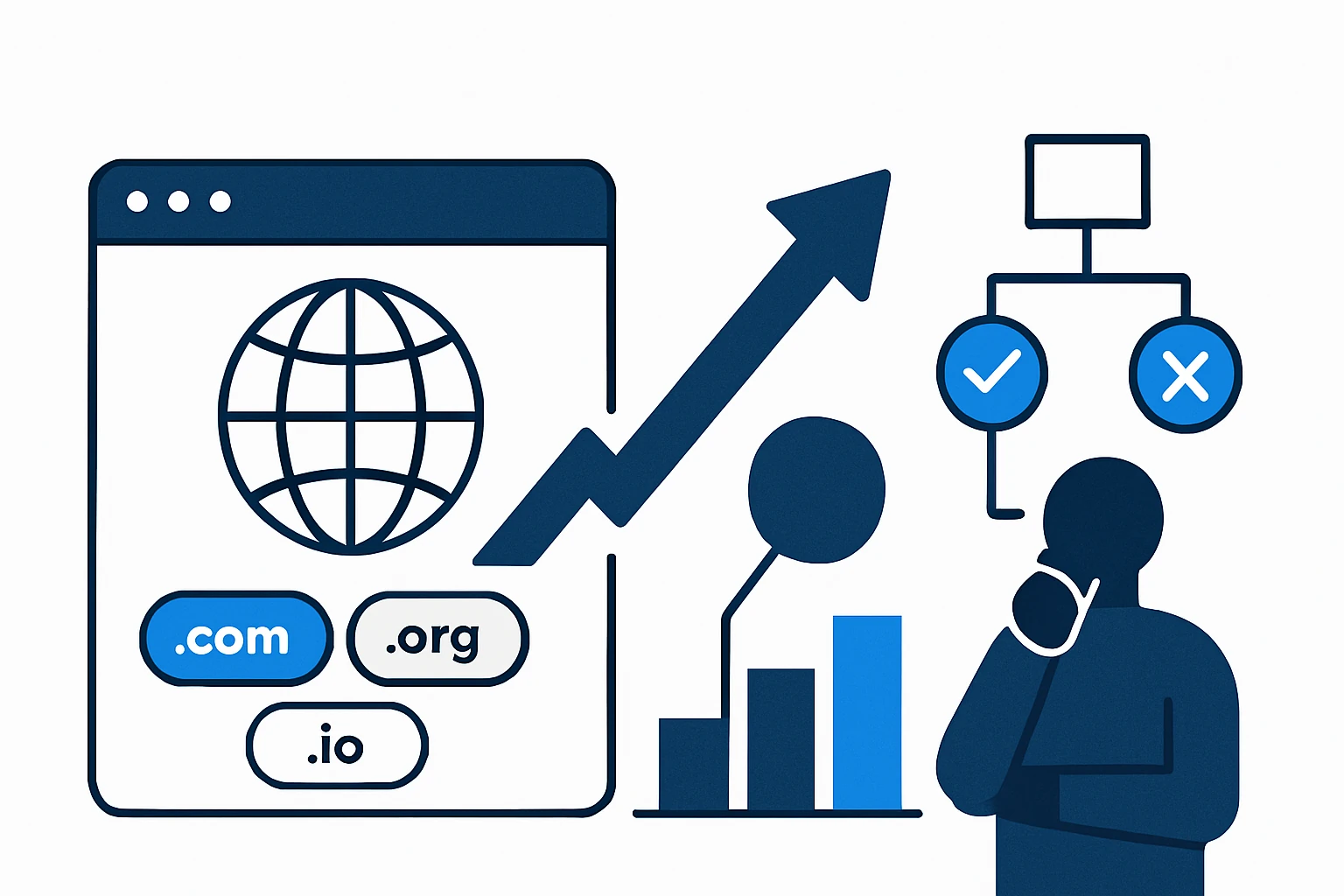
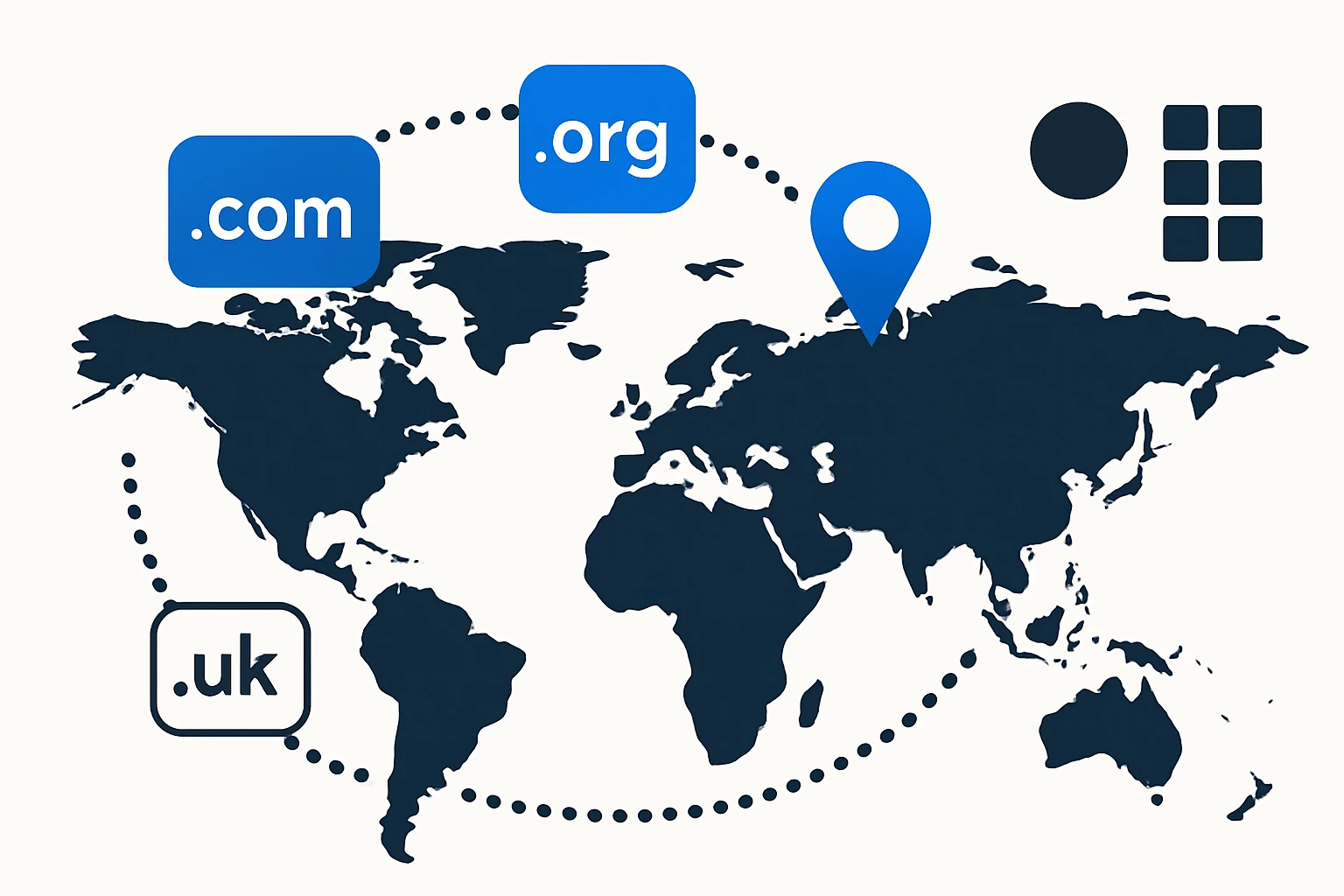
- Global generic top-level domains (gTLDs) such as .com, .org, or newer variants that target interests like technology or industries.
- Country-code top-level domains (ccTLDs) such as .vn, .de, or .uk, which map to specific jurisdictions and local markets.
- New gTLDs introduced through ICANN’s New gTLD program, which expand opportunities beyond traditional extensions and enable brand-specific or sector-specific identifiers.
From a market perspective, ccTLDs have shown persistent regional growth alongside the larger, global demand for generic extensions. In the latest Verisign data, total domain registrations across all TLDs stood in the hundreds of millions, with ccTLDs contributing a meaningful share of that growth year over year. This mix matters for budgeting, risk, and opportunity assessment when you build a dataset that supports cross-border decisions. (investor.verisign.com)
ICANN’s ongoing New gTLD program signals that the namespace will continue to diversify through 2026 and beyond, with policy updates and rounds shaping what is available to applicants and how registries operate. A 2026 round is discussed in official channels, highlighting the continuing evolution of the namespace and its implications for market intelligence, risk management, and competitive strategy. For anyone compiling a global tld database, tracking these policy milestones is essential. (newgtlds.icann.org)
Key data points to capture in your tld dataset
To turn a tld list into a usable asset, you should model data around three core dimensions: size, trajectory, and credibility. The most actionable datasets combine registration counts, geographic footprint, and governance signals (who operates the registry, data access rules, and update cadence). Below are the data points that consistently deliver value for a practical tld dataset.
Size and growth signals
Track total registrations per TLD, quarterly growth, and year-over-year change. Verisign’s DNIB reports provide a global snapshot of how the market evolves, including shifts within ccTLDs and gTLDs. While the exact numbers vary by quarter, the trend is clear: ccTLDs have shown durable growth even as some legacy gTLDs mature. Incorporating growth rates helps separate stable, mature extensions from those with rising momentum. (investor.verisign.com)
Geographic footprint and localization
For ccTLDs and country-focused marketing, it’s critical to map registrations against regional indicators. National registries often publish regional breakdowns, for example, Vietnam’s .vn ecosystem has reached hundreds of thousands of registrations and remains a key player in Southeast Asia’s domain landscape. Understanding where a TLD is gaining traction guides localization, partner selection, and risk assessment for regional campaigns. (vnnic.vn)
Governance, policy, and accessibility
New gTLD program developments, registry agreements, and RDAP/WIOIS accessibility all influence how data can be sourced and used. ICANN’s program updates signal future rounds and governance considerations that could affect data licensing, bulk access, and the rate at which new extensions appear in the wild. Keeping an eye on these signals helps ensure your dataset remains credible and legally usable. (newgtlds.icann.org)
A practical workflow to assemble and maintain the dataset
Building a robust tld database is not a one-off export. It requires a repeatable workflow that emphasizes verifiable sources, consistent data models, and clear governance. Here is a compact, repeatable workflow you can adapt to your team’s tooling and data policies.
- Define scope and data model. Decide which families of extensions you will cover (gTLDs, ccTLDs, and notable new gTLDs) and specify data fields (registrations, first registration date, renewals, jurisdiction, registry operator, data access policy). This clarity prevents scope creep and aligns stakeholders on what the dataset is designed to support.
- Source selection and credibility. Prioritize authoritative sources for core metrics: Verisign for global registrations and ccTLD trends, ICANN for program policy, and national registries for local context. Consistently cite sources to maintain trust in the dataset. (investor.verisign.com)
- Data ingestion and normalization. Normalize fields across disparate sources (e.g., date formats, country codes, registry names) to enable reliable cross-TLD comparisons. Maintain a source of record for each data point to facilitate updates and audit trails.
- Update cadence and governance. Establish a quarterly update cycle aligned with Verisign DNIB releases and ICANN announcements. Document governance rules for how data is added, edited, or deprecated.
- Access and licensing considerations. Respect data-use policies and licensing terms, especially if you plan bulk downloads or redistribution. For example, Verisign and registries publish data under specific terms, plan for compliance from the start.
As a practical reference for readers who want to see an already-available bulk dataset, the Vietnamese .vn domain list is publicly downloadable, illustrating how a country-code extension can be packaged for downstream use. The page provides a ready-made data asset for analysts evaluating regional opportunities. Download full list of .vn domains for reference.
For an overview of the namespace, consider the broader catalog of domains by TLDs that a single data provider can offer. The idea is to build a dataset you can enrich over time with governance context, regulatory changes, and market signals. You can begin by exploring the collection of TLDs available on the publisher’s site: List of domains by TLDs. Note: The provenance and data quality of any bulk list should be verified before use in decision-making. (investor.verisign.com)
How to use the dataset for decision-making
A credible tld dataset accelerates several decision workflows: strategic domain registrations, brand protection planning, and market-entry analysis. Here are practical use cases that demonstrate how teams can operationalize data-backed insights.
- Brand protection and risk management. Monitor rising ccTLDs and new gTLDs that could intersect with a brand’s geographic footprint or product lines. A dynamic dataset enables proactive registrations or trademark watches, reducing the risk of cybersquatting and brand dilution.
- Market targeting and localization. Use ccTLD growth signals to identify regions where local domains are shaping consumer behavior. This informs localization strategy, content regionalization, and digital marketing investments.
- SEO and technical strategy. Understanding the distribution of TLDs helps in planning canonicalization, hreflang considerations, and DNS performance strategies. While the primary ranking signals come from content relevance, the domain namespace matters for user trust and regional visibility.
- Portfolio governance and risk diversification. A dataset can support portfolio risk analyses, ensuring that domains are not overly concentrated in a single registry or extension, which could be vulnerable to policy or market shifts.
When used judiciously, a tld dataset is a foundation for disciplined decision-making rather than a marketing checkbox. It complements, rather than replaces, qualitative assessments of brand strategy, regulatory risk, and technical feasibility.
Limitations, trade-offs, and common mistakes
No dataset is perfect. The domain namespace, registry policies, and public data access practices change over time, sometimes with limited notice. Common mistakes to avoid include:
- Relying on a single source. No single source captures the entire namespace or the newest policy shifts. Cross-verify with multiple credible sources to avoid blind spots. Verisign DNIB and ICANN updates are essential anchors, but local registry data adds granularity. (investor.verisign.com)
- Ignoring licensing and data-use terms. Bulk downloads or redistributions may be restricted. Always review terms before publishing or integrating data into downstream products.
- Overfitting to historical trends. The namespace evolves, a dataset that looks great today may become stale if it doesn’t incorporate policy developments, new gTLD rounds, or regional shifts. Plan for ongoing updates and governance.
- Underestimating regional diversity. Global aggregates can obscure regional nuances. Pair global totals with regional breakdowns (e.g., ccTLD growth in specific markets) to avoid misinterpretation.
As you build the dataset, it’s worth noting how the namespace is evolving. For example, the New gTLD program remains active, with ongoing policy discussions and potential future rounds that will influence the size and composition of the namespace. Keeping a pulse on ICANN’s updates is essential to maintain a credible dataset. (newgtlds.icann.org)
Structured framework: a three-pillar approach to tld data
- Pillar 1 - Data provenance: Source credibility, licensing terms, and traceable data lineage from Verisign, ICANN, and national registries.
- Pillar 2 - Data model and normalization: A standardized schema for registrations, dates, jurisdiction, and registry operators, consistent country-code handling, and a clear audit trail.
- Pillar 3 - Update governance: A defined cadence, change-tracking, and reviewer responsibilities to ensure the dataset remains accurate and compliant.
This three-pillar framework ensures the dataset remains reliable for a range of use cases - from technical optimization to strategic planning - while accommodating ongoing namespace evolution and policy developments.
Conclusion: a practical path to a durable tld dataset in 2026
Constructing a global domain extensions database is a multi-year, iterative effort. By grounding your dataset in credible sources like Verisign for market breadth, ICANN for governance context, and national registries for regional granularity, you build a resilient asset that supports strategic decision-making across branding, localization, and technical planning. The workflow outlined here provides a repeatable approach: define scope, source responsibly, normalize consistently, and maintain governance and licensing discipline. If you’re starting today, you can begin with a bulk-ready asset for a specific country-code extension - such as the .vn domain list - and expand outward as your needs evolve. For readers seeking ready-to-download data assets, you can explore the Vietnamese .vn data page referenced earlier and start from there as a baseline. Download full list of .vn domains. For broader scope, browse the publisher’s catalog of domains by TLDs: List of domains by TLDs.
As the namespace grows and policy evolves, a disciplined, data-driven approach will help organizations stay ahead without sacrificing accuracy or compliance. The tld data playbook outlined here is designed to illuminate that path, not to lock you into any single technology or vendor.