Introduction: The real cost of choosing the wrong domain extension
For brands, startups, and organizations with ambitions to go global, the first foreign policy of online presence is choosing the right domain extension. The decision isn't just about a name, it signals geography, credibility, and reach. A misaligned choice can slow international growth, complicate local marketing, and create brand protection gaps. In practice, the right mix of domain extensions blends global visibility with local resonance, while staying technically sound in the Domain Name System (DNS) foundation that underpins every website. Understanding how TLDs work, and how DNS supports them, is the practical starting point for a defensible domain strategy. (icann.org)
Understanding the TLD landscape: gTLDs, ccTLDs, and the appeal of new gTLDs
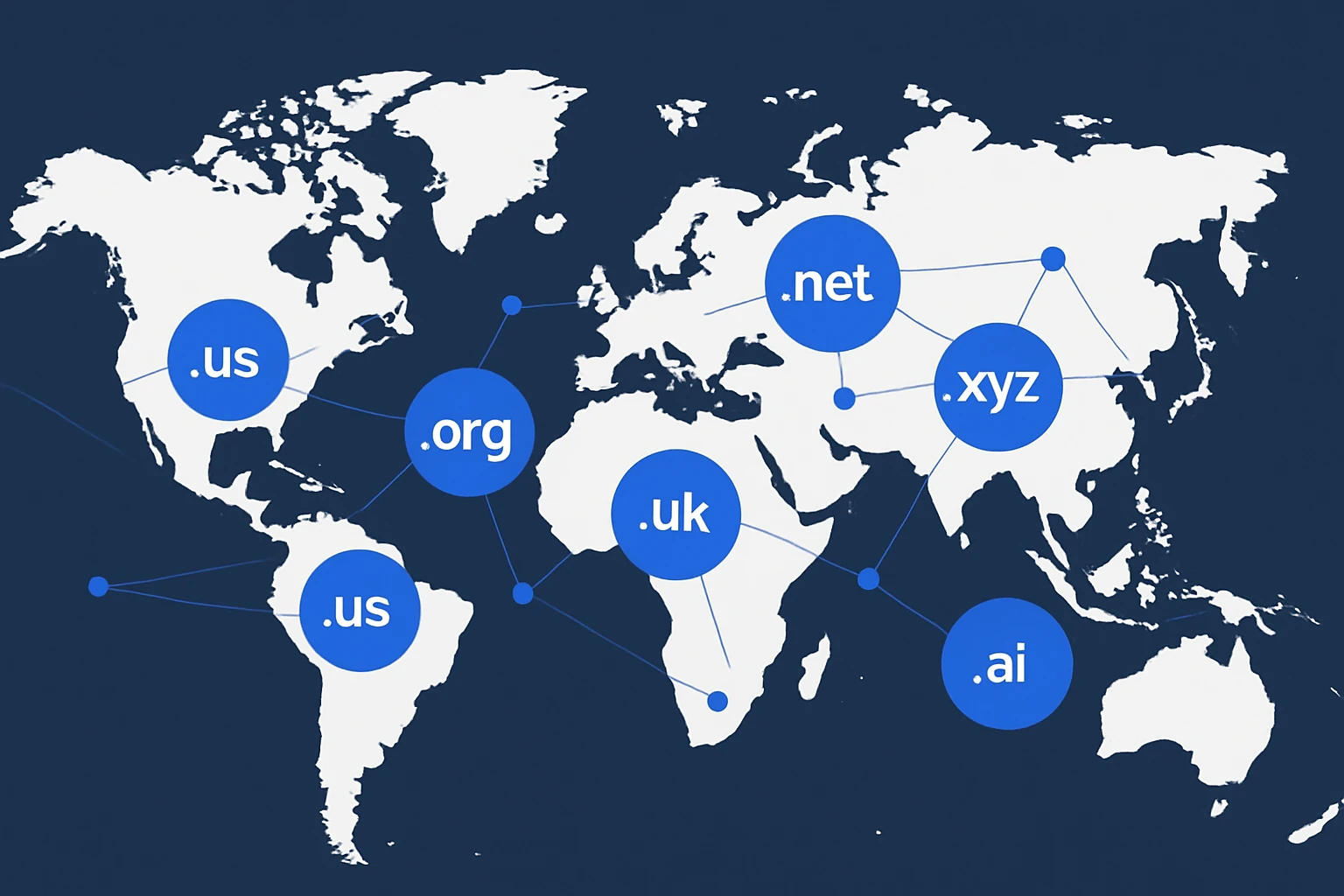
Top-level domains (TLDs) sit at the top of the DNS hierarchy. They come in several flavors: generic TLDs (gTLDs) like .com, .org, and newer additions, country code TLDs (ccTLDs) like .us, .de, and .jp, and the evolving set of new gTLDs introduced through ICANN’s program. The landscape has expanded significantly since ICANN opened the door to new gTLDs, with a framework designed to diversify branding, language localization, and sector-specific identity. For readers curious about the expansion process and its implications, ICANN’s New gTLD Program provides the authoritative overview and status updates. (newgtldprogram.icann.org)
One practical takeaway: a brand aiming for broad, multinational reach often benefits from a global gTLD presence (like .com or a globally recognizable brand TLD) paired with ccTLDs for key markets to signal local relevance. The governance and policy differences between gTLDs and ccTLDs - such as contract structures, pricing, and local regulatory considerations - are an important part of the decision. For a deeper dive into the policy differences and practical implications, industry perspectives summarize these trade-offs for marketers and operators alike. (dn.org)
The DNS backbone: how domain extensions map to the online world
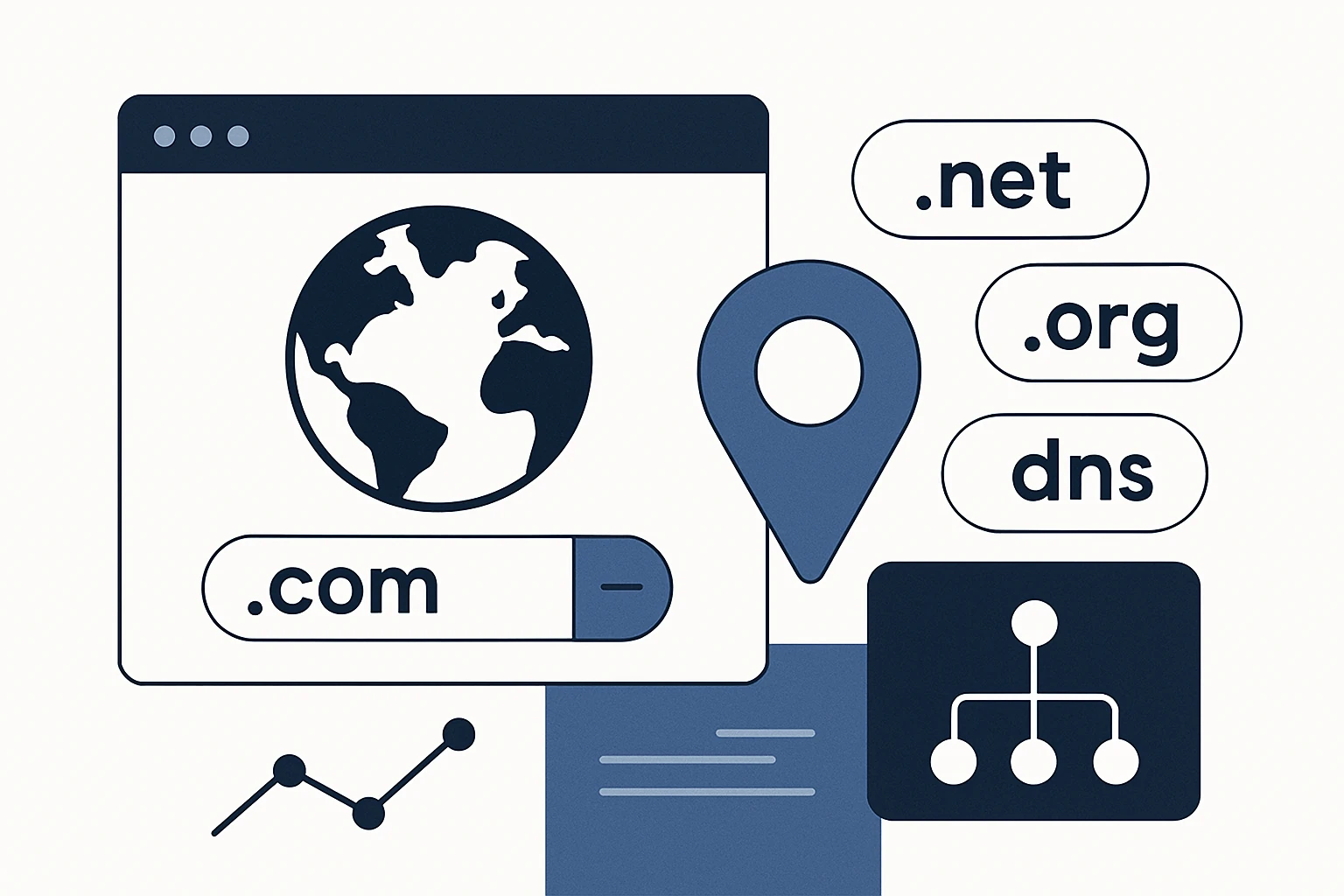
Domain extensions only make sense when viewed through the DNS - the system that translates memorable names into machine addresses. The DNS is a hierarchical directory that ultimately guides a user’s browser to the correct server. This mechanism underpins every domain extension you invest in, from legacy gTLDs to the latest new gTLDs, and it’s coordinated through a collaboration of registries, registrars, and root zone management. As a reminder, the DNS exists to make the Internet navigable, the exact protocols, security measures, and governance structures all contribute to stable, global reach. For a concise explanation of what the DNS is and why it matters, Verisign’s overview is a solid starting point. (verisign.com)
In practice, decisions about domain extensions should account for DNS operations: how DNS resolution shows up in users’ experiences, how DNSSEC and related security practices protect the chain of trust, and how changes in the root zone are managed. Understanding these elements helps prevent surprises in deployment, such as unexpected downtime or misrouted traffic when new domains launch or when traffic shifts across markets. Verisign and ICANN provide accessible primers on these topics for engineers and business decision-makers alike. (blog.verisign.com)
A practical decision framework: pick the right domain extensions without the pain
Selecting domain extensions should be a decision-driven process, not a checkbox exercise. The following framework offers a practical path from goal setting to deployment, with notes on what to watch for at each step.
- Step 1 - Define goals and geography: Identify which markets matter most, whether global branding or local credibility is the priority, and how a domain extension might reinforce that strategy. Link this to business objectives, not a heuristic about what’s popular.
- Step 2 - Map branding with availability: List target domains under both global and local TLDs, checking availability and potential trademark concerns. Consider whether a brand-specific TLD (or a country code TLD) would strengthen trust in a given market.
- Step 3 - Assess DNS and hosting considerations: Evaluate how DNS configurations will be managed across extensions, including registrar support, DNSSEC readiness, and the practicality of 301 redirects from non-primary domains to the main site. The DNS foundation is the quiet enabler of traffic flow across extensions. (verisign.com)
- Step 4 - Plan governance, risk, and cost: Compare ongoing costs, renewal risks, and policy differences between gTLDs and ccTLDs. Some ccTLDs have local requirements or pricing dynamics that can impact long-term strategy, others offer favorable local incentives. A balanced view is essential to avoid budgetary surprises. (dn.org)
- Step 5 - Implement with a clear redirection and protection plan: Use a phased deployment with clear redirects and brand protection measures (e.g., reserved names, monitoring for infringement) to preserve user experience and search equity as you expand.
To operationalize this, consider a formal decision framework that teams can reuse across campaigns. The core idea is to pair each market or audience with an appropriate extension (or set of extensions) and to align technical implementation with business objectives. This approach minimizes risk and keeps the focus on user experience across geographies. For readers who want a ready-made directory during planning, WebAtla offers a comprehensive TLD directory you can consult as you map extensions. WebAtla's TLD directory.
Structured block: a Domain Extension Assessment Framework
The following framework translates the decision steps into a reproducible checklist you can apply to any project. Use it to ensure consistency across teams and markets.
- Market relevance - Does the extension align with the target audience or country intent?
- Brand alignment - Does the extension strengthen or dilute brand perception?
- DNS readiness - Can you reliably host and resolve the domain in your current infrastructure?
- Cost and risk - What are the ongoing fees, renewal risks, and regulatory considerations?
- Migration and redirects - Are there clear plans to redirect traffic and preserve SEO value?
Practical considerations: benefits, trade-offs, and common mistakes
Choosing domain extensions is a long-term commitment. While broader coverage can boost global reach, it can also introduce management complexity and brand risk if not executed carefully. Here are key trade-offs to keep in mind:
- Global reach vs local relevance: A broad gTLD like .com signals global intent, while ccTLDs such as .de or .jp can signal local relevance. The right mix depends on your markets and product strategy.
- SEO signals: Historically, ccTLDs may have local search advantages in certain markets, but search engines increasingly treat many TLDs as generic signals. A structured, well-implemented redirect strategy is crucial.
- Operational burden: Each additional extension adds renewal management, DNS configuration, and potential risk if not monitored. Prioritize extensions that serve a strategic purpose, not merely presence.
- Brand protection: Use protective registrations for key brands and translations to avoid cybersquatting or confusion in markets where your brand is expanding.
Limitations and common mistakes
Even with a rigorous framework, several mistakes are common when teams rush through domain extension decisions:
- Over-optimizing for the short term - Securing every new gTLD without a clear long-term plan can lead to bloated management costs and confusing user experiences.
- Ignoring local regulations - Some ccTLDs impose local requirements or fees that change over time, failing to anticipate these can disrupt renewal cycles or introduce compliance risks.
- Weak redirection strategy - Without proper 301 redirects and canonicalization strategies, SEO equity can split across multiple domains rather than consolidating on the primary site.
- Lack of brand protection - Not registering critical variants or translations can invite confusion or misrepresentation in key markets.
Putting it into practice: a quick checklist for teams
Use this actionable checklist when evaluating a new or existing domain portfolio:
- Define target markets and audience segments for the next 24–36 months.
- List preferred domain extensions by market and ability to secure them.
- Assess DNS readiness and registrar support, confirm DNSSEC readiness where applicable.
- Plan a phased deployment with redirects, canonical signals, and brand protection measures.
- Estimate total cost of ownership, including renewals and security investments.
Integrating the client: practical, editorially justified guidance
The domain strategy you read here is about clarity and measurable impact. While a well-chosen extension portfolio can support international growth, implementation should remain pragmatic and editorially justified. For teams evaluating domain listings in bulk, a centralized directory such as WebAtla’s TLD listings can expedite discovery and validation. When you need a quick price-check or audit, the client’s pricing resource can help gauge cost implications across portfolios. Explore pricing and RDAP & WHOIS database as you finalize registrations, and refer to WebAtla's TLD directory for quick access to domain lists by TLD.
Case illustration: a multinational brand’s phased extension rollout
Imagine a consumer electronics brand planning regional launches in the United States, Germany, Japan, and Brazil over the next two years. A practical rollout could look like this:
- Primary global presence with .com and a brand-protection strategy across a small set of targeted gTLDs (e.g., .store, .tech) to support product lines and campaigns.
- Localized ccTLD registrations for Germany (.de), Japan (.jp), Brazil (.br), and the United States (.us) to improve local trust and search signals where appropriate.
- Structured redirects to maintain SEO equity and ensure a clean user journey from all variants to the primary site.
- Ongoing monitoring for brand infringement and renewal risk, with a plan to consolidate or sunset extensions as markets mature.
The success of this approach hinges on disciplined DNS management, clear governance, and a measurement framework that ties domain choices to business outcomes - traffic, conversions, and brand sentiment in each market. The DNS and policy context provided by ICANN and Verisign underpins reliable execution and long-term stability as you expand. (newgtldprogram.icann.org)
Conclusion: a disciplined, market-aware approach to domain extensions
Domain extensions matter, but they matter most when aligned with business goals, local market context, and a solid DNS foundation. The best practice is to treat TLD selection as a strategic lever rather than a one-time purchase. Employ a framework that balances global reach with local relevance, maintains rigorous DNS operational standards, and protects brand integrity across markets. For teams seeking a centralized resource during planning or ongoing research, the domain extensions directory and related services offered by WebAtla provide practical, editorially useful references to support informed decisions. As you plan, remember that the DNS undergirds every extension you choose: a stable, secure, and scalable DNS is the quiet enabler of global digital success. (icann.org)