Introduction: why a domain extension still matters in 2026
When you stand up a new online presence, the choice of domain extension is more than a cosmetic detail. It signals trust, clarifies geography, and can influence user perception and response. The ecosystem has expanded far beyond the classic .com, global registries report hundreds of millions of domain names across all top-level domains (TLDs). By the end of 2025, the internet hosted about 386.9 million domain name registrations across all TLDs, a marker that demonstrates both scale and ongoing evolution of the domain space. DNIB confirms that growth came from .com/.net as well as new gTLDs and country-code TLDs (ccTLDs). This context matters for any strategy that seeks to search all domain extensions with practical intent. (investor.verisign.com)
What a TLD is and why it matters for your brand
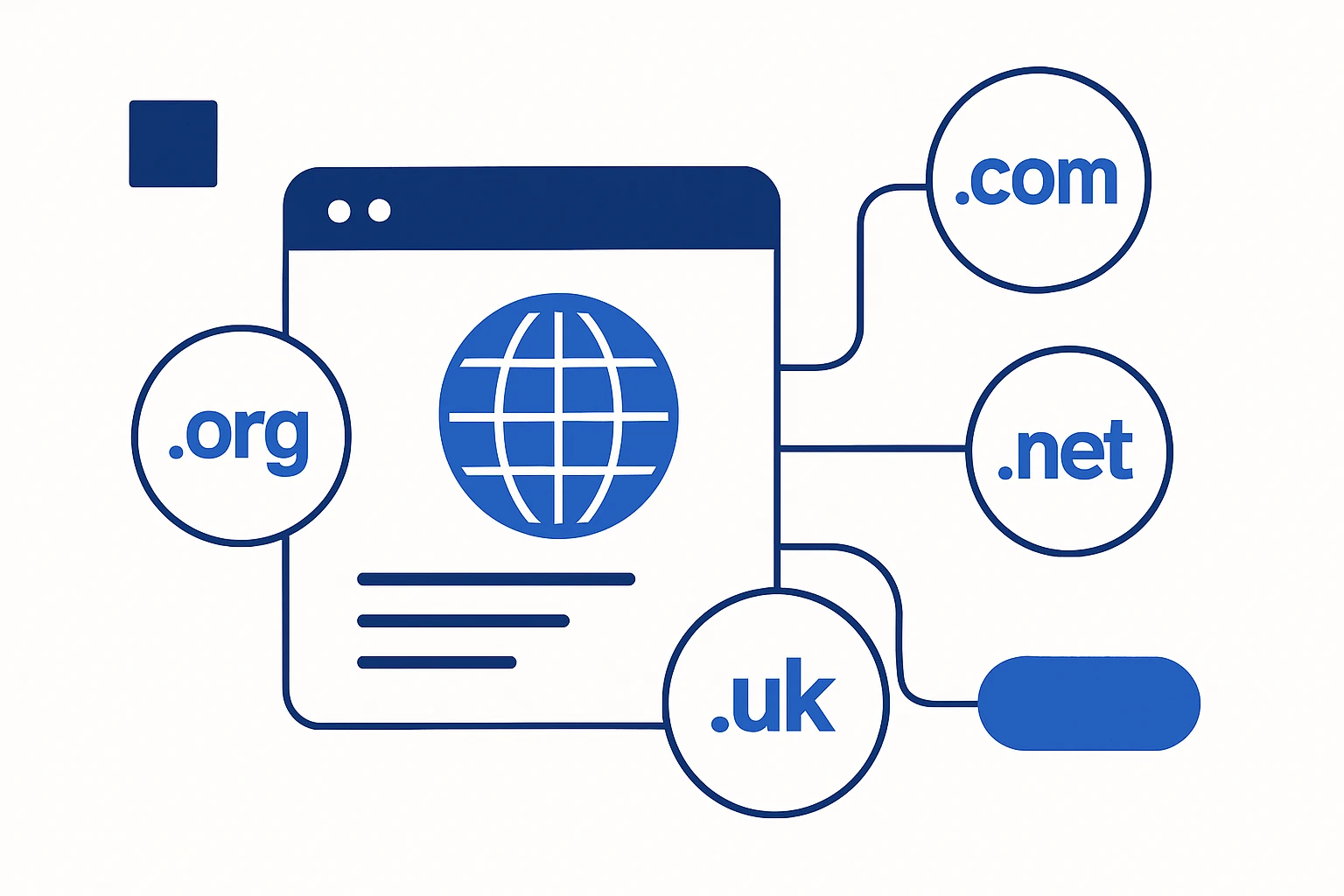
The Domain Name System (DNS) maps human-friendly names to IP addresses, enabling browsers to fetch content efficiently. The TLD - the suffix after the final dot in a domain name, such as .com, .org, or .uk - acts as a signal to users about the nature, origin, or intent of a site. This signal can influence trust, click-through rates, and perceived credibility, particularly when a local audience expects a country suffix or a brand-specific TLD. As a foundation of the internet’s addressing system, TLDs have become an essential component of a coherent branding and digital-strategy playbook. For a concise primer on the DNS and how domains translate to addresses, see Verisign’s overview of the DNS. (verisign.com)
The landscape in 2026: gTLDs, ccTLDs, and ngTLDs
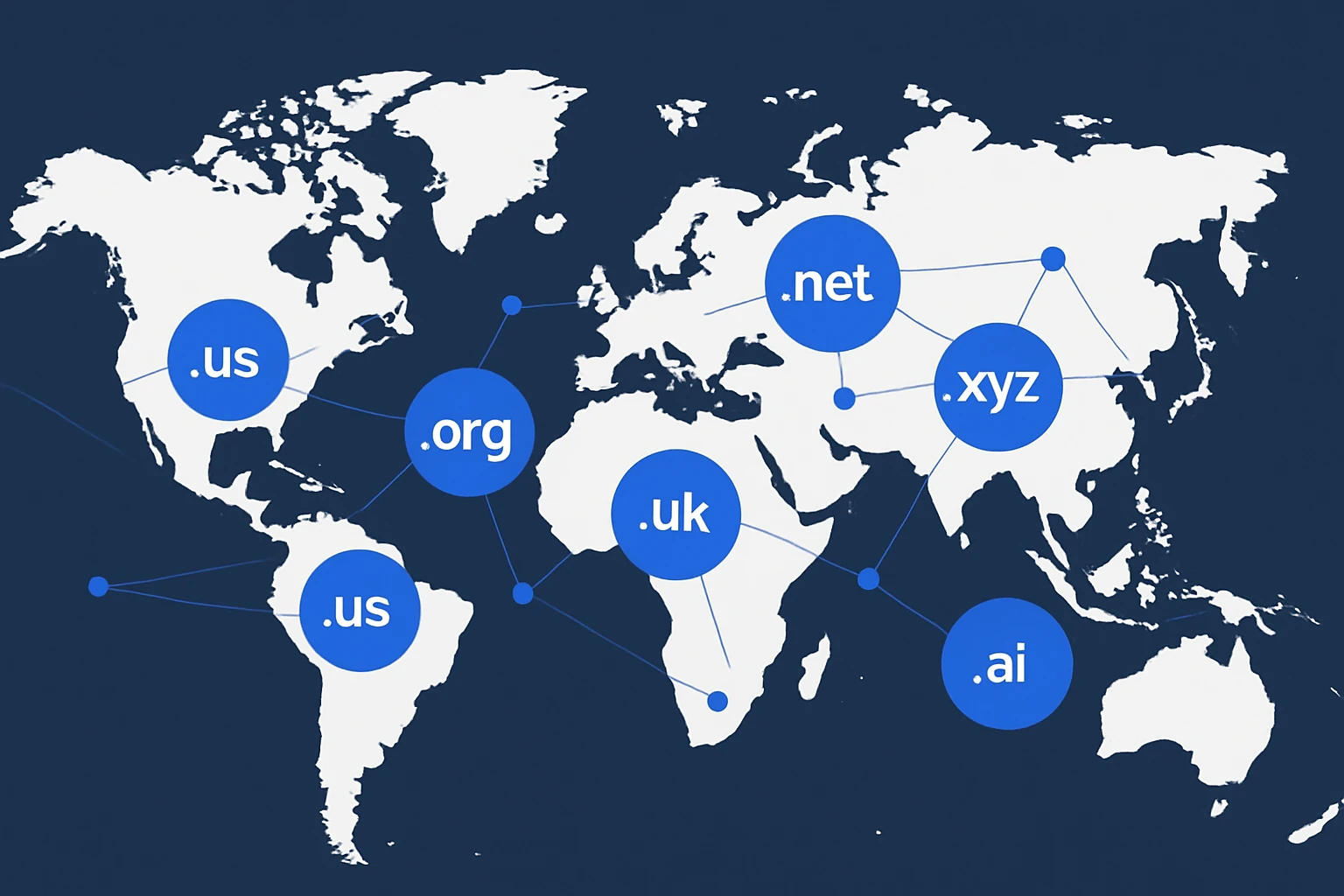
The TLD ecosystem can be broadly categorized into three groups, each with distinct use cases and implications for branding and reach:
- gTLDs (generic top-level domains) - open-ended extensions such as .com, .org, .net, and many new gTLDs intended for broad audiences or specific industries (for example .shop, .tech, .online). The continued expansion of the gTLD space is a deliberate policy of ICANN to broaden namespace options and innovation opportunities. ICANN’s ongoing New gTLD Program demonstrates that new gTLDs continue to be evaluated and implemented as part of a structured process. (newgtldprogram.icann.org)
- ccTLDs (country-code top-level domains) - country- or region-specific suffixes such as .de (Germany), .uk (United Kingdom), and .jp (Japan). These domains carry geographic relevance and often play a crucial role for local audiences and regulatory compliance. Industry data shows ccTLDs collectively contribute a substantial portion of registrations worldwide, the DNS ecosystem remains highly interwoven with country- and region-specific digital strategies. (vip.icann.org)
- ngTLDs (new gTLDs) - a broad and rapidly expanding class of TLDs introduced in recent years to signal industry, interest, or community - ranging from explicit categories (such as .design or .fitness) to brand-specific brand TLDs. Growth in ngTLDs has been notable, with year-over-year increases reported across several sources tracking new registrations and renewal activity. (namecheap.com)
In practice, many organizations deploy a portfolio approach - a primary TLD for core branding (often .com), complemented by a country-code suffix for regional audiences and a few ngTLDs to capture niche segments or protect brands in relevant spaces. The overall growth trajectory is reflected in the latest Domain Name Industry Brief (DNIB) data, which shows ongoing expansion across all TLD categories and a diversified mix of registrants. (blog.verisign.com)
How popular are TLDs in 2026? A snapshot of adoption and trends
Popularity among TLDs remains heavily led by the classic .com, which continues to dominate global registrations and website presence. Industry analyses place .com well ahead of other TLDs in terms of share, though the exact ranking can shift as ngTLDs mature and ccTLDs vary by region. For example, a widely cited data point from 2024–2025 notes .com accounted for around 44% of all websites worldwide, underscoring both enduring trust and the inertia of established brands. While exact shares evolve, the pattern persists: .com remains a baseline expectation for global reach, while local and specialty TLDs unlock targeted advantages. (statista.com)
Beyond .com, ngTLDs have shown sustained growth as organizations test branding opportunities beyond traditional extensions. In 2025, new registrations across ngTLDs contributed meaningfully to the total domain base, confirming that the namespace continues to diversify. This trend is captured in multiple industry reports and supported by official data from DNIB, which tracks quarterly domain-name registrations and highlights contributions from both traditional and newer TLDs. (blog.verisign.com)
A practical framework to choose the right TLD for your goals
Choosing a TLD is a strategic decision that should align with your audience, brand narrative, and operational realities. The following framework helps translate that strategy into a defensible, low-risk TLD portfolio. It is designed to be actionable for startups, SMBs, and larger brands alike.
Framework: four guiding criteria
- Audience geography and trust signals - If your audience is primarily local, a ccTLD can boost perceived relevance and trust. If you operate globally, a widely recognized gTLD (or a brand TLD for a corporate identity) may be preferable.
- Brand strategy and protection - Use a primary TLD for brand continuity, and consider add-on TLDs to protect brand names or product lines (e.g., a brand x brand.yourbrand or a related ngTLD). Brand TLDs are increasingly common for established companies seeking dedicated namespaces. (seroundtable.com)
- SEO and user experience considerations - Modern search engines treat TLDs more as signals of locale or intent rather than direct ranking factors. In practice, Google and industry experts emphasize that the TLD itself is not a guaranteed ranking lever, rather, content quality, language-targeting, and hreflang signals often drive international visibility. This facet is debated, but current guidance suggests prioritizing coherent site architecture and user intent over TLD choices for SEO impact. (searchenginejournal.com)
- Cost, renewal risk, and long-term viability - ngTLDs may carry premium pricing and variable renewal costs, while ccTLDs may bind you to a specific geography with regulatory implications. Market data shows a broad expansion in the namespace, but renewal economics vary by TLD, so planning for cost over multi-year horizons is prudent. (blog.verisign.com)
To operationalize this framework, consider the following practical steps:
- Begin with a tld database review to map available options against your geography, audience, and brand strategy. This initial sweep helps you anchor conversations with stakeholders and avoid impulsive choices.
- Draft a short portfolio map that pairs core branding with a ccTLD for your primary markets and a few ngTLDs to test audience resonance. Use a simple scoring rubric (trust, recall, geolocation, availability) to compare candidates.
- Run a pilot period with a single regional site and a paired ngTLD to measure metrics such as direct traffic, brand searches, and conversion signals before expanding the portfolio.
- Establish a renewal plan that budgets multi-year costs and flags any TLD with volatile pricing or policy changes.
For brands that want to explore specific examples, note that big tech has demonstrated how brand TLDs work in practice, including live instances like .google, .apple, and .microsoft. These can illustrate how a dedicated namespace supports distinct product lines and user journeys. While these brand TLDs are powerful signals, they should be deployed with purpose and governance rather than as a reflexive branding hack. (en.wikipedia.org)
A closer look at the practicality: why the portfolio approach pays off
Case studies and industry data point to a recurring pattern: organizations that thoughtfully deploy a small, targeted set of TLDs - anchored by a strong primary domain - tend to achieve better brand coherence, security posture, and user trust than those who chase every new extension. The 2025–2026 window reflects a maturing ngTLD ecosystem, with meaningful adoption in sectors like e-commerce, services, and regional business networks. dnib data highlights the ongoing contribution of ngTLDs to total registrations and confirms that diversification is no longer a fringe strategy but a mainstream approach. (blog.verisign.com)
From a security and trust perspective, some TLDs have gained reputational signals that can affect user perception. In security research and industry coverage, there have been spikes in phishing campaigns associated with certain TLDs, reminding practitioners to assess risk as part of governance and monitoring. This is a practical reason to maintain a controlled portfolio, implement phishing defenses, and educate stakeholders about brand integrity across extensions. (techradar.com)
Limitations and common mistakes to avoid
No framework is perfect, and domain strategy is no exception. Here are the most frequent missteps and how to avoid them:
- Overreliance on SEO signals - TLDs are not a magic SEO lever. John Mueller and other Google-focused analyses indicate that TLD keywords are not a ranking factor, and brands should focus on authoritative content, proper international targeting, and quality signals to drive visibility. Use TLDs for signaling intent or geography, not for gaming search rankings. (searchenginejournal.com)
- Neglecting user experience and local relevance - A ccTLD can be valuable for regional trust, but it often adds maintenance complexity. A single global site with well-structured hreflang and language targeting can sometimes be more efficient than dozens of regional domains. Consider your audience and site architecture when deciding how many regional variations to maintain. (stanventures.com)
- Underestimating renewal costs and policy changes - ngTLDs may incur higher renewal costs or policy shifts, affecting long-term budgeting. Build a cost forecast that spans several years and flags TLDs with volatile pricing or evolving governance. The DNIB data and market analyses underscore the importance of long-range cost planning. (blog.verisign.com)
Structured block: a compact framework you can reuse
Below is a concise framework you can apply to any prospective TLD decision. It’s designed to be revisited as you scale or pivot markets.
- Define goals - Brand protection, geographic targeting, and product signaling.
- Map options to audience - Which TLDs best align with your main markets and user expectations?
- Assess costs and governance - Renewal pricing, transfer policies, and registry stability.
- Pilot and measure - Test a narrow set of extensions before expanding.
Internal resources you can consult during this process include the core TLD overview page and a fine-grained list of country-specific domains. See the dedicated TLD overview and brand TLD examples for reference. tld database for broader namespace context, and Brand TLDs for real-world branding considerations.
Real-world examples and practical tips
Local businesses often benefit from regional suffixes, while ecommerce brands frequently deploy ngTLDs to distinguish product lines or shopping ecosystems. Consider a regional retailer that serves Germany - it may pair a local presence with a .de domain for local trust, while using a global .com for international marketing. A technology company might use .tech to signal industry relevance while maintaining .com for core branding. These patterns align with the broader market trajectory toward portfolio strategies that balance familiarity, locality, and differentiation. For deeper data on adoption and trends, refer to the latest industry reports and annual reviews from DNIB and ICANN. (blog.verisign.com)
Client integration: how this topic maps to HostingFlow and WebAtla data
To ground this guidance in practical, real-world options, you can consult Portfolio-friendly resources on HostingFlow and WebAtla’s domain data pages. The HostingFlow audience benefits from an integrated view of 1500+ domain extensions and lifetime insights into DNS and global domain data, which complements the World Domain Extensions Database concept. For hands-on exploration of specific TLD inventories and country-focused lists, use the following client resources as contextual anchors:
- tld database - comprehensive overview of the global TLD landscape.
- Brand TLDs - examples of brand-controlled namespaces and how they fit branding strategies.
- RDAP & WHOIS database - reliable source for registry data and domain data needs.
These internal resources are complementary to external market data and help teams balance editorial insight with practical, actionable steps for domain strategy and purchasing decisions.
Limitations of this guide
While the information highlights current market dynamics and practical decision-making steps, it is not a substitute for tailored legal or regulatory counsel. Domain registration terms, local regulatory requirements, and specific DNS configurations can vary by TLD and jurisdiction. Always verify the latest registry terms before purchase and consider engaging a domain-management professional for large portfolios. For a snapshot of the broader regulatory and market context, refer to ICANN’s 2025 annual reporting and Verisign’s DNIB analyses. (vip.icann.org)
Conclusion: approach TLD selection as a strategic, data-informed choice
The world of domain extensions has grown more diverse, yet the underlying principles of effective branding, audience targeting, and risk management remain constant. A thoughtful TLD strategy - rooted in audience signals, brand governance, and long-term cost planning - can amplify trust, safeguard brand equity, and unlock new channels for global reach. Use the tld database as your starting point, apply the four-criteria framework to evaluate options, and test with a focused portfolio before committing to broad adoption. As the space continues to evolve, the best practice is to stay aligned with audience needs and brand objectives rather than chasing every new extension. The data behind these patterns comes from authoritative industry reporting and policy, including the Domain Name Industry Brief and ICANN governance updates, which collectively illuminate how the namespace is evolving in 2026. (blog.verisign.com)