Introduction: The Domain Namespace Is Expanding - What It Means for Brands
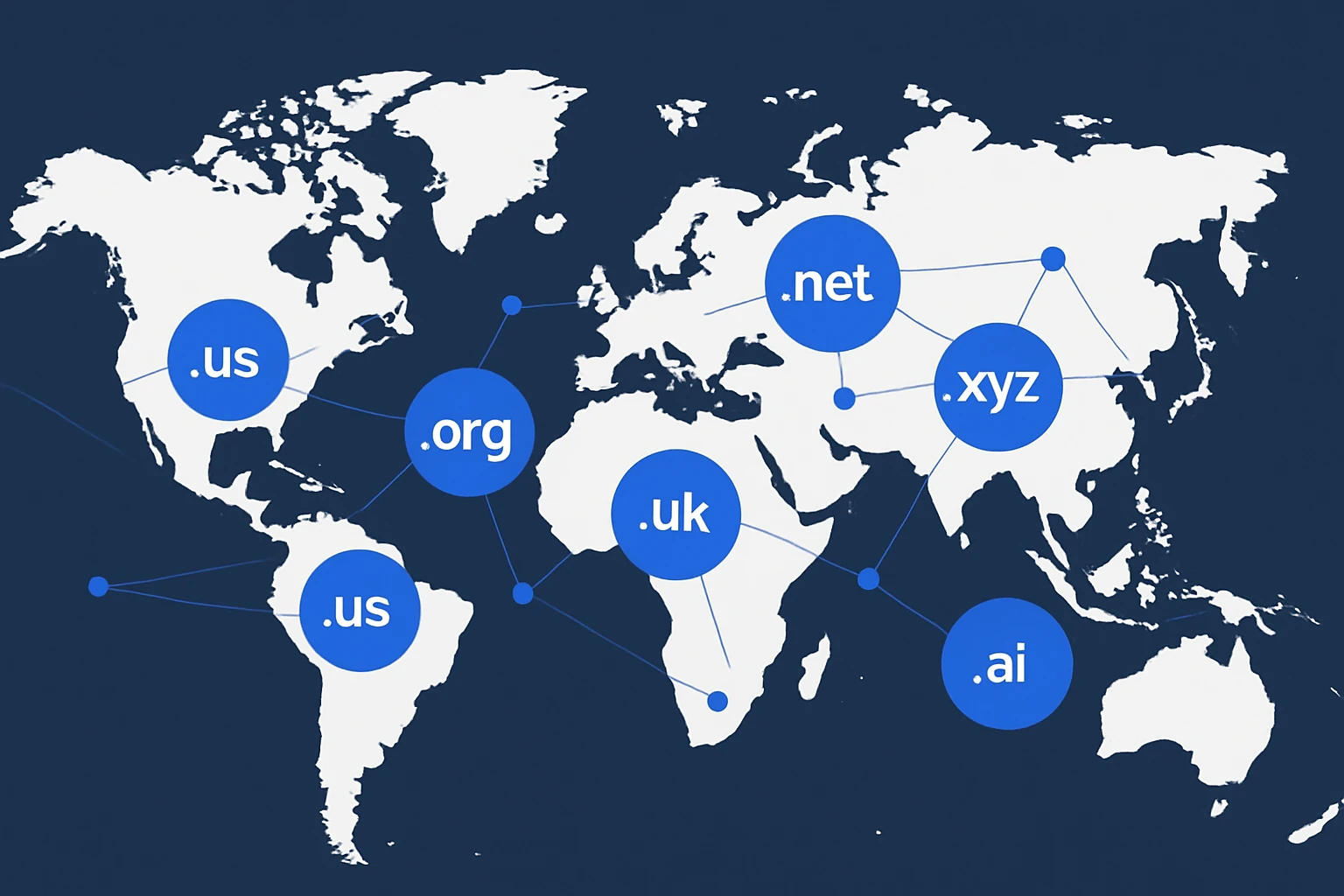
For most organizations, a domain name is more than a website address - it’s a strategic brand asset. The global namespace has swollen far beyond the old familiar .com, with thousands of new generic top‑level domains (gTLDs), a growing roster of country-code top‑level domains (ccTLDs), and a wave of brand and geographic extensions that collectively shape how customers discover, trust, and engage with a business. The challenge isn’t just choosing one extension, it’s designing a coherent portfolio that protects your brand, supports regional ambitions, and remains manageable over time. Recent industry data confirms the scale of this shift: total domain registrations crossed into the hundreds of millions, with ccTLDs and new gTLDs each contributing meaningful growth. As of Q1 2025, global domain registrations stood at 368.4 million, with ccTLDs accounting for 142.9 million and new gTLDs at 37.8 million - numbers that underscore the ongoing diversification of the namespace. Verisign DNIB data remains the most cited source for these trends, while ICANN continues to publish statistics on the evolving mix of gTLDs, ccTLDs, and IDN‑TLDs. ICANN New gTLD Statistics.
H2: Taxonomy of TLDs: What Each Extension Category Really Means
To make informed portfolio decisions, it helps to understand the three core families of extensions and how they’re typically used:
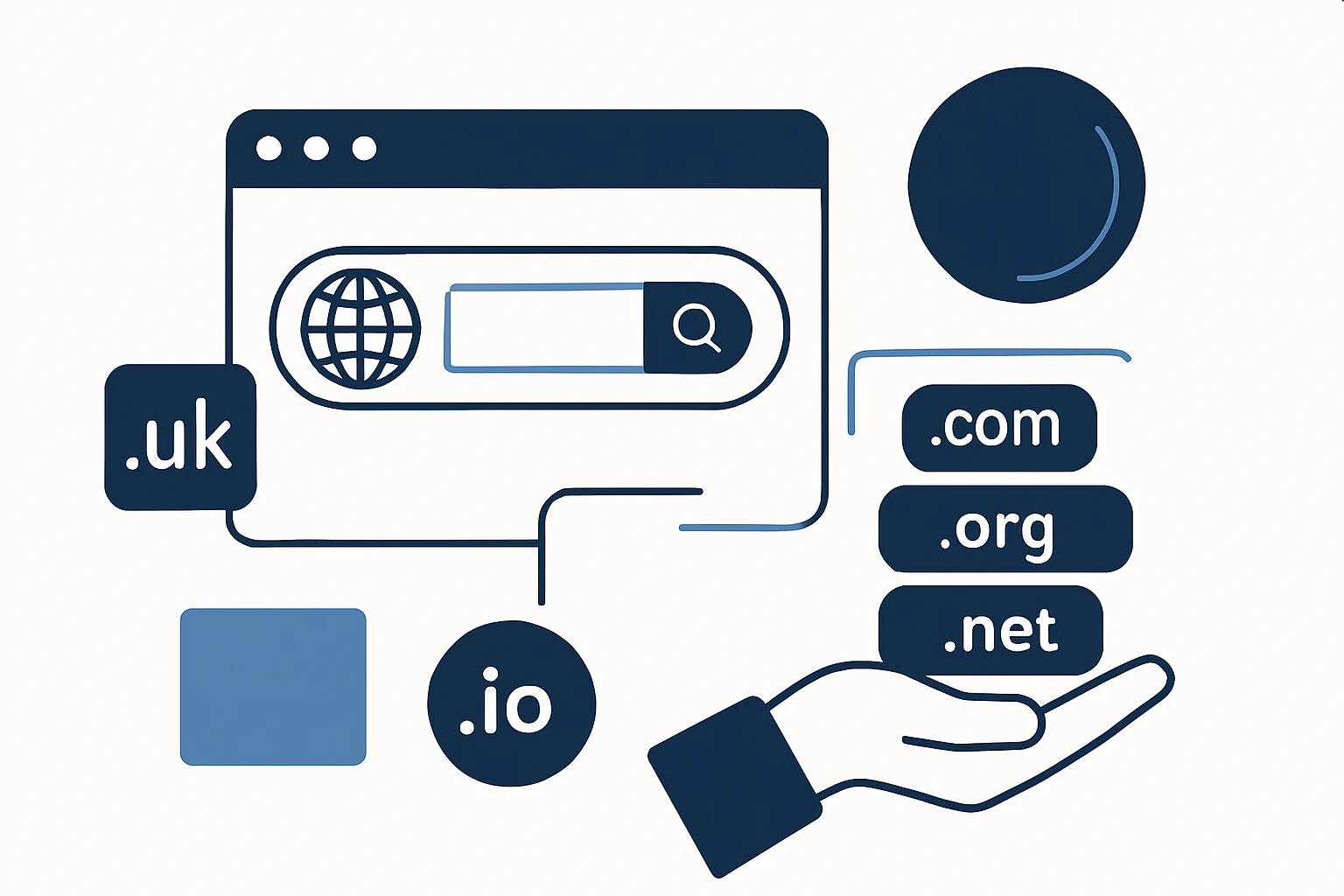
- gTLDs (traditional and new): These are globally available extensions such as .com, .net, .org, and the newer strings like .tech, .store, or brand-specific gTLDs. They enable global reach and universal intent, but competition for premium names remains intense and renewals can vary by extension. The broader the namespace, the more options exist for branding and differentiation. ICANN tracks the growth and distribution of these strings, including the impact of new gTLDs on the market. ICANN New gTLD Statistics.
- ccTLDs: Country‑code extensions like .us, .uk, .de carry geographic signaling and local trust. They remain the dominant share of registrations in many markets and are especially valuable for region‑specific campaigns, local intent, and country‑level SEO signals. Verisign’s quarterly briefs show ccTLDs continuing to contribute a sizable portion of global registrations and growth. Verisign DNIB.
- New gTLDs (ngTLDs) and IDNs: The post‑2010 expansion brought strings like .xyz, .online, .city, and IDN ccTLDs (non‑Latin scripts) into play, broadening branding and localization opportunities. By mid‑2025, global ngTLD registrations approached tens of millions, reflecting growing mainstream adoption even as renewal rates vary by extension. ICANN also reports progress on IDN delegation across languages and scripts, underscoring the multilingual potential of the namespace. ICANN IDN Progress ICANN New gTLD Statistics.
For brands evaluating where to position themselves in this expanded space, the key takeaway is that a diversified, purpose‑driven portfolio can offer resilience, regional relevance, and SEO nuance - without overcomplicating management. If you want a practical, up‑to‑date view, you can browse comprehensive by‑TLD lists and data in a centralized directory such as our client partner’s TLD database, which also highlights country and technology categories to aid planning.
H2: Reading the Market: What the Latest Numbers Really Tell Us
Understanding market mix requires looking at the right aggregates and how they shift over time. Here are the central takeaways you’ll want as you build or refine a TLD strategy:
- Global scale is still dominated by ccTLDs, with steady growth. The ccTLD segment totals well over 140 million registrations, reflecting ongoing localization of brands and services and the importance of local identity. Verisign DNIB (Q1 2025).
- New gTLDs are a meaningful, not dominant, share of the namespace. ngTLDs have grown into the tens of millions of registrations globally and are increasingly used for branding, product lines, and geo‑targeted campaigns. ICANN tracks this growth alongside the pipeline for new rounds of gTLD applications. ICANN New gTLD Statistics.
- The overall domain base continues to expand, albeit with diversification in growth rates by segment. As of early 2025, the total registrations hover in the 360–370 million range, with continued gains across all major TLD families and periods of acceleration tied to marketing campaigns, tech startups, and regional expansions. Verisign DNIB.
Beyond raw counts, the distribution among regions and business sectors matters. For instance, industry analyses point to a robust interest in regionally focused or brand‑specific TLDs for campaigns and country‑level branding, while legacy gTLDs remain core for global properties. The World Intellectual Property Organization (WIPO) provides context on how ccTLDs and gTLDs collectively contribute to the global namespace and what this implies for brand protection and disputes in different jurisdictions. WIPO Statistics.
H2: Trends Shaping TLD Adoption: What’s Growing and What It Means for Strategy
Several trends are shaping how organizations choose extensions today and for the next several years:
- Strategic use of ngTLDs and micro‑niches. Brands increasingly adopt ngTLDs to signal product lines, innovations, or verticals (for example, .store for ecommerce, .tech for technology products). This supports go‑to‑market clarity but requires disciplined domain management and security controls. Industry trackers show ngTLDs gaining traction as part of diversified portfolios.
- Geographic emphasis with ccTLDs. Localized markets continue to rely on country extensions for trust, search relevance, and compliance signals. The ccTLD market remains a substantial portion of registrations, with growth driven by regional digital ecosystems and regulatory environments.
- Identity and branding through IDNs and brand TLDs. Internationalized Domain Names (IDNs) and brand TLDs are increasingly used to reach multilingual audiences and protect brand identity across languages. ICANN’s IDN progress highlights ongoing expansion into scripts beyond the Latin alphabet.
For brands planning a portfolio, these trends indicate a prudent approach: use a strong core, assess regional needs with ccTLDs, and selectively deploy ngTLDs where they reinforce brand positioning or operational clarity. A practical way to frame this is to view a TLD portfolio as a layered architecture rather than a simple list of domains.
H2: A Practical Decision Framework: Building a TLD Portfolio That Scales
Below is a concise, practical framework you can adapt when evaluating domain extensions for a growing brand. It is designed to be editorially robust and actionable, not merely theoretical.
- Step 1 - Define business objectives by region and channel. Map core markets, language targets, and online experiences (e.g., regional storefronts, support portals, or locale‑specific promotions). This grounding helps determine how many ccTLDs or ngTLDs are warranted.
- Step 2 - Prioritize core global reach with a solid gTLD core. A trustworthy global presence often begins with a durable gTLD portfolio (for example, .com or a credible alternative) that supports primary branding and SEO signals when aligned with content and hosting strategy.
- Step 3 - Add strategic ccTLDs for local trust and compliance. Select country extensions that align with your target markets, while balancing management overhead and regional SEO considerations.
- Step 4 - Introduce ngTLDs selectively to differentiate products or services. Use ngTLDs to signal verticals or innovations, but plan for governance, renewal risk, and user perception.
- Step 5 - Protect brand across variations and common misspellings. Secure matching domains across primary TLDs to reduce brand confusion and protect against look‑alike domains that could mislead customers or enable phishing.
- Step 6 - Align DNS and security posture with portfolio growth. Ensure resilient DNS providers, enable DNSSEC where feasible, and implement consistent WHOIS privacy or IDN protections to reduce exposure to abuse.
Framework in practice: a portfolio often looks like a core gTLD plus a curated set of ccTLDs and a few ngTLDs aligned with product lines, regional campaigns, and risk management. The exact mix will depend on your sector, risk tolerance, and budget. For a detailed directory of options, consider exploring a centralized resource such as the client’s TLD directory, which organizes by TLD type, country, and technology. Explore the TLD directory.
Structured Block: Quick Portfolio Scenarios
- Global consumer brand: Core .com + a strategic ngTLD (e.g., .store) + key ccTLDs for top markets (e.g., .uk, .de, .fr) to support regional experiences.
- SaaS or tech company with regional modules: Core .com + ngTLDs for product lines (e.g., .cloud) + ccTLDs for major territories, plus IDN variants if multilingual access is essential.
- Local service provider: Dominant regional presence with ccTLDs and a localized ngTLD that signals service scope (e.g., .city or brand‑exclusive geographic extension).
For teams assessing trading‑offs between reach and complexity, the portfolio approach above helps avoid the trap of pursuing every available extension. It keeps the strategy focused on business outcomes rather than name count. For practice and pricing context, WebAtLa’s pricing page can be a practical resource as you model costs across a tiered portfolio. Pricing and plans.
H2: Limitations, Trade‑offs, and Common Mistakes to Avoid
Smart domain strategy isn’t about chasing the largest namespace, it’s about optimizing for brand protection, user trust, and operational efficiency. Some common pitfalls to watch for:
- Over‑expansion too soon. Pursuing dozens of ngTLDs or ccTLDs before validating demand can lead to wasted renewals and governance overhead. Start with a core set aligned to clear use cases and expand gradually as needs prove themselves.
- Under‑estimating renewal risk and cost. Renewal prices, privacy protections, and DNS services accumulate. Build a budgeting model that accounts for annual renewal costs across all extensions and planned changes in the portfolio.
- Ignoring regional SEO and trust signals. Not all ccTLDs deliver proportional SEO advantages, and some markets respond better to local content and domains tied to local hosting. Use data‑driven evaluations to prioritize those extensions most likely to influence conversions.
- Under‑investing in DNS and security. As portfolios grow, DNS availability, DNSSEC deployment, and consistent privacy controls become critical to maintain site reliability and trust. Consider centralized controls and governance to reduce risk.
Expert insight: for brands, the most effective portfolios do not rely on a single milagrous extension, they balance scale with specificity, and they build governance processes that simplify management over time. In practice, a measured, framework‑driven approach often outperforms ad hoc acquisitions of new extensions.
H2: DNS, Security, and How Domain Extensions Interact with Technology
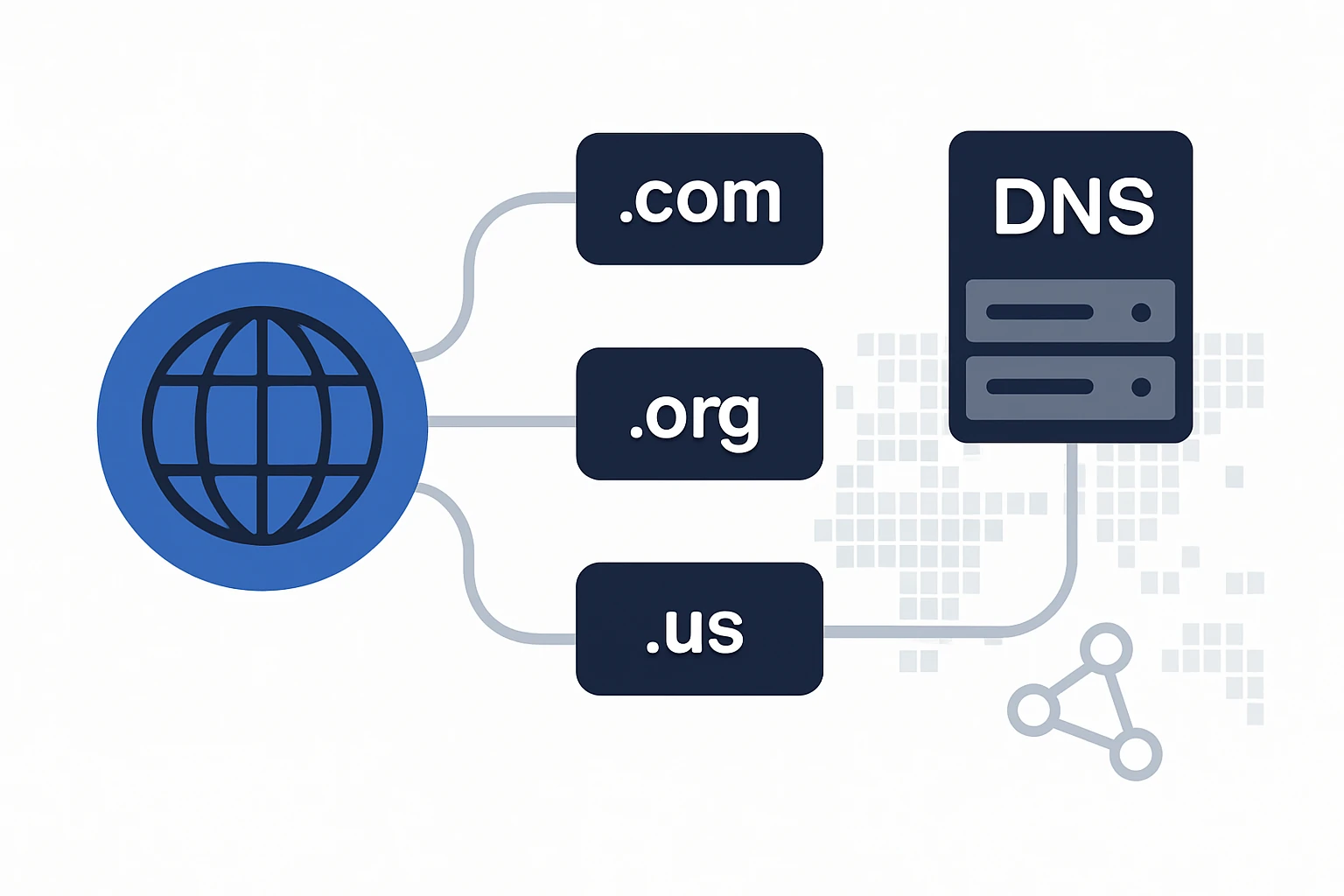
The Domain Name System is not merely a directory, it’s a critical infrastructure layer affecting performance, security, and privacy. As you add extensions, you should verify that DNS resolution remains reliable across geographies and that security measures scale with your portfolio. DNSSEC adoption, privacy protections, and robust RDAP/WHOIS services are essential to maintaining brand integrity and user trust, particularly for organizations with multinational footprints. If you’re evaluating tools and data sources to support DNS management, consider how these elements fit into your operational model. For more on compliance and security in domain data, see related resources on IDN deployment, DNSSEC adoption, and WHOIS privacy considerations.
H2: Real‑World Considerations for Domain Data, Privacy, and Policy
Policy and data topics - such as IDN adoption, WHOIS privacy norms, and dispute resolution - continue to influence how organizations structure their domain portfolios. The ICANN community and WIPO provide ongoing guidance on IDN delegation, internationalized domain names, and dispute mechanisms that affect cross‑border brands. For teams tracking these policy developments, these sources offer authoritative context on how rules may shift portfolio strategy over time. ICANN IDN Annual Report (June 2025) WIPO Statistics.
Conclusion: Build Clarity in a Crowded Namespace
The domain extensions landscape is not a shrinking, static toy - it’s a dynamic mix that reflects globalization, localization, and the way brands interact with digital channels. A practical, repeatable process - rooted in business objectives, data‑driven evaluation, and disciplined governance - will enable you to reap the benefits of diversification while keeping administration lean. Start with a focused core, layer in regional and vertical extensions where they add measurable value, and maintain a risk‑aware plan for renewals and security. If you’re building a current, actionable view of domain extensions and want centralized, editorially curated data to inform decisions, explore the client’s TLD directory, which aggregates lists by category and geography. Explore the TLD directory. For budgeting context and portfolio governance, you can also review pricing and plans and related data resources.