Introduction: Why domain extensions matter in a global, multilingual web
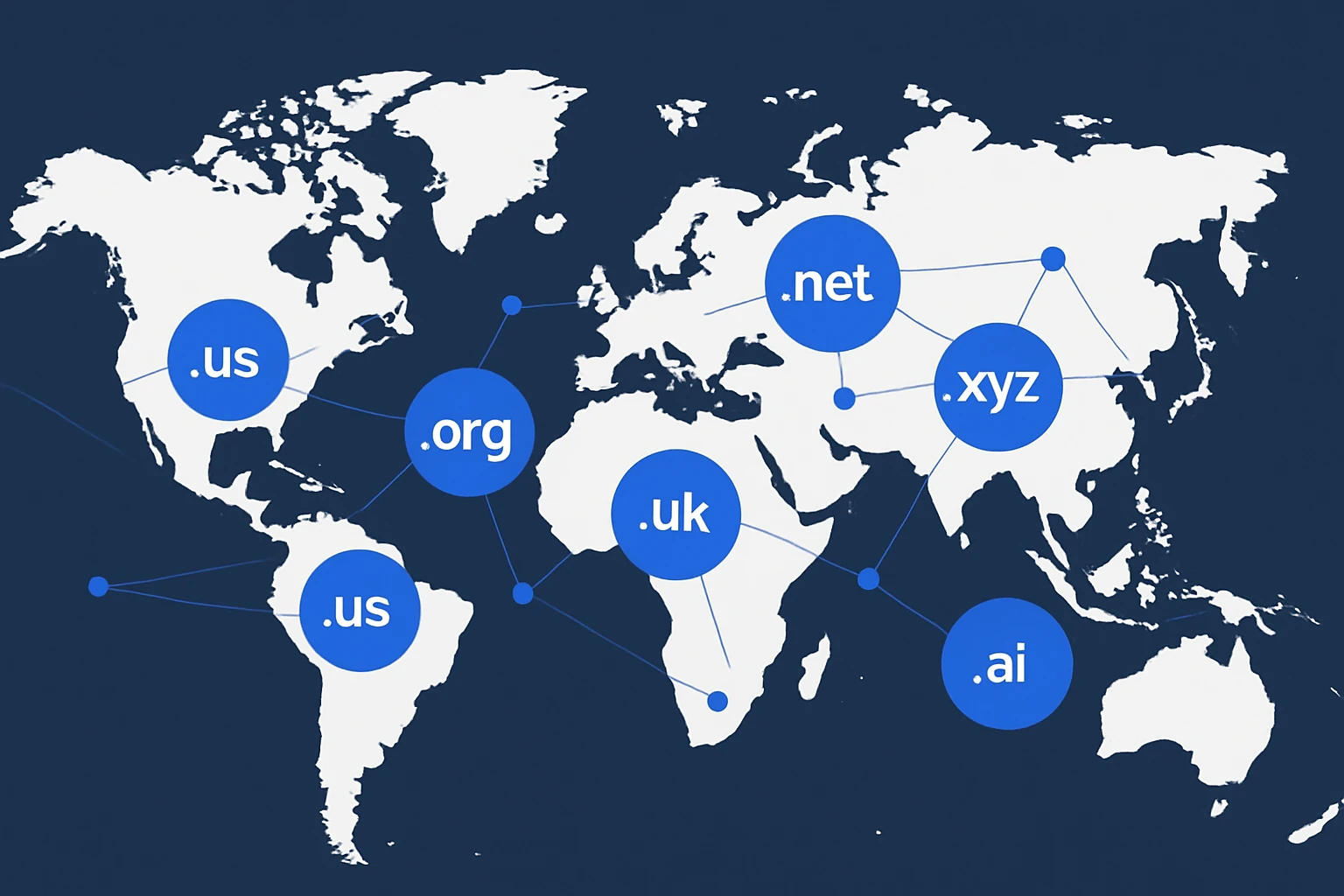
Choosing a domain extension is more than a cosmetic branding decision, it shapes how audiences perceive trust, where you’re perceived to operate, and how your presence is discovered online. In a landscape with thousands of top‑level domains (TLDs) spanning generic, country code, and recently created options, a deliberate strategy for domain extensions can unlock geographic reach, programmatic branding, and even technical resilience. The authoritative record of these extensions sits in the Domain Name System (DNS) root, maintained by IANA and registry operators, and is continually updated as new TLDs enter and others retire. As of February 2023, the DNS root contained roughly 1,481 TLDs, reflecting both evolution and consolidation in the space. APNIC notes this dynamic context, while IANA’s Root Zone Database remains the canonical source for delegation data. In short, if you’re serious about global domain strategy, you must treat domain extensions as a live data set. (blog.apnic.net)
Understanding the taxonomy: gtld, cctld, and new gTLDs
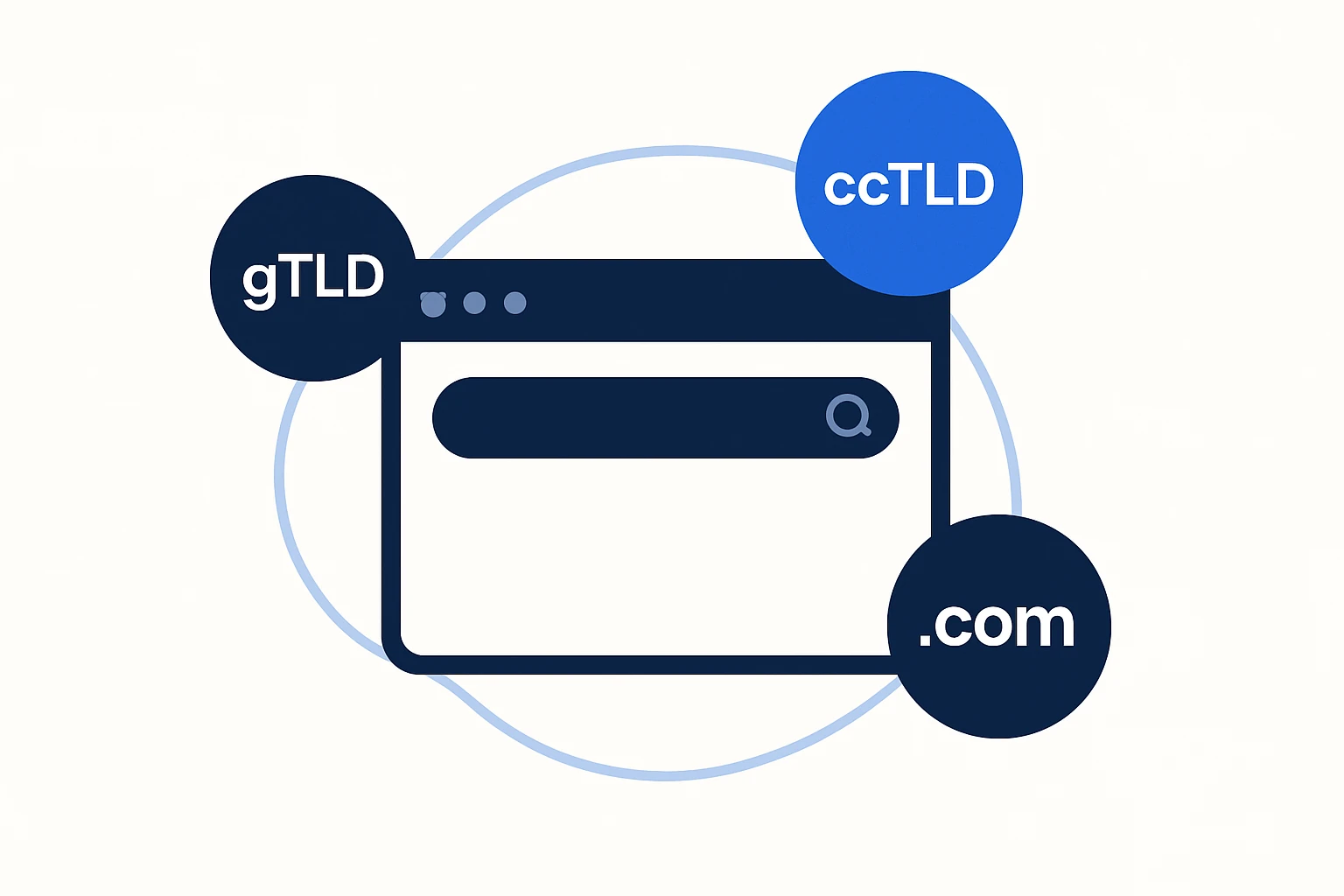
Top-level domains fall broadly into three categories, each with distinct implications for branding, geography, and governance:
- Generic Top-Level Domains (gTLDs): Extensions intended for broad, global use such as .com, .org, and others that do not tie to a specific country. These are the baseline for multinational brands and general audiences. The process and examples are documented in ICANN materials and the New gTLD program overview. ICANN’s New gTLD FAQ and related resources explain how gTLDs are applied and used. (newgtldprogram.icann.org)
- Country Code Top-Level Domains (ccTLDs): Two-letter codes tied to ISO country codes (e.g., .uk for the United Kingdom, .de for Germany). ccTLDs are often managed by national registries and can be leveraged for geo-targeting, localization, and country-specific branding. ICANN and IANA provide the definitional framework and the live root zone listing that designates these as country-code domains. Google's international guidance further clarifies how ccTLDs interact with global search behavior. Google Search Central on geotargeting. (itp.cdn.icann.org)
- New gTLDs: Since the program to expand gTLDs began in the 2010s, hundreds of new extensions like .shop, .nyc, and city-based or brand-affiliated TLDs have entered the root zone. These expand branding and localization options but require careful consideration of strategy, availability, and governance. ICANN’s explanations and examples provide a sense of how these new titles are applied in practice. What are some examples of gTLDs and how they are used? (newgtldprogram.icann.org)
The Registering and managing of these TLDs is a structured process governed by registry agreements and root zone management. IANA’s Root Zone Database is the canonical listing of all active TLDs and their operators, and ICANN reports alongside regulatory metrics for registries. These sources are the backbone of any strategy that aims to understand the full landscape of domain extensions. IANA Root Zone Database and ICANN Registries Metrics. (iana.org)
The DNS backbone: how domain extensions fit into the global name system
At a technical level, the Domain Name System (DNS) translates human-friendly names into machine addresses. The DNS root sits at the top of the hierarchy, with individual TLD registries responsible for delegating subdomains under their suffixes. This architecture is central to how users reach websites and how browsers locate resources securely. Verisign explains the DNS as the resolving mechanism that underpins all of this infrastructure, including how DNS resolution works in practice and why DNS security matters. What Is the DNS?. (verisign.com)
Beyond the basics, security and resilience are critical. DNSSEC and related protections help ensure that the resolution path isn’t tampered with in transit, reinforcing trust in the extension you choose. Verisign and other DNS security leaders outline these protections and ongoing community work to improve the ecosystem. DNSSEC and DNS security. (verisign.com)
Why the choice of TLD matters for global reach, branding, and SEO
Brand perception and search visibility are affected by the TLD choice, but the relationship is nuanced. Global brands often default to .com for broad recognition, but ccTLDs can improve perceived relevance in specific markets and, in some cases, influence search results for localized intents. Google’s guidance on multi-regional sites clarifies how Google handles gTLDs versus ccTLDs and how regional consistency affects indexing and ranking. This is not a guarantee of success with a single tweak, it’s a strategy decision that should be aligned with content, localization, and user intent. Google Search Central: Managing multi-regional sites. (developers.google.com)
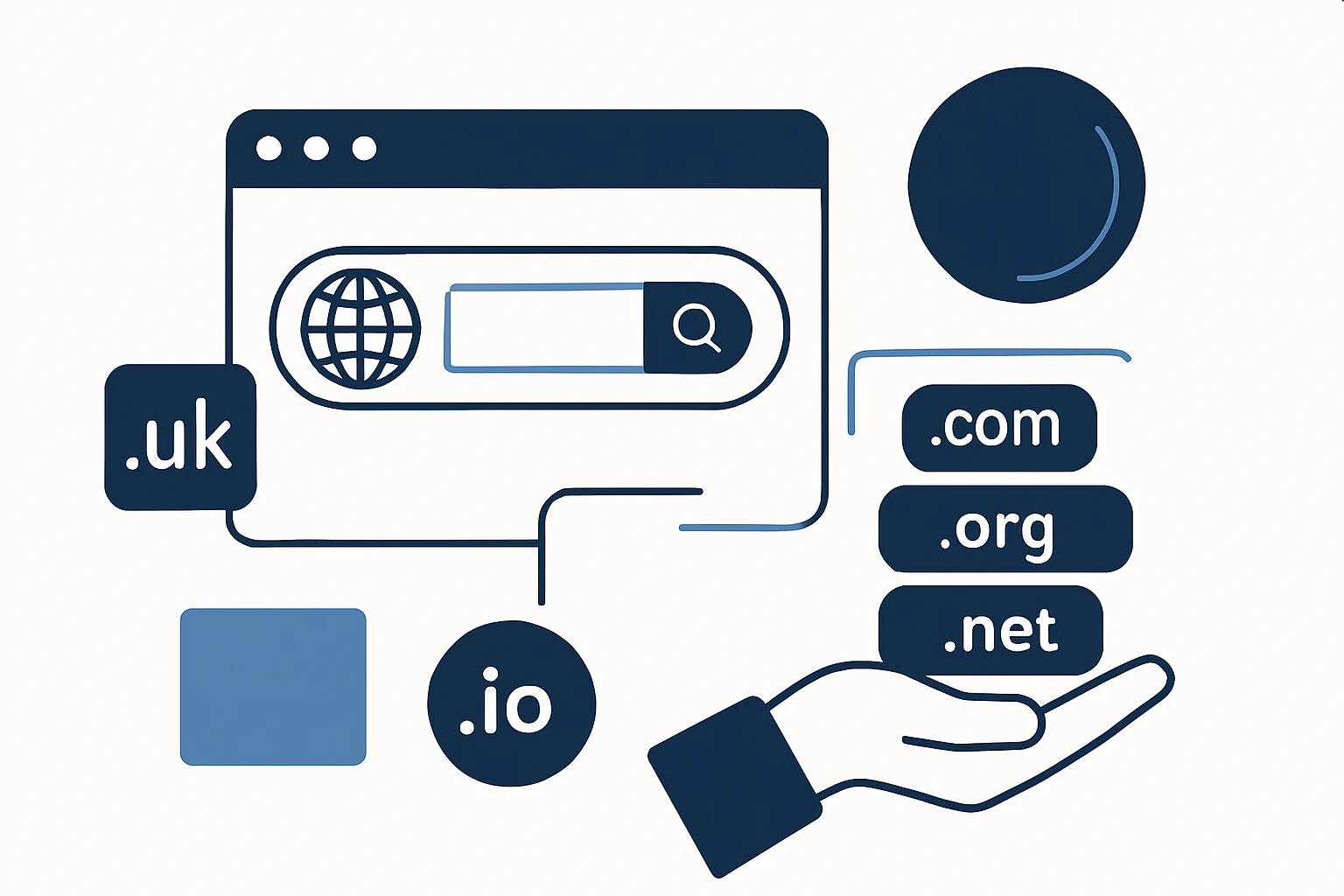
Practical execution often involves mixing extensions: a global storefront might use a primary .com while leveraging ccTLDs for regional campaigns or dedicated country sites, in combination with new gTLDs for branding experiments or product lines. The DNS and registry ecosystems publicly document which TLDs exist and how they’re used, this transparency is essential for planning. ICANN: New gTLD program overview. (icann.org)
How to build a robust TLD database for decision-making
A practical workflow starts with pulling the authoritative root data and then augmenting with governance, geography, and product-specific signals. The central data source is the IANA Root Zone Database, which lists active TLDs and their operators. This is complemented by ICANN’s registry metrics and, for technical context, Verisign’s DNS materials and security guidance. A disciplined approach combines these primary sources with ongoing monitoring to capture changes in real time. IANA Root Zone Database, ICANN Registries Metrics. (iana.org)
From a practical perspective, consider arranging your data in a simple, update-friendly schema: tld, type (gTLD, ccTLD, new gTLD), country/region, registry, primary use cases, and note on SEO implications. This enables quick decision-making when planning a campaign or a corporate rebranding exercise. For live data and examples, you can explore the client’s TLD information hub: WebAtla’s TLD information hub, and the broader TLD directory at WebAtla’s list of domains by TLDs. (iana.org)
A practical framework: choose the right extension with a 5-step decision process
Use this lightweight framework to guide TLD decisions across campaigns, regions, and products. Each step is designed to be filled with data from the authoritative sources above and aligned with business goals.
- Step 1 - Brand alignment: Does the extension reinforce your brand promise or product family? For broad brands, .com often remains the default, for product lines, new gTLDs like .shop or brand-specific TLDs can reinforce identity. See examples of how gTLDs are used in practice. (newgtldprogram.icann.org)
- Step 2 - Geographic strategy: Which markets are strategic, and what role should ccTLDs play in those markets? Google’s geotargeting guidance helps determine when a ccTLD signals locality versus using a generic extension. (developers.google.com)
- Step 3 - Availability and cost: Availability varies by extension, and some domains may be more expensive or harder to renew. Validate availability through a registrar and consider long‑term cost of ownership. The pricing page on the client site offers a model of how pricing differences can factor into decisions. WebAtla Pricing. (newgtldprogram.icann.org)
- Step 4 - DNS and technical considerations: Ensure your DNS infrastructure and SSL/TLS strategy align with the chosen extensions, understand how DNS security enhances trust. Verisign’s DNS overview and DNSSEC materials are a good starting point. (verisign.com)
- Step 5 - Governance and risk: Regulatory and registry governance differ across TLDs, use IANA and ICANN data to assess registry reliability and policy risk. The Root Zone Database and ICANN registry metrics provide a governance lens. (iana.org)
Structured as a quick check, this five-step framework helps teams move from ad‑hoc domain choices to a deliberate, data‑driven approach. For readers who want a compact reference, consider the following distilled questions: Is this extension globally legible or regionally targeted? Can we attain predictable renewals and support? Does the extension support our user experience and SEO goals? The answers should be grounded in root-zone data and governance insights rather than marketing narratives. ICANN provides deeper context on the expansion of the gTLD ecosystem to support these decisions. (icann.org)
Limitations and common mistakes in domain-extension decisions
Even with a robust data backbone, there are several pitfalls to avoid when selecting TLDs. Here are the most common ones observed in global campaigns:
- Overindexing on novelty: Adopting a flashy new gTLD without a clear brand or user experience justification can dilute credibility and confuse users. Use new gTLDs strategically, with a defined use case and measurable impact.
- Assuming ccTLDs automatically boost local SEO: Geo-targeting in search is influenced by many signals beyond the TLD. Google’s guidance emphasizes that ccTLDs are one signal among many, and the decision should be grounded in user intent and content localization. (developers.google.com)
- Fragmented user experience: If regional sites under different TLDs diverge in branding, content quality, or policy, users may distrust the brand. A coherent site architecture with consistent messaging helps, even when ccTLDs are used for targeting. Google’s guidance on managing multi-regional sites can help here. (developers.google.com)
- Insufficient governance checks: Relying on a TLD without understanding the registry’s policies, renewal terms, or dispute resolution options can create long‑term risk. Always consult IANA root data and registry metrics as part of risk assessment. (iana.org)
A practical, editorially balanced conclusion
Domain extensions sit at the intersection of branding, geography, and technical reliability. The right mix depends on your audience, your product strategy, and your operational capabilities. The core takeaway is to view TLDs as a live data set rather than a one-time branding decision. Rely on IANA’s Root Zone Database and ICANN’s registry guidance to map the landscape, and couple that data with a clear strategy for how each extension will be used in content, navigation, and user experience. For ongoing access to a curated, current directory of domain extensions, consider using WebAtla’s TLD information hub as a practical reference point for teams building global digital properties. WebAtla TLD info. (iana.org)
Structured quick-reference block (framework in practice)
- Framework summary: A 5-step decision process (Brand alignment, Geographic strategy, Availability and cost, DNS/technical readiness, Governance and risk) plus live root-zone data to ensure decisions reflect current reality.
- Decision prompts: Use the framework to assess each candidate extension against business goals and user expectations, document the rationale for reuse or retirement of extensions over time.
- Operational guidance: Maintain a small set of core extensions for evergreen assets (e.g., a global .com strategy) and a separate, auditable set for regional campaigns or product lines (e.g., country-code TLDs or targeted new gTLDs).
Additional considerations and where to start
For organizations that need a current, authoritative catalog of extensions and a clear view of what's available today, a reliable starting point is to consult the IANA Root Zone Database for the official list of active TLDs and their operators. For governance context, ICANN’s registry metrics provide insights into the health and distribution of registries. Finally, DNS best practices and security controls, including DNSSEC, are essential as you scale across multiple TLDs. IANA Root Zone Database, ICANN Registries Metrics, Verisign DNS Infrastructure. (iana.org)
References and further reading
- ICANN: What are some examples of gTLDs and how they are used
- IANA Root Zone Database
- Google Search Central: Managing multi-regional sites
Note: The client’s own domain‑data resources provide an up‑to‑date, practical reference for readers seeking current listings by TLD and domain counts. Explore their TLD info hub at WebAtla and the broader TLD directory at WebAtla TLD directory for concrete, live examples. (iana.org)